New Testament
1 Corinthians 14:29
Read the Bible in clear, modern English—easy to understand, faithful to the meaning, and written for everyday readers.
Let 2 or 3 prophets speak, and let the others carefully evaluate what is said.
Compare translations
Let the prophets speak two or three, and let the other judge.
What 1 Corinthians 14:29 means
Plain-English insight for readers
In this passage, Paul is guiding the community on how to handle prophetic messages. He suggests that when prophets speak, only two or three should share their insights at a time. This allows for clarity and prevents chaos. After they speak, others in the community should listen carefully and evaluate what has been said. This evaluation is crucial because it ensures that the messages align with truth and are beneficial for everyone. The goal is to foster understanding and growth within the community. By encouraging thoughtful discussion and discernment, the community can strengthen their faith and support one another. This approach emphasizes the importance of accountability and wisdom in spiritual matters, ensuring that everyone is on the same page and moving forward together. It’s a reminder that communication in faith should be respectful and constructive, allowing for diverse voices while maintaining unity and purpose. Ultimately, this practice helps build a stronger, more informed community.
How to apply 1 Corinthians 14:29 to your life
In your own life, consider how you can create space for open dialogue about important topics. Encourage others to share their thoughts and evaluate them together. This practice can lead to deeper understanding and stronger relationships, whether in faith or everyday discussions. Remember, listening is just as important as speaking. Stay open-minded and respectful in conversations with others, fostering a supportive environment.
Curated for this public verse page. 1 Corinthians Summary
Explore more of the Bible
Learn the Bible through its people and places
Get to know the people in Scripture through illustrated stories, and explore the places where they lived and traveled.
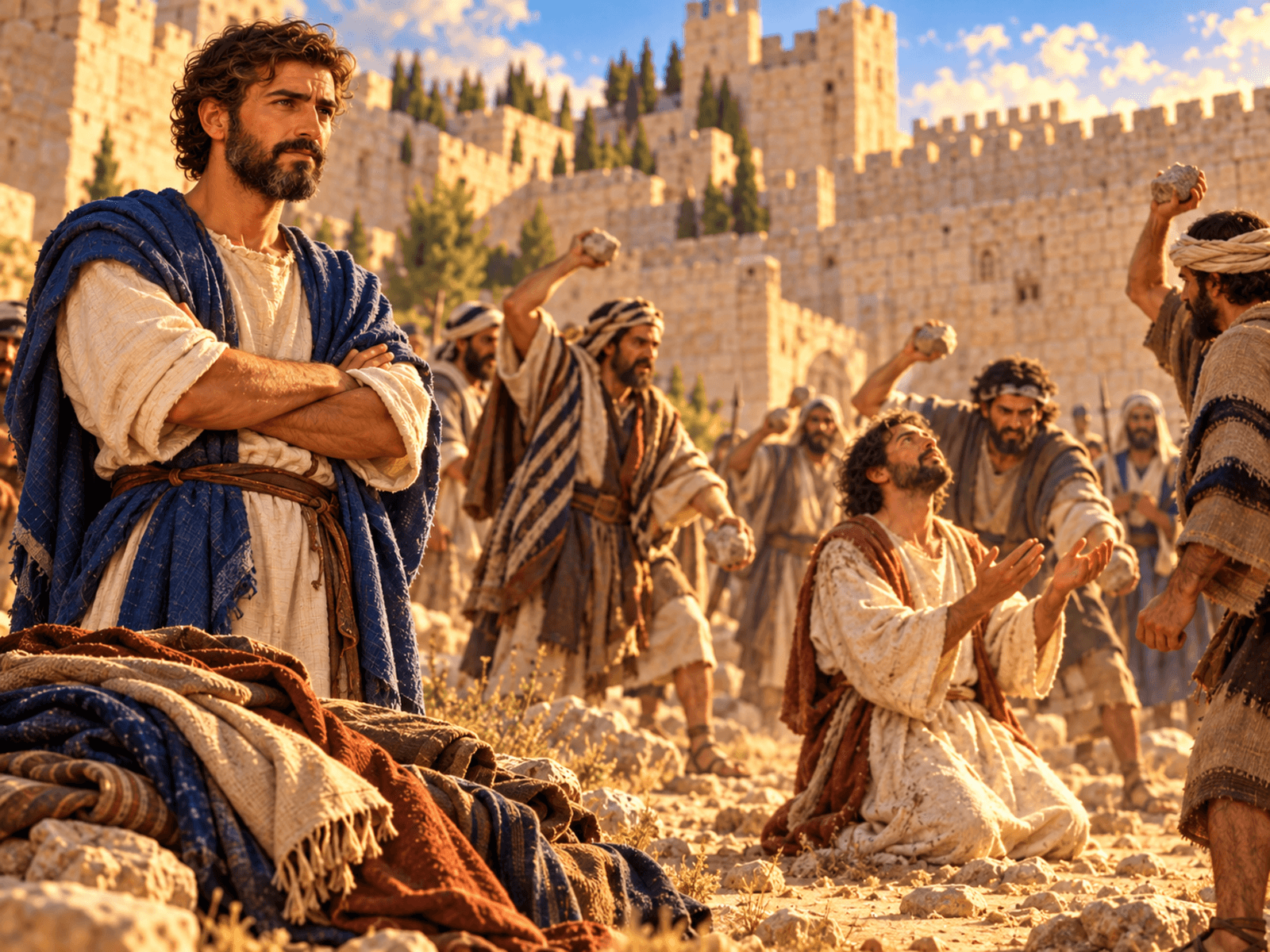
Illustrated scene from Paul's story: The Stoning of Stephen (Acts 7:57–8:2)
Meet the people of the Bible
Follow their lives in order, with illustrated scenes and Bible passages that tell their stories.
 Paul

Photo: Gary Todd (Gary Lee Todd, Ph.D.), via Wikimedia Commons. License: CC0 1.0 Universal Public Domain Dedication. Source. Location: Southern end of the Temple Mount, Jerusalem Old City. Resized for the web.
Explore the places of the Bible
See where biblical events happened, why each place matters, and what archaeology helps us understand.
Jerusalem
David's capital, the city of the temple, and the place where Jesus died and rose again.
Get full access with one subscription
Explore the people and places of the Bible. Read summaries of every book, with images and clear explanations covering every chapter. Access all these features and our Bible study tools with one subscription.
See PlansAsk AI about 1 Corinthians 14:29
Ask a question about this verse and get a clear answer, with Bible references you can read for yourself.
Every Bible book, explained chapter by chapter
Explore summaries of every book of the Bible, with images and easy-to-understand explanations covering every chapter.
Keep studying 1 Corinthians 14:29
Related Bible verses
Related topics
At a Glance — the Book of 1 Corinthians
- Author
- Paul the apostle
- Written
- Around AD 55
- Genre
- Letter (epistle)
- Original Audience
- The church in Corinth
Frequently Asked Questions
Quick, clear answers about this verse
What does 1 Corinthians 14:29 teach about prophecy?
1 Corinthians 14:29 emphasizes the importance of order and discernment in the practice of prophecy within the church. It instructs that only two or three prophets should speak at a time, allowing the community to listen and evaluate their messages. This process ensures that prophetic insights are carefully considered and aligned with biblical truth, fostering a healthy environment for spiritual growth and accountability.
How can we evaluate prophetic messages according to this verse?
Evaluating prophetic messages involves listening attentively to what is said and assessing it against Scripture and the teachings of the faith community. This means considering the content, context, and impact of the messages. Engaging in open discussions with others can also help clarify understanding and ensure that the messages are beneficial and truthful, promoting unity and growth within the community.
Why is accountability important in the context of prophecy?
Accountability in prophecy is crucial because it helps maintain the integrity of the messages shared within the community. By evaluating what is spoken, the church can discern false teachings and ensure that all prophetic insights align with God's truth. This practice fosters a culture of respect and wisdom, allowing believers to support one another in their spiritual journeys and avoid confusion or chaos.
What role does community play in interpreting prophetic messages?
Community plays a vital role in interpreting prophetic messages as it provides a collective space for discussion, discernment, and support. When individuals come together to evaluate prophecies, they can share diverse perspectives and insights, leading to a deeper understanding of the messages. This collaborative approach helps ensure that interpretations are grounded in truth and that the community moves forward in unity and purpose.
Daily Verse — straight to your inbox
A verse and a 2-sentence plain-English explanation, every morning. Free. Unsubscribe anytime.