New Testament
2 Thessalonians 3:10
Read the Bible in clear, modern English—easy to understand, faithful to the meaning, and written for everyday readers.
Even when we were with you, we gave you this rule: "If someone refuses to work, don't let them eat."
Compare translations
For even when we were with you, this we commanded you, that if any would not work, neither should he eat.
What 2 Thessalonians 3:10 means
Plain-English insight for readers
In this passage, the author emphasizes the importance of hard work and personal responsibility. He reminds the community that when he was with them, he established a clear guideline: those who choose not to work should not expect to receive food. This principle serves as a reminder that everyone has a role to play in contributing to the community. It encourages individuals to take ownership of their actions and to understand that effort is necessary for sustenance. The message is straightforward: if you want to eat, you need to work. This isn't just about physical labor; it's about being active participants in life and society. By fostering a strong work ethic, we not only support ourselves but also contribute to the well-being of those around us. This teaching is a call to action, urging us to engage in meaningful work and to support one another in our efforts. It highlights the value of diligence and the consequences of laziness, reminding us that our choices have real impacts.
How to apply 2 Thessalonians 3:10 to your life
Consider how you contribute to your community and your responsibilities. Are there areas where you can step up and work harder? Remember, your efforts not only benefit you but also those around you. Embrace the value of hard work in your daily life and encourage others to do the same. Together, we can build a stronger community through our actions and dedication to work.
Curated for this public verse page. 2 Thessalonians Summary
Explore more of the Bible
Learn the Bible through its people and places
Get to know the people in Scripture through illustrated stories, and explore the places where they lived and traveled.
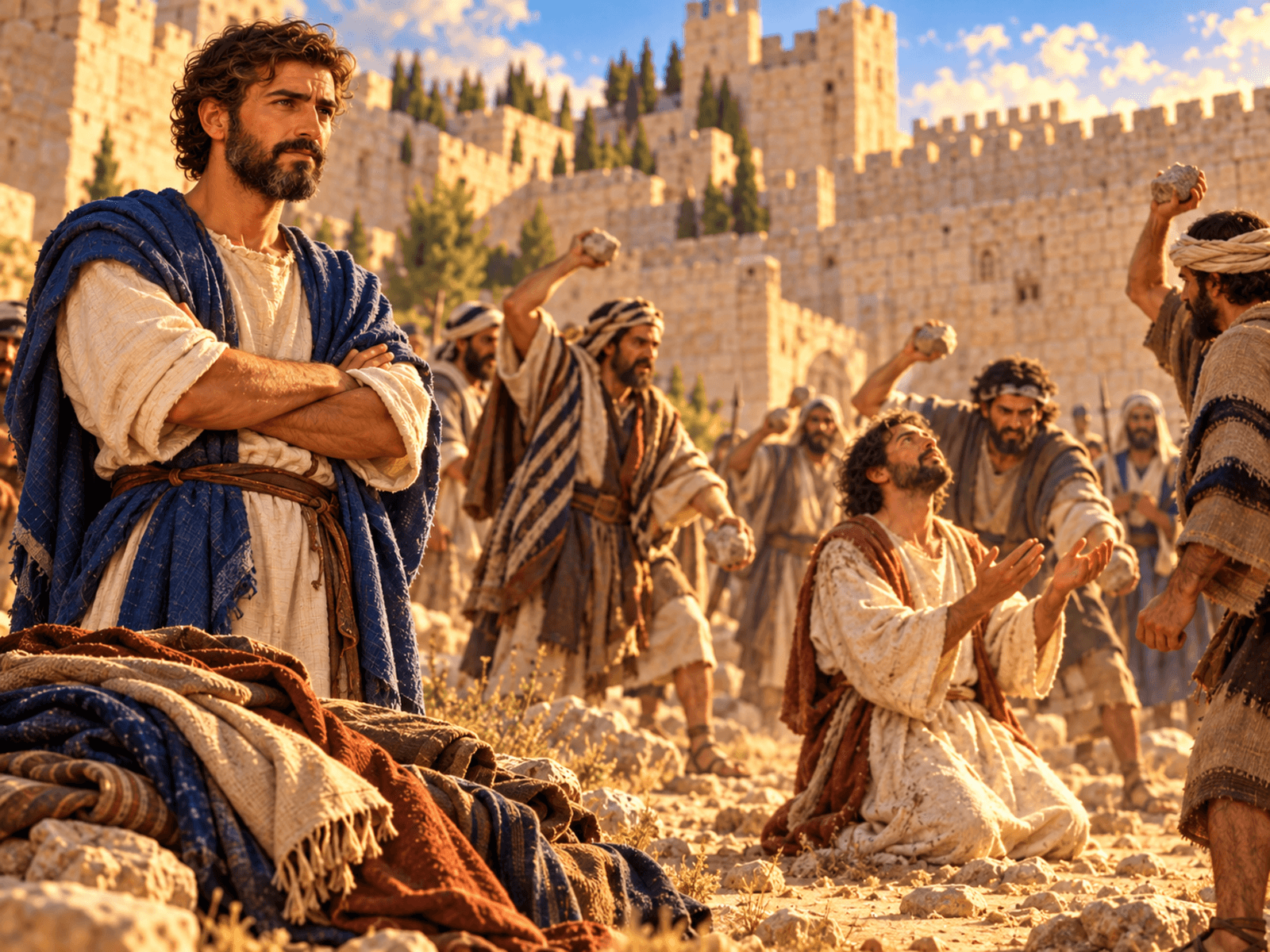
Illustrated scene from Paul's story: The Stoning of Stephen (Acts 7:57–8:2)
Meet the people of the Bible
Follow their lives in order, with illustrated scenes and Bible passages that tell their stories.
 Paul
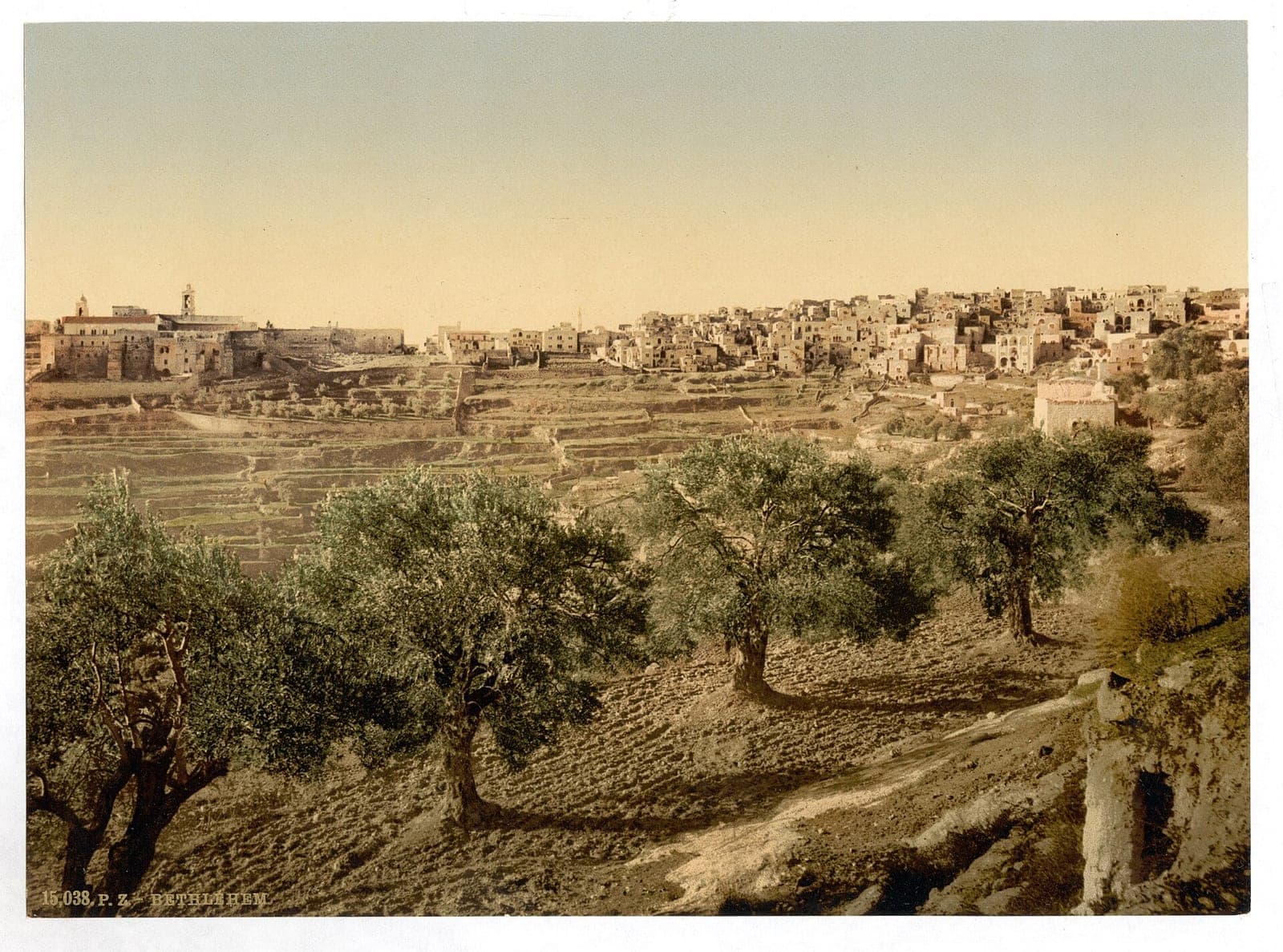
Photo: Photochrom print, Library of Congress Prints and Photographs Division (LCCN 2002724966). License: Public domain in the United States; Library of Congress states no known restrictions on publication. Source. Location: Bethlehem, West Bank; print preserved by the Library of Congress. Resized for the web.
Explore the places of the Bible
See where biblical events happened, why each place matters, and what archaeology helps us understand.
Bethlehem
David's hometown, and the town where Jesus was born.
Get full access with one subscription
Explore the people and places of the Bible. Read summaries of every book, with images and clear explanations covering every chapter. Access all these features and our Bible study tools with one subscription.
See PlansAsk AI about 2 Thessalonians 3:10
Ask a question about this verse and get a clear answer, with Bible references you can read for yourself.
Every Bible book, explained chapter by chapter
Explore summaries of every book of the Bible, with images and easy-to-understand explanations covering every chapter.
Keep studying 2 Thessalonians 3:10
Related Bible verses
Key themes
Related topics
At a Glance — the Book of 2 Thessalonians
- Author
- Paul the apostle
- Written
- Around AD 51-52
- Genre
- Letter (epistle)
- Original Audience
- The church in Thessalonica
Frequently Asked Questions
Quick, clear answers about this verse
What does 2 Thessalonians 3:10 mean?
2 Thessalonians 3:10 emphasizes the importance of hard work and personal responsibility. It states that those who refuse to work should not expect to receive food, highlighting the principle that effort is necessary for sustenance.
What is the meaning of 'if someone refuses to work, don't let them eat' in 2 Thessalonians 3:10?
This phrase means that individuals who do not contribute through work should not receive support or resources. It reinforces the idea that everyone should take responsibility for their own needs.
How can I apply 2 Thessalonians 3:10 in my life?
You can apply this verse by evaluating your contributions to your community and taking responsibility for your actions. Embrace hard work in your daily life and encourage others to do the same.
What themes are present in 2 Thessalonians 3:10?
The main themes in this verse include work ethic, personal responsibility, community support, and the consequences of laziness. It encourages individuals to actively participate in their lives and communities.
Daily Verse — straight to your inbox
A verse and a 2-sentence plain-English explanation, every morning. Free. Unsubscribe anytime.