New Testament
2 Thessalonians 3:17
Read the Bible in clear, modern English—easy to understand, faithful to the meaning, and written for everyday readers.
I, Paul, am writing this greeting with my own hand. This is my signature mark in every letter — this is how I write.
Compare translations
The salutation of Paul with mine own hand, which is the token in every epistle: so I write.
What 2 Thessalonians 3:17 means
Plain-English insight for readers
In this verse, Paul emphasizes the personal touch in his letters by writing the greeting himself. This act serves as a signature, ensuring authenticity and connection with the recipients. By doing this, he distinguishes his genuine messages from forgeries. Paul’s handwriting is a mark of his authority and care for the people he addresses. It shows that he values personal communication, making his letters feel more intimate. This practice highlights the importance of being genuine in our interactions. Just as Paul took the time to write personally, we too can make our communications more meaningful by adding a personal touch. Whether through handwritten notes or thoughtful messages, these small gestures can strengthen our relationships and convey our sincerity. Paul’s example encourages us to be intentional in how we connect with others, reminding us that authenticity matters in our communication today. By being genuine, we can foster deeper connections and show that we truly care about those we reach out to.
How to apply 2 Thessalonians 3:17 to your life
Consider how you can add a personal touch to your communications. A handwritten note or a thoughtful message can make a significant difference. By being authentic in your interactions, you can strengthen your relationships and show others that you truly care. Small gestures can have a big impact on those around you. Embrace the power of personal connection in your daily life.
Curated for this public verse page. 2 Thessalonians Summary
Explore more of the Bible
Learn the Bible through its people and places
Get to know the people in Scripture through illustrated stories, and explore the places where they lived and traveled.

Illustrated scene from Paul's story: The Stoning of Stephen (Acts 7:57–8:2)
Meet the people of the Bible
Follow their lives in order, with illustrated scenes and Bible passages that tell their stories.
 Paul
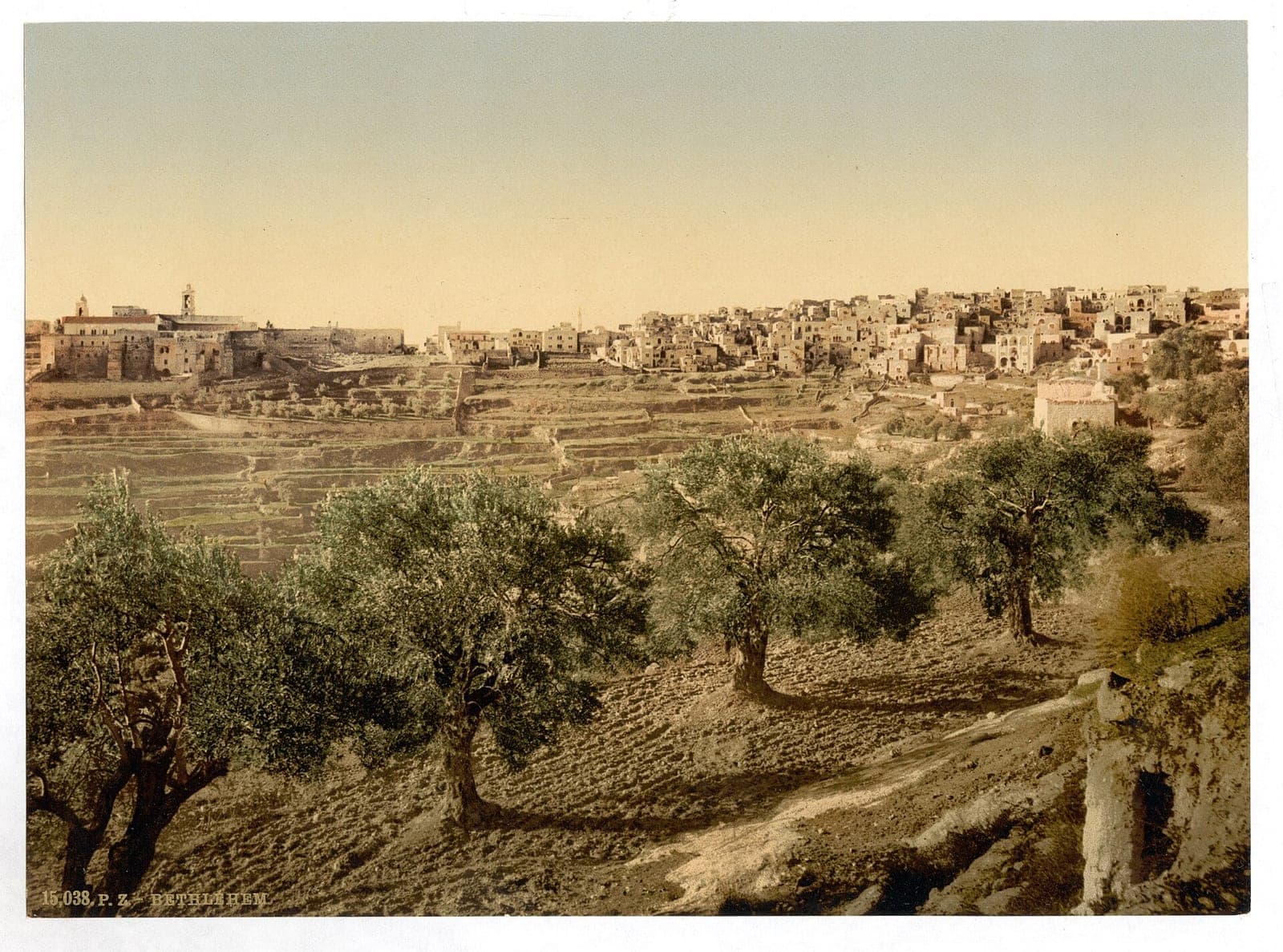
Photo: Photochrom print, Library of Congress Prints and Photographs Division (LCCN 2002724966). License: Public domain in the United States; Library of Congress states no known restrictions on publication. Source. Location: Bethlehem, West Bank; print preserved by the Library of Congress. Resized for the web.
Explore the places of the Bible
See where biblical events happened, why each place matters, and what archaeology helps us understand.
Bethlehem
David's hometown, and the town where Jesus was born.
Get full access with one subscription
Explore the people and places of the Bible. Read summaries of every book, with images and clear explanations covering every chapter. Access all these features and our Bible study tools with one subscription.
See PlansAsk AI about 2 Thessalonians 3:17
Ask a question about this verse and get a clear answer, with Bible references you can read for yourself.
Every Bible book, explained chapter by chapter
Explore summaries of every book of the Bible, with images and easy-to-understand explanations covering every chapter.
Keep studying 2 Thessalonians 3:17
Related Bible verses
Key themes
Related topics
At a Glance — the Book of 2 Thessalonians
- Author
- Paul the apostle
- Written
- Around AD 51-52
- Genre
- Letter (epistle)
- Original Audience
- The church in Thessalonica
Frequently Asked Questions
Quick, clear answers about this verse
What does 2 Thessalonians 3:17 mean?
In 2 Thessalonians 3:17, Paul highlights the importance of authenticity in his letters by writing the greeting himself. This personal touch serves as his signature, ensuring that the recipients know the message is genuinely from him. It emphasizes the value of personal communication and the need to distinguish true messages from forgeries.
Why did Paul write with his own hand?
Paul wrote with his own hand to provide a personal connection with the recipients of his letters. This act not only served as a signature but also reinforced his authority and care for the people he addressed. By doing so, he aimed to ensure that his letters were recognized as authentic and to foster a deeper relationship with the readers.
How can I apply the message of 2 Thessalonians 3:17 in my life?
You can apply the message of 2 Thessalonians 3:17 by adding a personal touch to your communications. Consider writing handwritten notes or thoughtful messages to friends and family. These small gestures can significantly strengthen your relationships and convey your sincerity, reminding others that you genuinely care about them.
What themes are present in 2 Thessalonians 3:17?
The themes present in 2 Thessalonians 3:17 include authenticity, the importance of personal touch in communication, and the value of genuine relationships. Paul’s emphasis on writing personally highlights how meaningful interactions can foster deeper connections and the significance of being sincere in our communications.
Daily Verse — straight to your inbox
A verse and a 2-sentence plain-English explanation, every morning. Free. Unsubscribe anytime.