New Testament
Acts 15:10
Read the Bible in clear, modern English—easy to understand, faithful to the meaning, and written for everyday readers.
So now why are you testing God by putting a yoke on the neck of the disciples that neither our fathers nor we have been able to bear?
Compare translations
Now therefore why tempt ye God, to put a yoke upon the neck of the disciples, which neither our fathers nor we were able to bear?
What Acts 15:10 means
Plain-English insight for readers
In this verse, the speaker is addressing a serious issue within the early Christian community. They are questioning why some are trying to impose strict rules on new believers, rules that even the previous generations struggled to follow. The 'yoke' symbolizes burdensome laws that can weigh people down. The speaker emphasizes that these rules are not only difficult but also unnecessary. By testing God, they risk alienating those who are just beginning their faith journey. The message is clear: faith should be about grace and freedom, not heavy obligations. This call to reconsider the imposition of such burdens is a reminder that faith should uplift rather than constrain. It encourages a community that welcomes everyone without the weight of excessive rules. Ultimately, it’s about fostering a supportive environment where individuals can grow in their faith without feeling overwhelmed by expectations. This verse challenges us to reflect on how we treat others in our communities.
How to apply Acts 15:10 to your life
Consider how you might be placing unnecessary expectations on others in your life. Are there ways you can offer support without adding pressure? Embrace the idea that faith and growth can happen in a space of grace and understanding, not through strict rules. Encourage others to explore their beliefs freely and joyfully. Remember, we all have our own journeys to navigate, and support can make a difference in that process. “
Curated for this public verse page. Acts Summary
Learn the Bible through its people and places
Get to know the people in Scripture through illustrated stories, and explore the places where they lived and traveled.

Illustrated scene from Paul's story: The Council in Jerusalem (Acts 15:1–35)
Meet the people of the Bible
Follow their lives in order, with illustrated scenes and Bible passages that tell their stories.
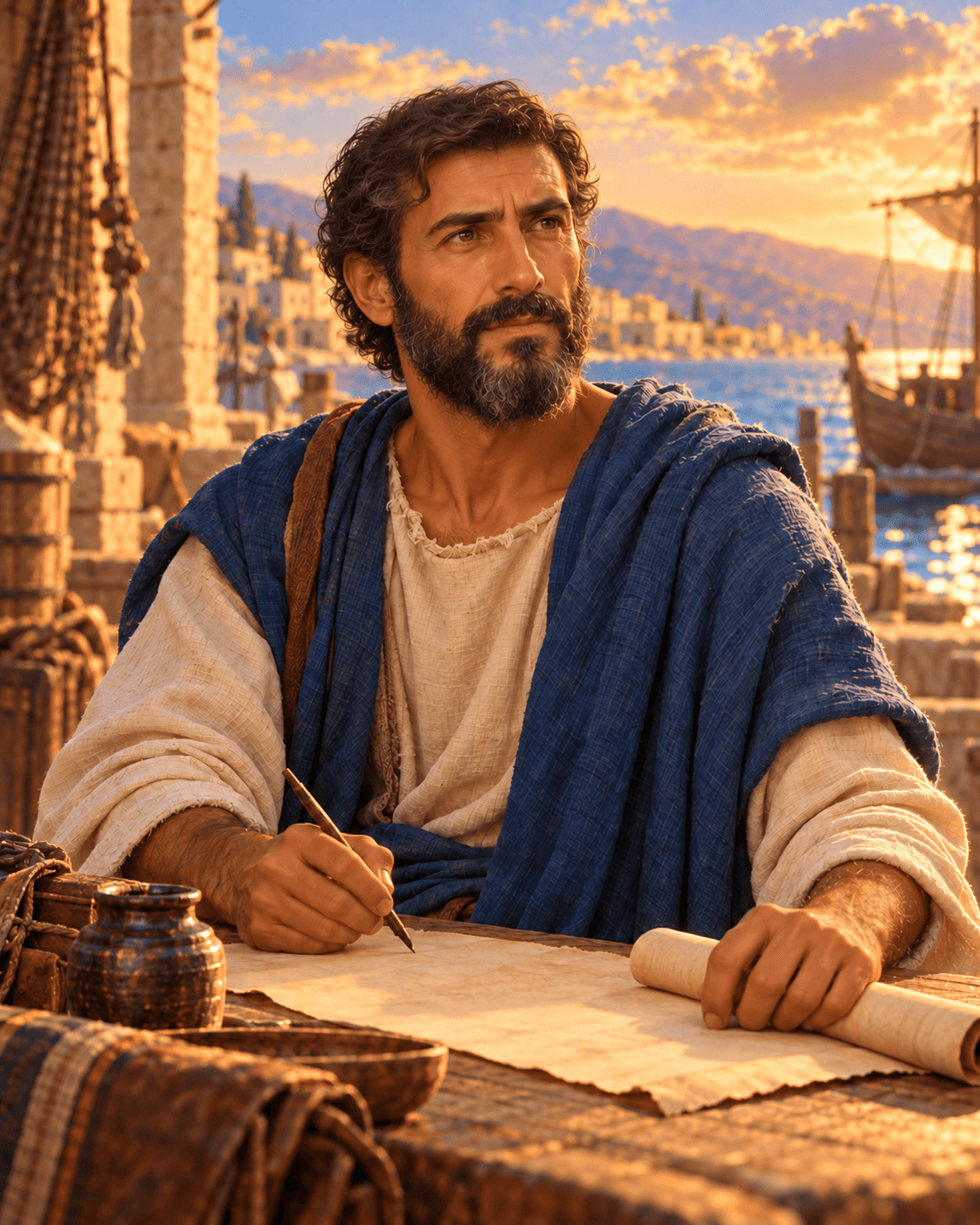 Paul

Photo: Gary Todd (Gary Lee Todd, Ph.D.), via Wikimedia Commons. License: CC0 1.0 Universal Public Domain Dedication. Source. Location: Southern end of the Temple Mount, Jerusalem Old City. Resized for the web.
Explore the places of the Bible
See where biblical events happened, why each place matters, and what archaeology helps us understand.
Jerusalem
David's capital, the city of the temple, and the place where Jesus died and rose again.
Get full access with one subscription
Explore the people and places of the Bible. Read summaries of every book, with images and clear explanations covering every chapter. Access all these features and our Bible study tools with one subscription.
See PlansAsk AI about Acts 15:10
Ask a question about this verse and get a clear answer, with Bible references you can read for yourself.
Every Bible book, explained chapter by chapter
Explore summaries of every book of the Bible, with images and easy-to-understand explanations covering every chapter.
Keep studying Acts 15:10
Related Bible verses
At a Glance — the Book of Acts
- Author
- Luke the physician
- Written
- Around AD 62
- Genre
- Historical narrative
- Original Audience
- Gentile Christians (addressed to Theophilus)
Frequently Asked Questions
Quick, clear answers about this verse
What does Acts 15:10 mean?
Acts 15:10 addresses the issue of imposing strict rules on new believers, questioning why such burdens are placed when even previous generations struggled with them. It emphasizes that faith should be about grace and not heavy obligations.
What is the meaning of 'yoke' in Acts 15:10?
In Acts 15:10, 'yoke' symbolizes burdensome laws or rules that can weigh down individuals. The verse suggests that these burdens are unnecessary and counterproductive to the faith journey.
How does Acts 15:10 relate to community?
Acts 15:10 emphasizes the need for a community that welcomes everyone without the weight of excessive rules. It encourages support and understanding among believers, fostering an environment where faith can flourish.
What lesson can we learn from Acts 15:10?
Acts 15:10 teaches us to reflect on how we treat others in our communities, urging us to avoid placing unnecessary expectations on them. It highlights the importance of grace and support in the faith journey.
Daily Verse — straight to your inbox
A verse and a 2-sentence plain-English explanation, every morning. Free. Unsubscribe anytime.