New Testament
Acts 2:44
Read the Bible in clear, modern English—easy to understand, faithful to the meaning, and written for everyday readers.
All the believers stayed together and shared everything they had.
Compare translations
And all that believed were together, and had all things common;
What Acts 2:44 means
Plain-English insight for readers
In this passage, we see a powerful picture of community among the early believers. They didn’t just gather for worship; they lived life together. Sharing everything they had meant that no one was in need. This unity created a strong bond among them, as they supported each other in both spiritual and practical ways. Their willingness to share resources reflected their deep commitment to one another and their shared faith. This was not just about material possessions; it was about building relationships and fostering a sense of belonging. The early church exemplified how love and generosity can transform a group of individuals into a caring family. Their actions serve as a reminder that true community thrives when we prioritize each other’s needs and well-being above our own. This spirit of sharing can inspire us today to create connections that go beyond mere acquaintances, encouraging us to support one another in meaningful ways, just as they did. Together, they showed that faith is best expressed through love and action.
How to apply Acts 2:44 to your life
Consider how you can share your resources with those around you. Look for opportunities to support friends or neighbors in need. Building a strong community requires intentional acts of kindness and generosity. Your actions can create a lasting impact on others' lives. Embrace the spirit of togetherness in your daily interactions!
Curated for this public verse page. Acts Summary
Explore more of the Bible
Learn the Bible through its people and places
Get to know the people in Scripture through illustrated stories, and explore the places where they lived and traveled.
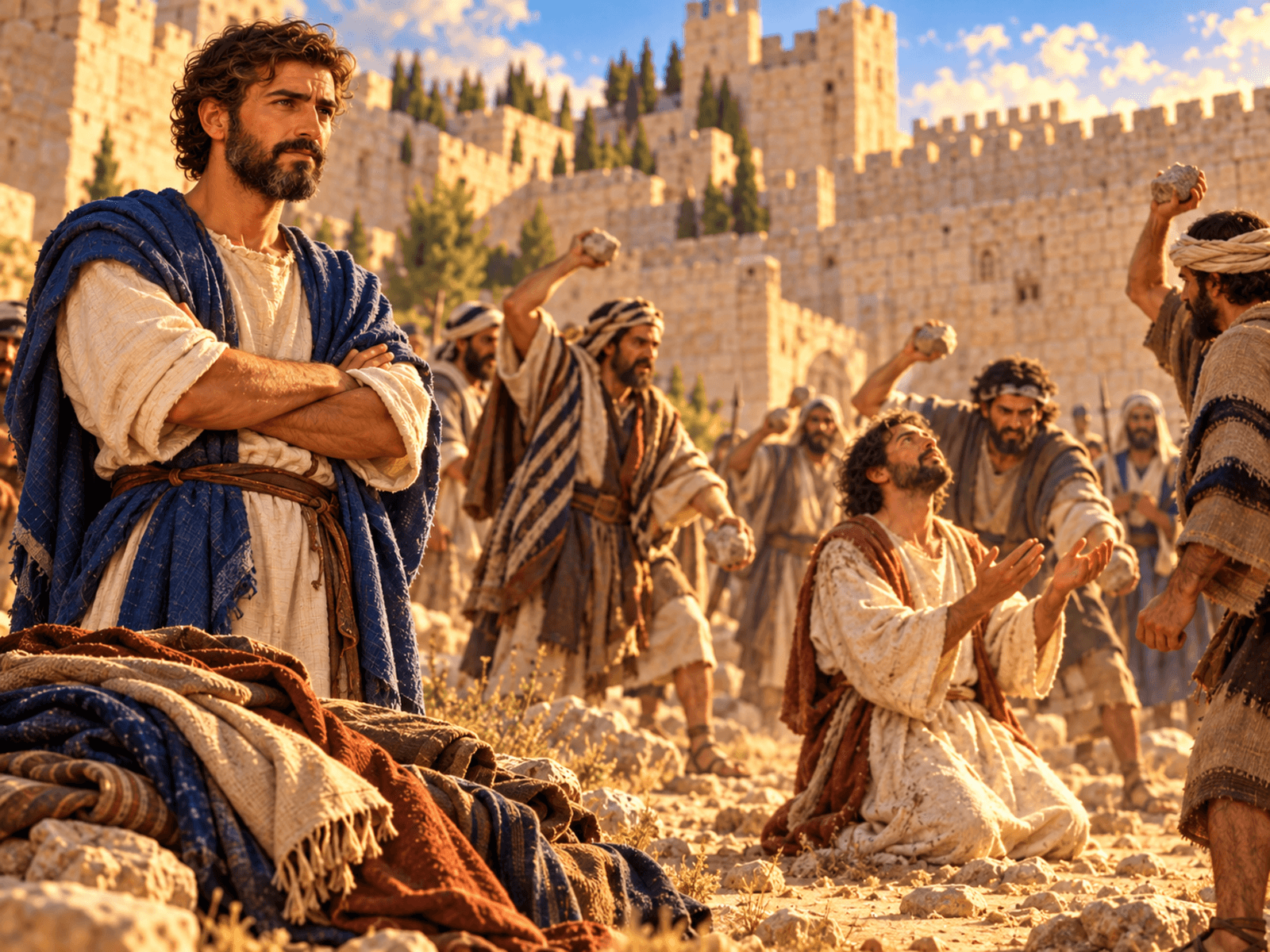
Illustrated scene from Paul's story: The Stoning of Stephen (Acts 7:57–8:2)
Meet the people of the Bible
Follow their lives in order, with illustrated scenes and Bible passages that tell their stories.
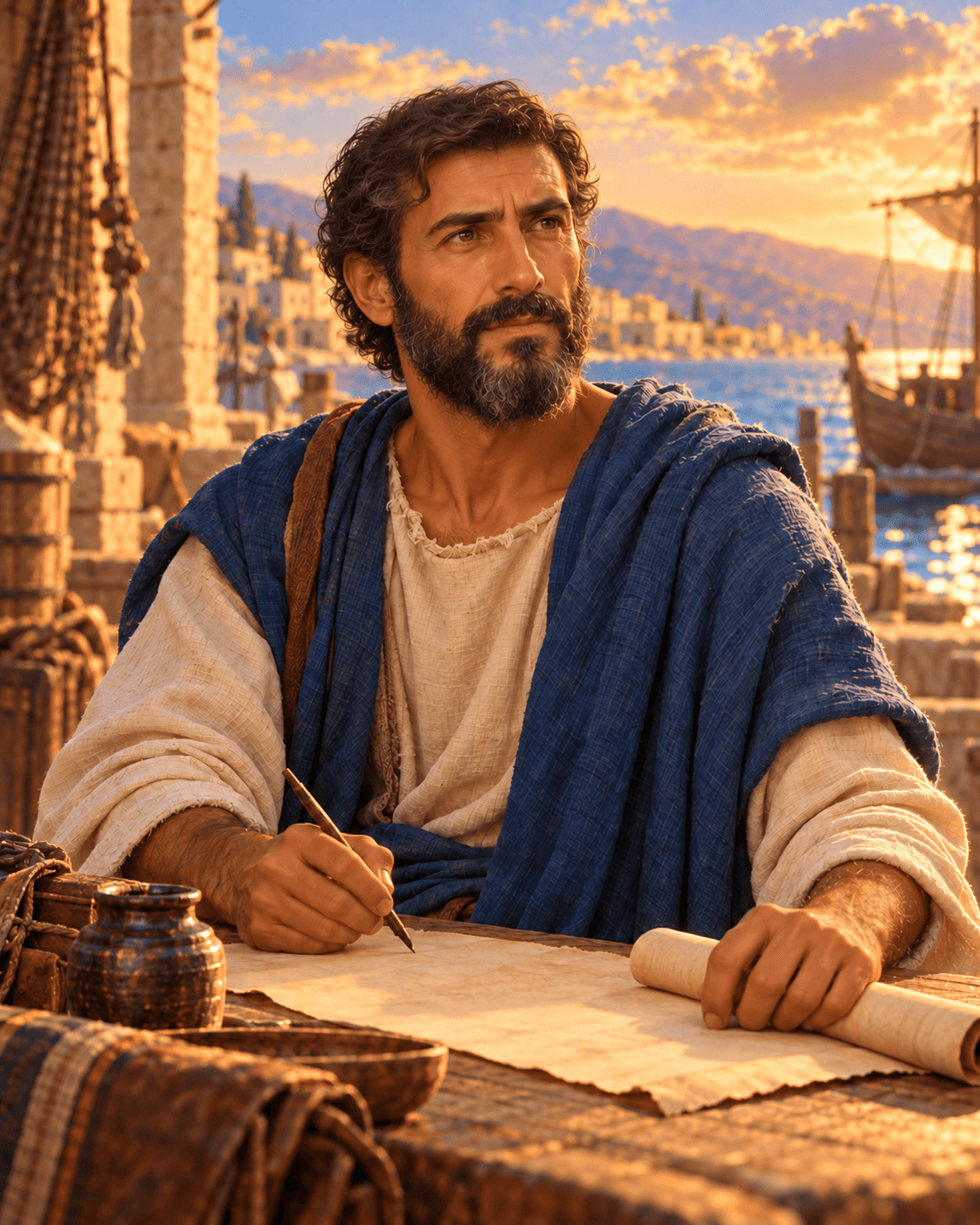 Paul

Photo: Gary Todd (Gary Lee Todd, Ph.D.), via Wikimedia Commons. License: CC0 1.0 Universal Public Domain Dedication. Source. Location: Southern end of the Temple Mount, Jerusalem Old City. Resized for the web.
Explore the places of the Bible
See where biblical events happened, why each place matters, and what archaeology helps us understand.
Jerusalem
David's capital, the city of the temple, and the place where Jesus died and rose again.
Get full access with one subscription
Explore the people and places of the Bible. Read summaries of every book, with images and clear explanations covering every chapter. Access all these features and our Bible study tools with one subscription.
See PlansAsk AI about Acts 2:44
Ask a question about this verse and get a clear answer, with Bible references you can read for yourself.
Fuller verse explanations
Explore what a verse means, what was happening around it, and how it connects to other Bible passages.
Plain Meaning
The believers stayed close together as a group. They also shared what they owned with each other. Verse 45 shows what this looked like: they sold their things and gave the money to anyone who had a need. This was real sharing — not just good feelings toward each other.
Read It in Context
This verse describes the early Jerusalem believers. About three thousand people had just been baptized on the day of Pentecost. The verses around it show this group meeting daily, eating together, and praying together.
The full Clear view adds what to notice, common misreadings, and the passage that best explains this one — for Acts 2:44 and any verse in the Bible.
Every Bible book, explained chapter by chapter
Explore summaries of every book of the Bible, with images and easy-to-understand explanations covering every chapter.
Keep studying Acts 2:44
Related Bible verses
At a Glance — the Book of Acts
- Author
- Luke the physician
- Written
- Around AD 62
- Genre
- Historical narrative
- Original Audience
- Gentile Christians (addressed to Theophilus)
Frequently Asked Questions
Quick, clear answers about this verse
What does Acts 2:44 teach about community?
Acts 2:44 highlights the importance of community among believers. It shows that the early church was not just a gathering for worship but a close-knit family that shared their resources and supported each other. This unity fostered a strong bond and ensured that no one was in need, emphasizing that true community thrives on love, generosity, and mutual support.
How can I apply the message of Acts 2:44 in my life?
To apply the message of Acts 2:44, look for ways to share your resources with those around you. This could mean offering help to a neighbor, volunteering your time, or donating to those in need. Building a strong community requires intentional acts of kindness and generosity. By prioritizing the needs of others, you can create meaningful connections and foster a sense of belonging.
What does sharing everything mean in Acts 2:44?
In Acts 2:44, sharing everything means that the early believers were willing to give up their personal possessions and resources for the benefit of the community. This act of sharing was not limited to material goods; it also included emotional and spiritual support. It reflects a deep commitment to one another, where the needs of the group were placed above individual desires.
Why is unity important in a faith community according to Acts 2:44?
Unity is crucial in a faith community as illustrated in Acts 2:44 because it creates a supportive environment where members can thrive spiritually and practically. When believers come together and share their lives, they build strong relationships that encourage growth, accountability, and love. This unity serves as a powerful testimony of their faith and commitment to one another.
Daily Verse — straight to your inbox
A verse and a 2-sentence plain-English explanation, every morning. Free. Unsubscribe anytime.