New Testament
Acts 26:10
Read the Bible in clear, modern English—easy to understand, faithful to the meaning, and written for everyday readers.
That is exactly what I did in Jerusalem. With authority from the chief priests, I locked many of the saints in prison, and when they were put to death, I cast my vote against them.
Compare translations
Which thing I also did in Jerusalem: and many of the saints did I shut up in prison, having received authority from the chief priests; and when they were put to death, I gave my voice against them.
What Acts 26:10 means
Plain-English insight for readers
In this passage, Paul reflects on his past actions in Jerusalem, where he was given the power by the religious leaders to imprison followers of Jesus. He describes how he actively participated in their persecution, even voting for their execution. This moment reveals the intensity of his former beliefs and the lengths he went to uphold them. Paul’s actions were driven by a strong conviction that he was defending his faith, but they also highlight a profound misunderstanding of what true faith means. His story serves as a powerful reminder of how people can be deeply committed to their beliefs while being completely misguided. It emphasizes the importance of seeking truth and understanding rather than blindly following authority. Paul’s transformation later in life shows that change is possible, and it encourages us to reflect on our own beliefs and actions. We can learn from his journey that it’s never too late to seek a deeper understanding of compassion and love, even if we have made mistakes in the past.
How to apply Acts 26:10 to your life
Reflect on your own beliefs and how they shape your actions. Are there areas where you might be following authority without questioning? Consider how you can seek truth and understanding in your life. Remember, it’s never too late to change and grow in compassion and love for others. Embrace the journey of transformation!
Curated for this public verse page. Acts Summary
Learn the Bible through its people and places
Get to know the people in Scripture through illustrated stories, and explore the places where they lived and traveled.
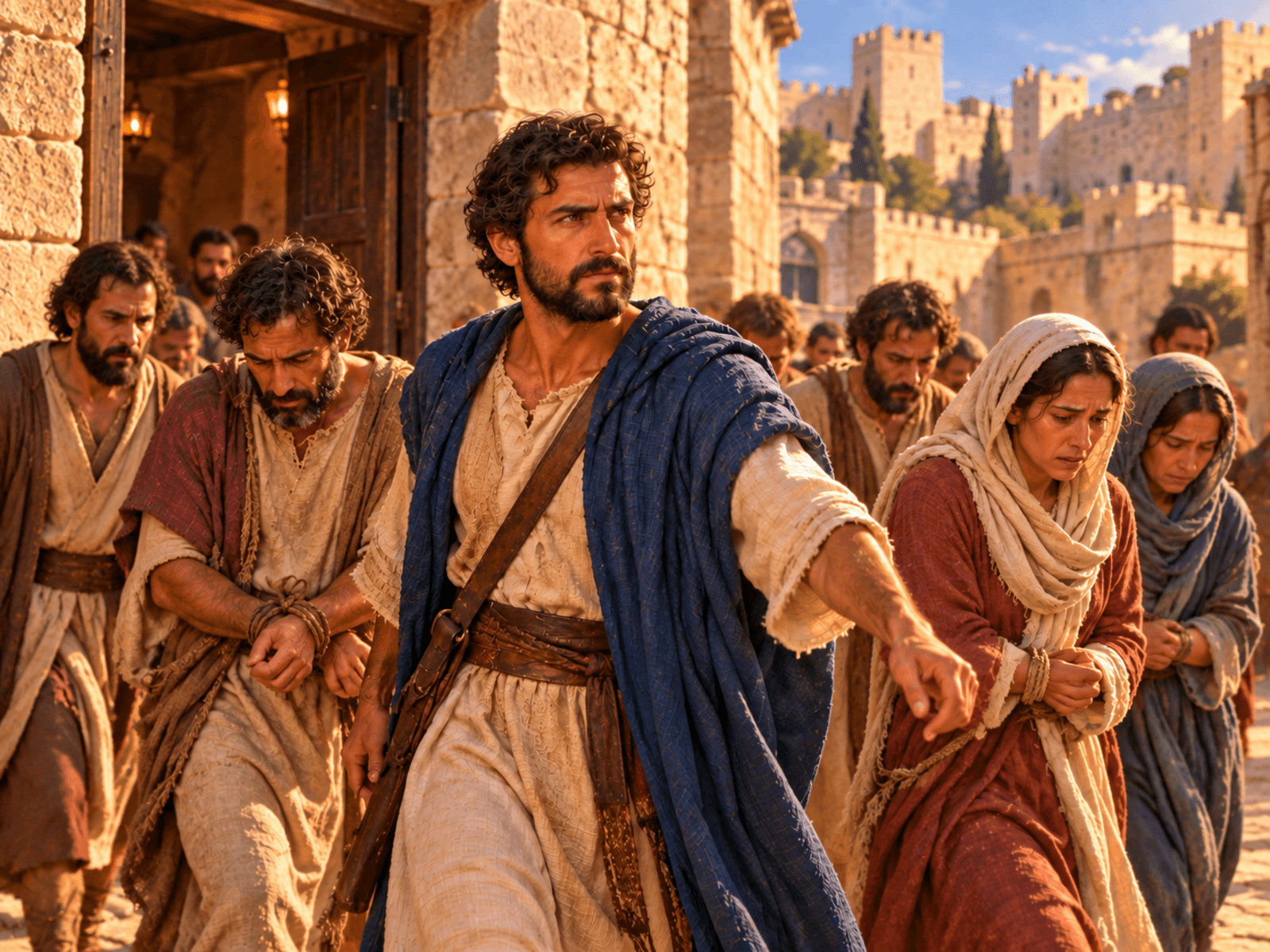
Illustrated scene from Paul's story: Saul Persecutes the Church (Acts 26:9–11)
Meet the people of the Bible
Follow their lives in order, with illustrated scenes and Bible passages that tell their stories.
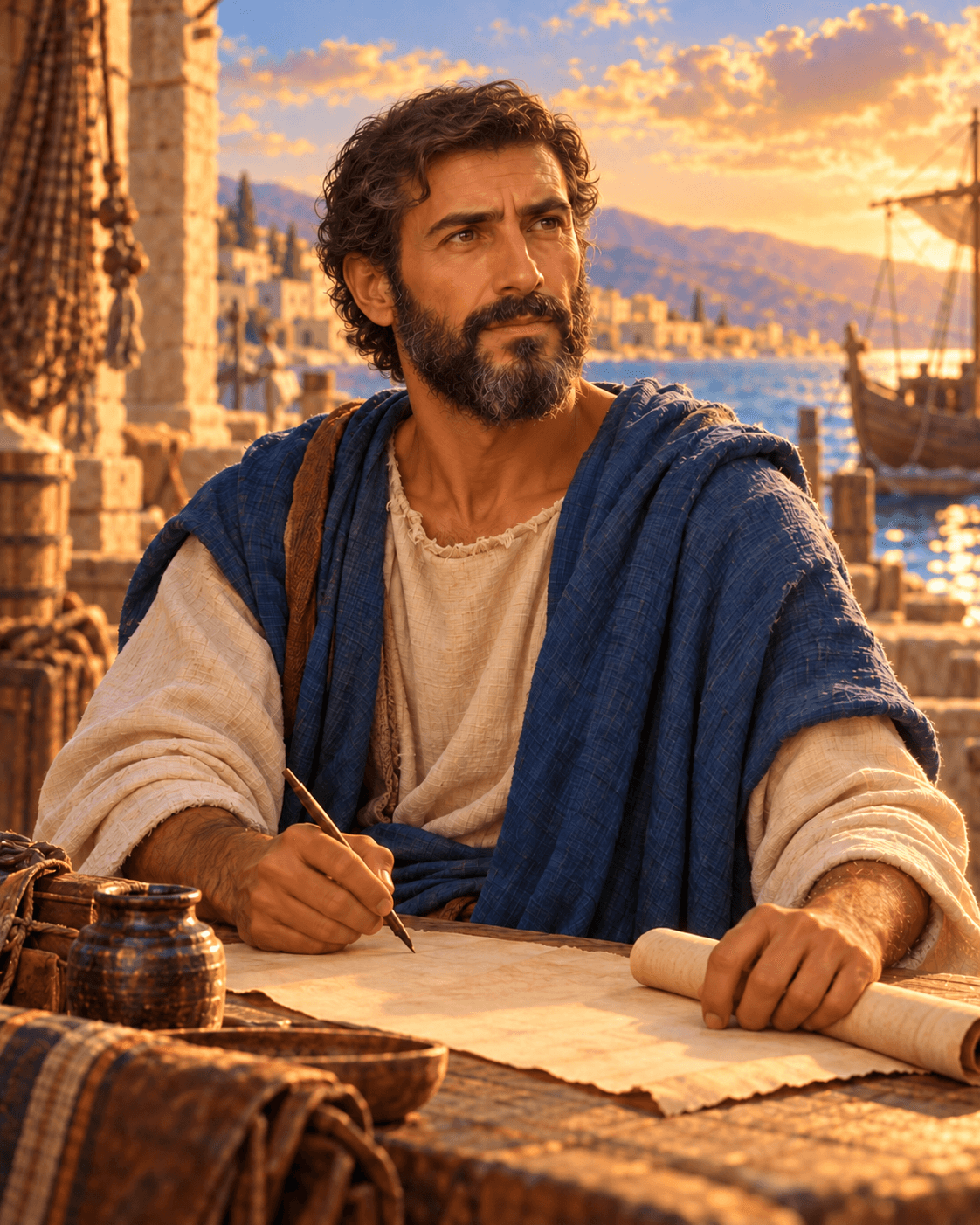 Paul
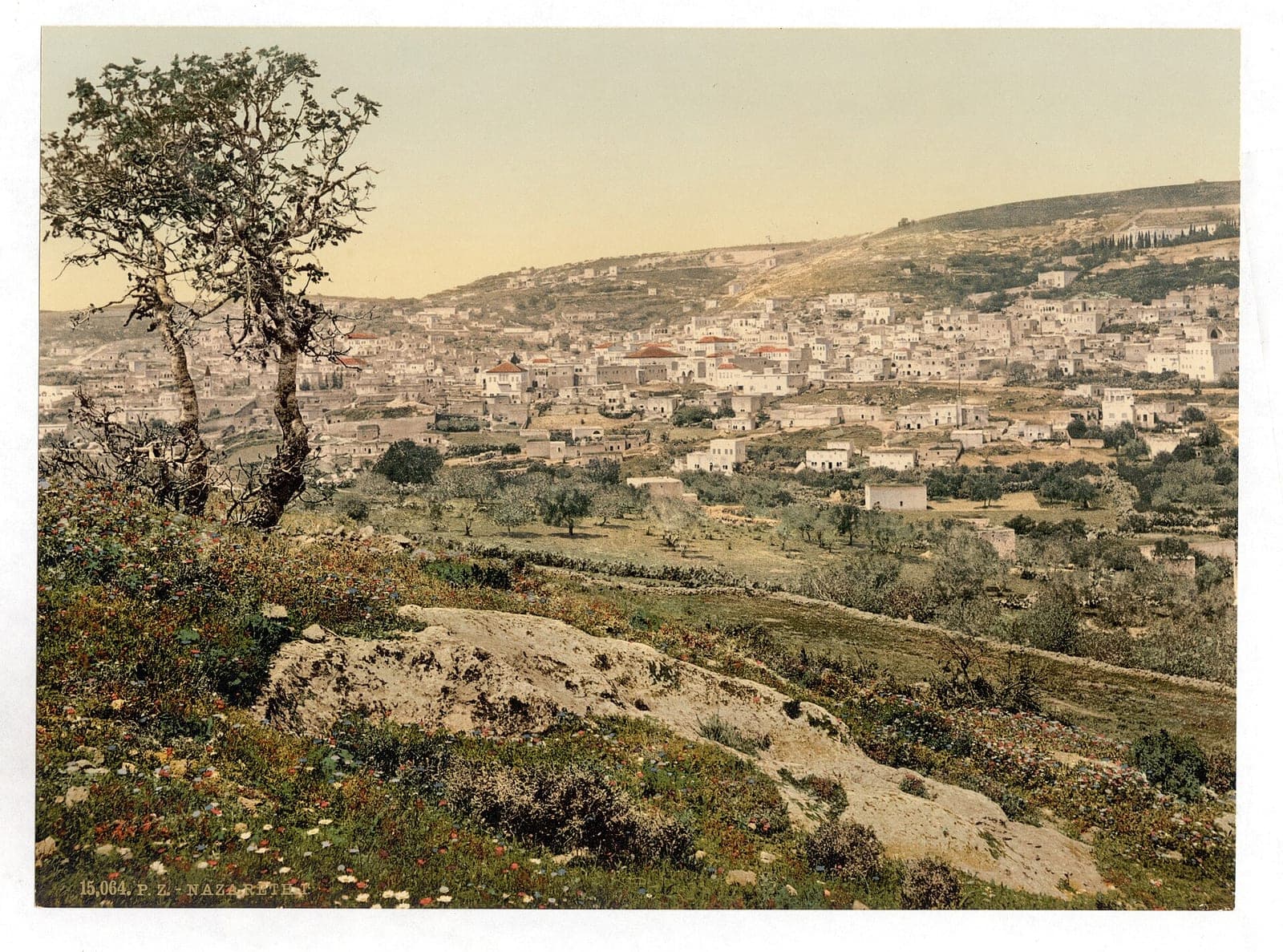
Photo: Photochrom print, Library of Congress Prints and Photographs Division (LCCN 2002725045). License: Public domain in the United States; Library of Congress states no known restrictions on publication. Source. Location: Nazareth, Israel; print preserved by the Library of Congress. Resized for the web.
Explore the places of the Bible
See where biblical events happened, why each place matters, and what archaeology helps us understand.
Nazareth
The small town in Galilee where Jesus grew up.
Get full access with one subscription
Explore the people and places of the Bible. Read summaries of every book, with images and clear explanations covering every chapter. Access all these features and our Bible study tools with one subscription.
See PlansAsk AI about Acts 26:10
Ask a question about this verse and get a clear answer, with Bible references you can read for yourself.
Every Bible book, explained chapter by chapter
Explore summaries of every book of the Bible, with images and easy-to-understand explanations covering every chapter.
Keep studying Acts 26:10
Related Bible verses
Key themes
Related topics
At a Glance — the Book of Acts
- Author
- Luke the physician
- Written
- Around AD 62
- Genre
- Historical narrative
- Original Audience
- Gentile Christians (addressed to Theophilus)
Frequently Asked Questions
Quick, clear answers about this verse
What does Acts 26:10 mean?
Acts 26:10 describes Paul's admission of his past actions in Jerusalem, where he imprisoned Christians and voted for their executions. This verse highlights his former zeal for the Jewish faith and his misunderstanding of true faith.
What is the significance of Paul locking up saints in Acts 26:10?
Paul locking up saints in Acts 26:10 signifies his intense commitment to his beliefs at the time, showing how he believed he was defending his faith by persecuting followers of Jesus.
What does 'cast my vote against them' mean in Acts 26:10?
In Acts 26:10, 'cast my vote against them' means that Paul actively supported the death sentences of Christians, indicating his role in their persecution and the severity of his actions.
How does Acts 26:10 reflect on authority and faith?
Acts 26:10 reflects on the dangers of blindly following authority, as Paul acted under the chief priests' orders without questioning the morality of his actions, illustrating a misguided faith.
Daily Verse — straight to your inbox
A verse and a 2-sentence plain-English explanation, every morning. Free. Unsubscribe anytime.