New Testament
Acts 7:2
Read the Bible in clear, modern English—easy to understand, faithful to the meaning, and written for everyday readers.
Stephen replied, "Men, brothers, and fathers, listen to me. The God of glory appeared to our ancestor Abraham while he was still living in Mesopotamia, before he moved to Haran."
Compare translations
And he said, Men, brethren, and fathers, hearken; The God of glory appeared unto our father Abraham, when he was in Mesopotamia, before he dwelt in Charran,
What Acts 7:2 means
Plain-English insight for readers
In this moment, Stephen is addressing a group of people, calling them to pay attention. He highlights a significant event in history: the appearance of God to Abraham, a pivotal figure in their faith. This encounter took place while Abraham was still in Mesopotamia, a region known for its rich culture and history. It was before Abraham moved to Haran, marking the beginning of his journey of faith. This statement emphasizes the importance of God's direct communication with individuals, showing that God is actively involved in human lives. Stephen's reference to Abraham serves to connect his audience with their heritage and the foundational moments of their beliefs. By recalling this story, he invites them to reflect on their own relationship with God and the legacy of faith that began with Abraham. This moment is not just about history; it’s about understanding how God’s presence can guide and transform lives even today. Stephen's words remind us that God sees us and calls us, just as He did with Abraham.
How to apply Acts 7:2 to your life
Consider how God might be reaching out to you in your life. Reflect on your own journey of faith and the moments that have shaped you. Just as Abraham was called, you too can respond to God's invitation to grow and change. Stay open to His guidance and presence in your daily life. Trust that your story is part of a larger narrative of faith and purpose in the world around you.
Curated for this public verse page. Acts Summary
Learn the Bible through its people and places
Get to know the people in Scripture through illustrated stories, and explore the places where they lived and traveled.
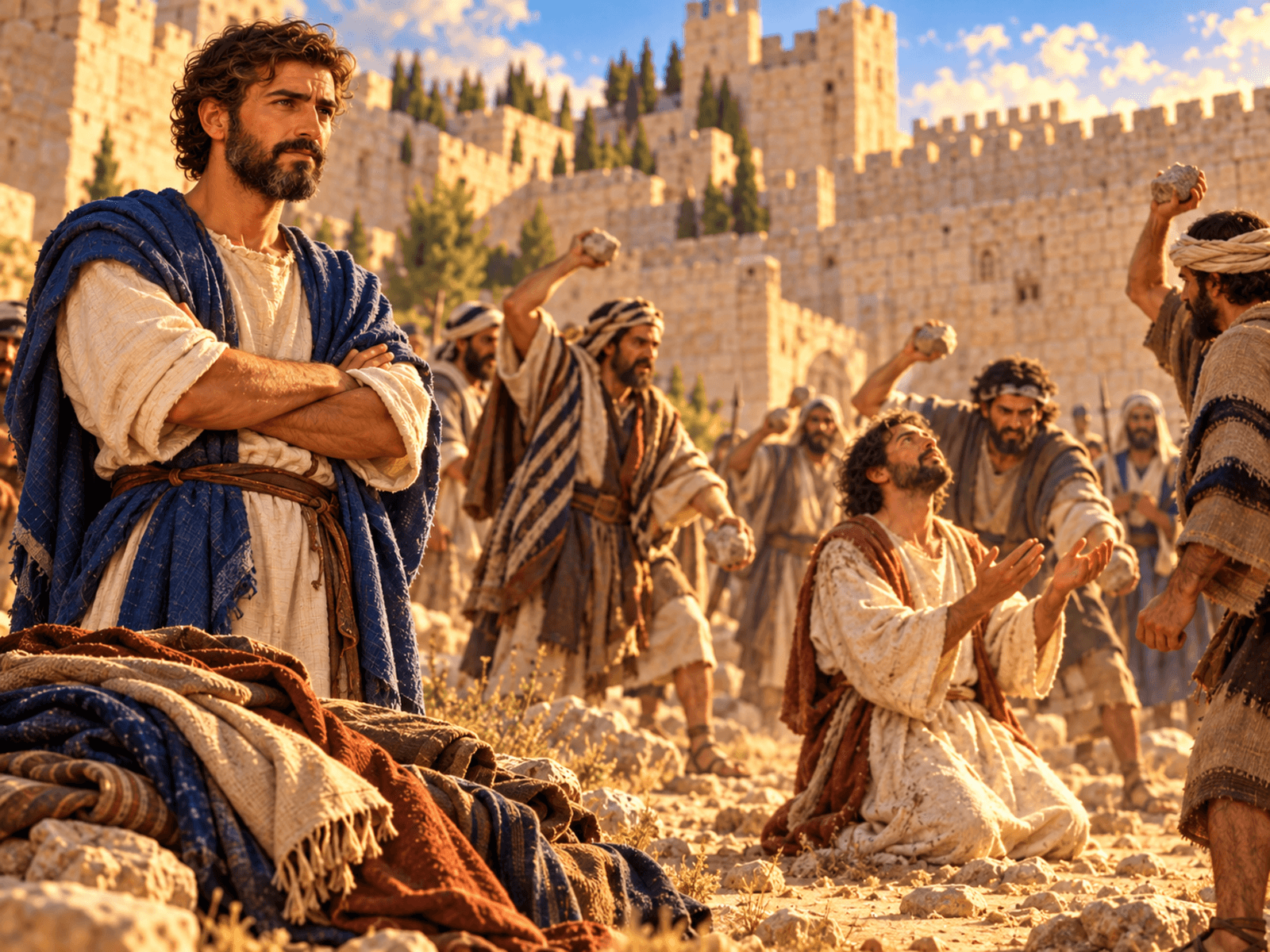
Illustrated scene from Paul's story: The Stoning of Stephen (Acts 7:57–8:2)
Meet the people of the Bible
Follow their lives in order, with illustrated scenes and Bible passages that tell their stories.
 Paul

Photo: U.S. Army photo by Spc. Samantha R. Ciaramitaro, via DVIDS and Wikimedia Commons. License: Public domain in the United States — U.S. federal-government work. Source. Location: Great Ziggurat, Ur Archaeological City (Tell el-Mukayyar), Dhi Qar Governorate, Iraq. Resized for the web.
Explore the places of the Bible
See where biblical events happened, why each place matters, and what archaeology helps us understand.
Ur
The city Abram's family left to travel toward Canaan.
Get full access with one subscription
Explore the people and places of the Bible. Read summaries of every book, with images and clear explanations covering every chapter. Access all these features and our Bible study tools with one subscription.
See PlansAsk AI about Acts 7:2
Ask a question about this verse and get a clear answer, with Bible references you can read for yourself.
Every Bible book, explained chapter by chapter
Explore summaries of every book of the Bible, with images and easy-to-understand explanations covering every chapter.
Keep studying Acts 7:2
Related Bible verses
Key themes
Related topics
At a Glance — the Book of Acts
- Author
- Luke the physician
- Written
- Around AD 62
- Genre
- Historical narrative
- Original Audience
- Gentile Christians (addressed to Theophilus)
Frequently Asked Questions
Quick, clear answers about this verse
What does Acts 7:2 teach us about God's communication with Abraham?
Acts 7:2 highlights a pivotal moment where God directly communicates with Abraham, emphasizing that God is actively involved in human lives. This encounter signifies the beginning of Abraham's journey of faith, illustrating how God calls individuals to a greater purpose. It serves as a reminder that God can reach out to anyone, inviting them to listen and respond to His guidance.
Why is Abraham significant in Acts 7:2?
Abraham is significant in Acts 7:2 because he is considered the father of faith in Judeo-Christian tradition. Stephen references Abraham to connect his audience with their spiritual heritage, showcasing the foundational moments of their beliefs. By recalling God's appearance to Abraham, Stephen emphasizes the importance of faith and obedience, encouraging his listeners to reflect on their own relationship with God.
What is the historical context of Acts 7:2?
Acts 7:2 occurs during Stephen's defense before the Sanhedrin, where he recounts the history of Israel to illustrate God's faithfulness. The mention of Mesopotamia and Haran situates Abraham's calling within a historical and geographical context, highlighting the significance of God's choice of Abraham as a patriarch. This context serves to remind the audience of their roots and God's ongoing relationship with His people.
How can Acts 7:2 inspire my personal faith journey?
Acts 7:2 can inspire your personal faith journey by encouraging you to recognize moments when God may be calling you. Just as Abraham responded to God's invitation, you can reflect on your own experiences and openness to divine guidance. This verse invites you to consider how God is present in your life, urging you to trust in His plan and embrace the transformative journey of faith.
Daily Verse — straight to your inbox
A verse and a 2-sentence plain-English explanation, every morning. Free. Unsubscribe anytime.