Old Testament
Amos 6:4
Read the Bible in clear, modern English—easy to understand, faithful to the meaning, and written for everyday readers.
You lounge on beds inlaid with ivory and sprawl across your couches. You feast on the choicest lambs from the flock and the fattest calves from the stall.
Compare translations
That lie upon beds of ivory, and stretch themselves upon their couches, and eat the lambs out of the flock, and the calves out of the midst of the stall;
What Amos 6:4 means
Plain-English insight for readers
In this verse, the prophet Amos paints a vivid picture of the wealthy and comfortable lifestyle of some people in Israel. They are depicted as lounging on luxurious beds made of ivory, enjoying their leisure without a care in the world. Their indulgence extends to their meals, where they feast on the best lambs and the most prized calves. This imagery highlights their excessive comfort and the stark contrast to the struggles faced by the less fortunate. Amos is calling out this behavior, suggesting that such opulence blinds them to the needs of others and the reality of their society. The focus on material wealth and pleasure serves as a warning against complacency and selfishness. It challenges us to reflect on our own lives and how we might be prioritizing comfort over compassion. The message is clear: true fulfillment comes not from luxury, but from caring for those around us and recognizing our shared humanity. This verse invites us to consider what we value and how we can live more meaningfully.
How to apply Amos 6:4 to your life
Reflect on your own lifestyle and consider if you are prioritizing comfort over the needs of others. Look for ways to share your resources and support those who are struggling. Small acts of kindness can make a significant difference in someone's life. Remember, true wealth is found in relationships and community, not just material possessions. Embrace a mindset of generosity and empathy in your daily life.
Curated for this public verse page. Amos Summary
Explore more of the Bible
Learn the Bible through its people and places
Get to know the people in Scripture through illustrated stories, and explore the places where they lived and traveled.

Illustrated scene from Noah's story: Noah Is Born (Genesis 5:28–32)
Meet the people of the Bible
Follow their lives in order, with illustrated scenes and Bible passages that tell their stories.
 Noah
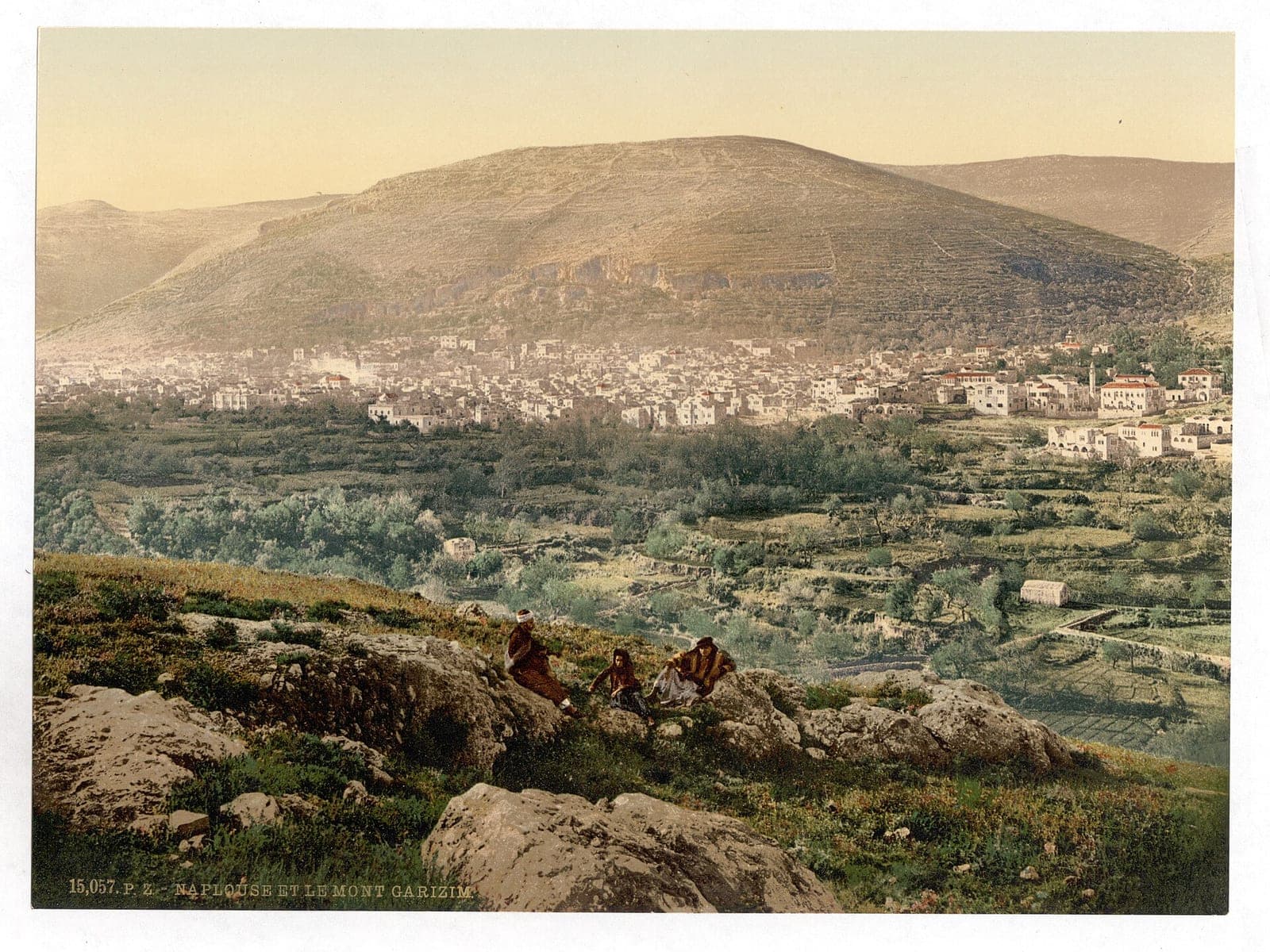
Photo: Photochrom print, Library of Congress Prints and Photographs Division (LCCN 2002725043). License: Public domain in the United States; Library of Congress states no known restrictions on publication. Source. Location: Nablus and Mount Gerizim, West Bank; print preserved by the Library of Congress. Resized for the web.
Explore the places of the Bible
See where biblical events happened, why each place matters, and what archaeology helps us understand.
Shechem
Where God promised the land to Abram, and where Joshua led Israel to renew the covenant.
Get full access with one subscription
Explore the people and places of the Bible. Read summaries of every book, with images and clear explanations covering every chapter. Access all these features and our Bible study tools with one subscription.
See PlansAsk AI about Amos 6:4
Ask a question about this verse and get a clear answer, with Bible references you can read for yourself.
Every Bible book, explained chapter by chapter
Explore summaries of every book of the Bible, with images and easy-to-understand explanations covering every chapter.
Keep studying Amos 6:4
Related Bible verses
Key themes
Related topics
At a Glance — the Book of Amos
- Author
- Amos the prophet
- Written
- Around 760 BC
- Genre
- Prophecy
- Original Audience
- The northern kingdom of Israel
Frequently Asked Questions
Quick, clear answers about this verse
What does Amos 6:4 teach about wealth and luxury?
Amos 6:4 highlights the dangers of excessive wealth and luxury, illustrating how it can lead to complacency and a lack of awareness of societal issues. The verse depicts individuals indulging in lavish comforts while ignoring the struggles of the less fortunate. This serves as a reminder that material wealth should not overshadow our responsibility to care for others and be mindful of social justice.
How can I apply the message of Amos 6:4 in my life?
To apply the message of Amos 6:4, reflect on your own lifestyle choices and consider how they impact others. Look for opportunities to share your resources, whether through volunteering, donating, or simply being more aware of those in need around you. Embrace a mindset of generosity and compassion, prioritizing relationships and community over material possessions.
What is the historical context of Amos 6:4?
Amos 6:4 was written during a time of prosperity in Israel, where the wealthy elite lived in luxury while the poor suffered. The prophet Amos, a shepherd and farmer, called out the injustices and moral decay of society, urging the affluent to recognize their privilege and the plight of the marginalized. This context emphasizes the prophetic message of social justice and accountability.
What are the consequences of ignoring the message in Amos 6:4?
Ignoring the message in Amos 6:4 can lead to a society that becomes increasingly divided, where the wealthy remain indifferent to the struggles of the poor. This complacency can foster social unrest and moral decay, as people prioritize their own comfort over the well-being of others. The verse serves as a warning that neglecting compassion and empathy can have dire consequences for both individuals and communities.
Daily Verse — straight to your inbox
A verse and a 2-sentence plain-English explanation, every morning. Free. Unsubscribe anytime.