Old Testament
Deuteronomy 10:3
Read the Bible in clear, modern English—easy to understand, faithful to the meaning, and written for everyday readers.
So I built a chest out of acacia wood, cut 2 stone tablets identical to the first ones, and climbed the mountain carrying both tablets.
Compare translations
And I made an ark of shittim wood, and hewed two tables of stone like unto the first, and went up into the mount, having the two tables in mine hand.
What Deuteronomy 10:3 means
Plain-English insight for readers
In this passage, the speaker recounts a significant moment of obedience and dedication. They crafted a chest from acacia wood, a strong and durable material, to hold the stone tablets that contained important laws. These tablets were a reminder of the covenant made with the people. The act of climbing the mountain with the tablets symbolizes a journey of commitment and responsibility. It reflects the importance of preserving and honoring the teachings that guide our lives. By recreating the tablets, the speaker emphasizes the need to uphold the values and principles that shape their community. This moment is not just about physical labor; it represents a deeper connection to faith and purpose, showing how we can carry our beliefs with us as we navigate life's challenges. The chest and tablets serve as a tangible reminder of the promises made and the path to follow, encouraging us to reflect on our own commitments and the values we hold dear in our lives.
How to apply Deuteronomy 10:3 to your life
Consider what commitments you have in your life. Reflect on the values that guide your decisions and actions. Just as the speaker carried the tablets, carry your beliefs with you. Let them shape your journey and influence your choices every day. Embrace the responsibility that comes with your commitments and live them out authentically.
Curated for this public verse page. Deuteronomy Summary
Explore more of the Bible
Learn the Bible through its people and places
Get to know the people in Scripture through illustrated stories, and explore the places where they lived and traveled.

Illustrated scene from David's story: Samuel Anoints David (1 Samuel 16:1–13)
Meet the people of the Bible
Follow their lives in order, with illustrated scenes and Bible passages that tell their stories.
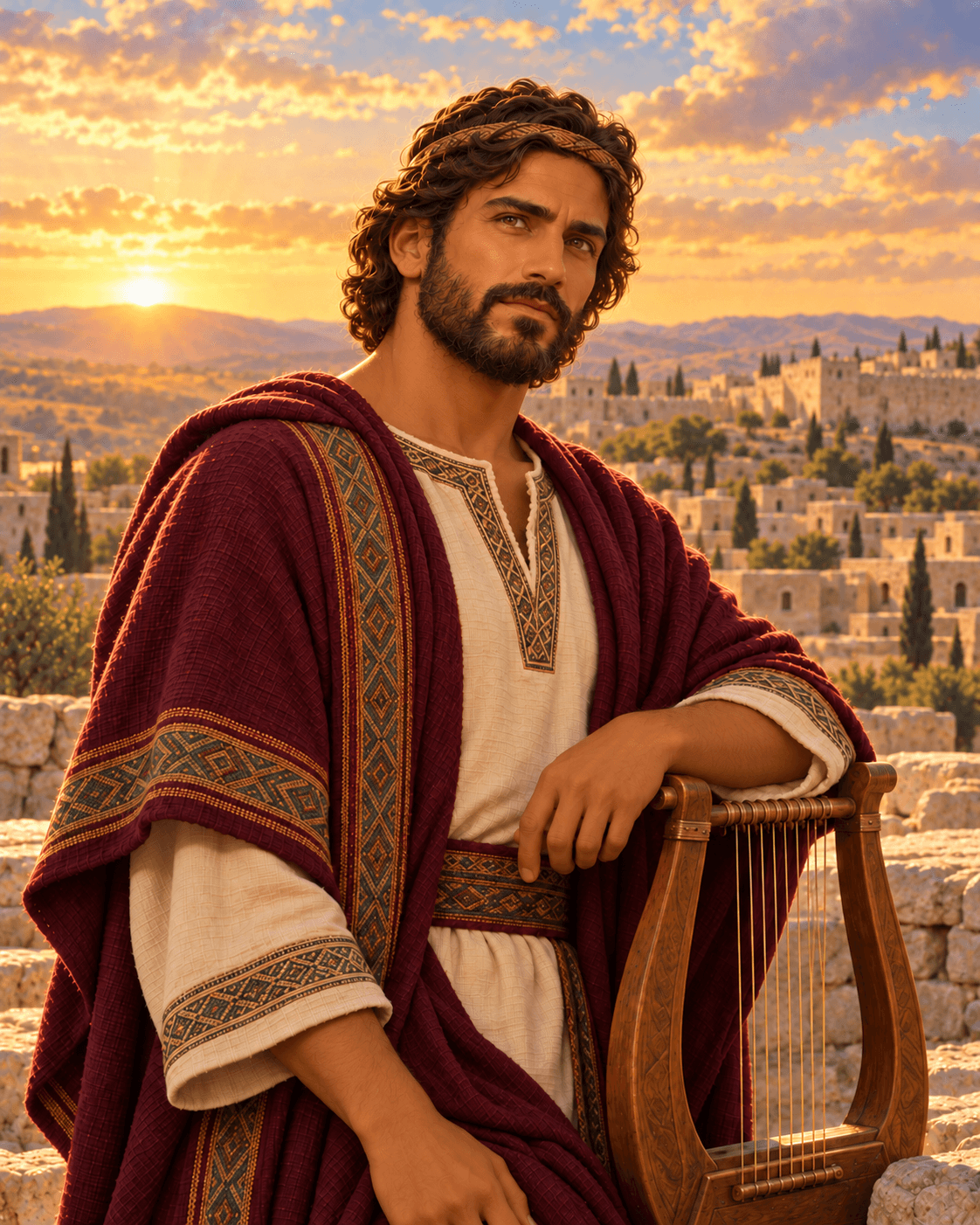 David
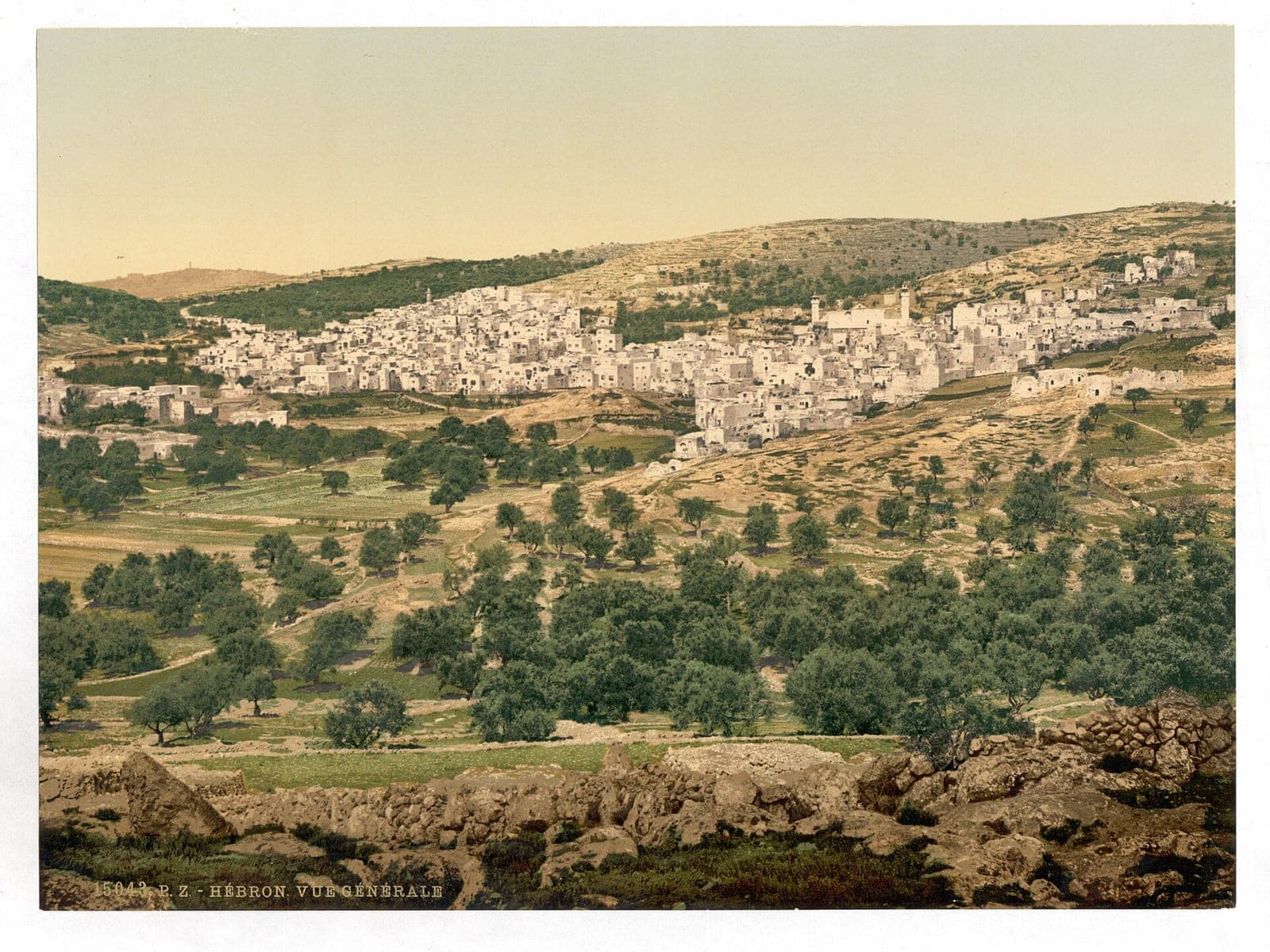
Photo: Photochrom print, Library of Congress Prints and Photographs Division (LCCN 2002724987). License: Public domain in the United States; Library of Congress states no known restrictions on publication. Source. Location: Hebron, West Bank; print preserved by the Library of Congress. Resized for the web.
Explore the places of the Bible
See where biblical events happened, why each place matters, and what archaeology helps us understand.
Hebron
Where Abraham lived and buried Sarah, and where David was first made king.
Get full access with one subscription
Explore the people and places of the Bible. Read summaries of every book, with images and clear explanations covering every chapter. Access all these features and our Bible study tools with one subscription.
See PlansAsk AI about Deuteronomy 10:3
Ask a question about this verse and get a clear answer, with Bible references you can read for yourself.
Every Bible book, explained chapter by chapter
Explore summaries of every book of the Bible, with images and easy-to-understand explanations covering every chapter.
Keep studying Deuteronomy 10:3
Related Bible verses
Key themes
Related topics
At a Glance — the Book of Deuteronomy
- Author
- Traditionally attributed to Moses
- Written
- Around 1400 BC
- Genre
- Law (Pentateuch)
- Original Audience
- The Israelites about to enter the Promised Land
Frequently Asked Questions
Quick, clear answers about this verse
What does Deuteronomy 10:3 mean?
Deuteronomy 10:3 describes the act of building an ark from acacia wood to hold the stone tablets of the law. This reflects a commitment to preserving the covenant between God and the people, symbolizing obedience and responsibility in following divine teachings.
What is the significance of the tablets in Deuteronomy 10:3?
The tablets mentioned in Deuteronomy 10:3 contain the laws given to the people, serving as a reminder of their covenant with God. They represent the moral and ethical guidelines that shape the community's identity and behavior.
Why is acacia wood used in Deuteronomy 10:3?
Acacia wood is chosen in Deuteronomy 10:3 for its strength and durability, symbolizing the lasting nature of the covenant. The use of this material highlights the importance of creating a sturdy and reliable vessel for the sacred laws.
What does climbing the mountain in Deuteronomy 10:3 symbolize?
Climbing the mountain in Deuteronomy 10:3 symbolizes a journey of commitment and dedication to God’s laws. It reflects the effort required to uphold one’s responsibilities and the seriousness of maintaining the covenant.
Daily Verse — straight to your inbox
A verse and a 2-sentence plain-English explanation, every morning. Free. Unsubscribe anytime.