Old Testament
Deuteronomy 22:9
Read the Bible in clear, modern English—easy to understand, faithful to the meaning, and written for everyday readers.
Don't plant two different kinds of seed in your vineyard. If you do, the entire harvest — both the crops and the grapes — will be considered defiled.
Compare translations
Thou shalt not sow thy vineyard with divers seeds: lest the fruit of thy seed which thou hast sown, and the fruit of thy vineyard, be defiled.
What Deuteronomy 22:9 means
Plain-English insight for readers
In this verse, the instruction is clear: don’t mix different types of seeds in your vineyard. This isn’t just about farming; it symbolizes the importance of maintaining purity and focus in our lives. When we mix things that don’t belong together, we risk ruining the whole outcome. Just as a vineyard can be spoiled by mixed seeds, our lives can be affected by distractions and conflicting influences. This principle encourages us to be intentional about what we allow to grow in our lives. By keeping our focus on what truly matters, we can cultivate a fruitful and harmonious existence. It’s a reminder that our choices have consequences, and we should strive for consistency and integrity in all areas of life. Ultimately, this verse teaches us to be mindful of our actions and their impact on our overall well-being and purpose. By nurturing the right seeds, we can ensure a bountiful harvest in our personal and spiritual lives, leading to fulfillment and joy in our journey.
How to apply Deuteronomy 22:9 to your life
Consider what influences you allow into your life. Are there conflicting priorities or distractions that could hinder your growth? Focus on nurturing what aligns with your values and goals. By doing so, you can create a more fulfilling and harmonious life. Choose wisely what you cultivate in your personal vineyard of life, ensuring it reflects your true self and aspirations.
Curated for this public verse page. Deuteronomy Summary
Explore more of the Bible
Learn the Bible through its people and places
Get to know the people in Scripture through illustrated stories, and explore the places where they lived and traveled.

Illustrated scene from David's story: Samuel Anoints David (1 Samuel 16:1–13)
Meet the people of the Bible
Follow their lives in order, with illustrated scenes and Bible passages that tell their stories.
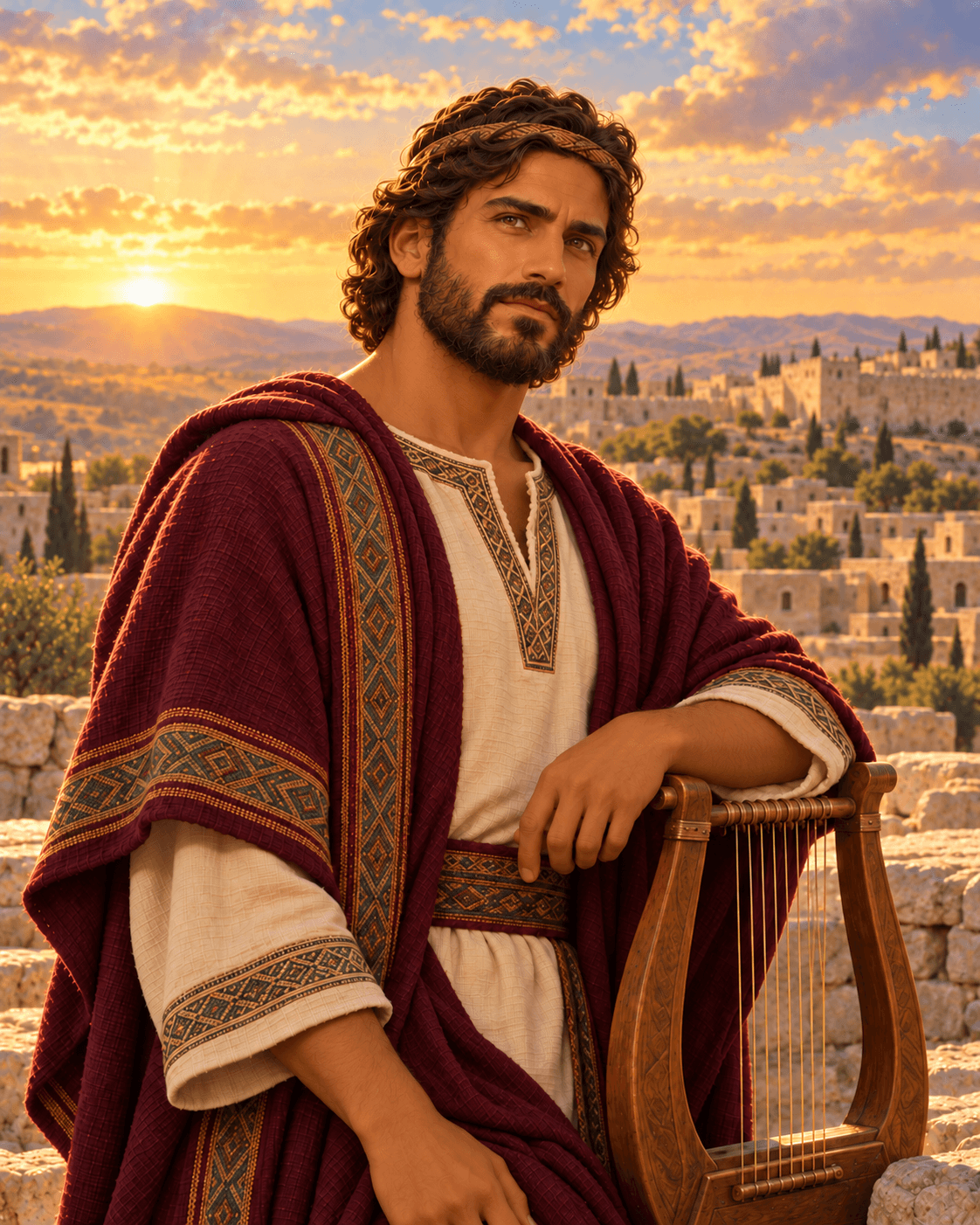 David
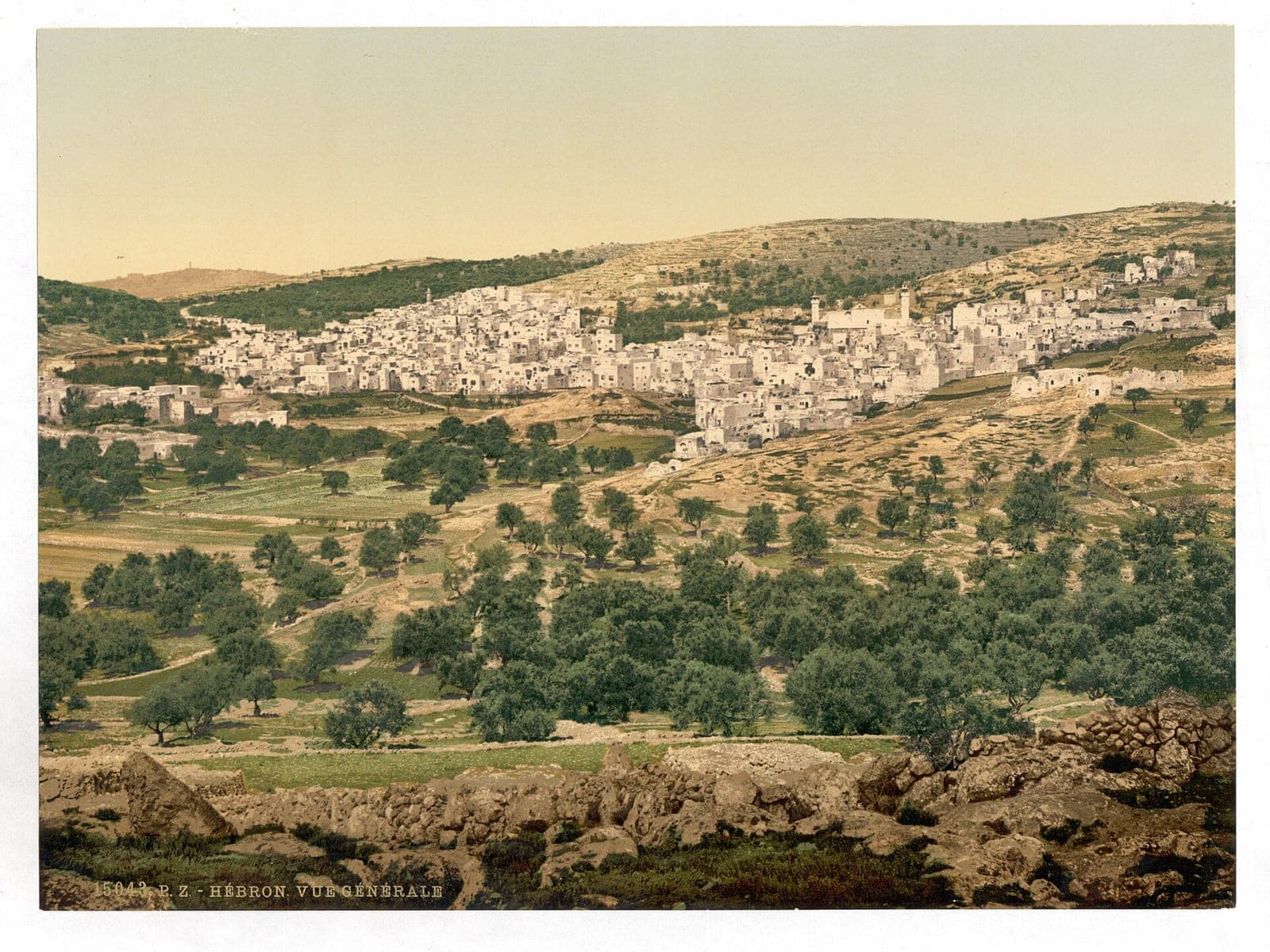
Photo: Photochrom print, Library of Congress Prints and Photographs Division (LCCN 2002724987). License: Public domain in the United States; Library of Congress states no known restrictions on publication. Source. Location: Hebron, West Bank; print preserved by the Library of Congress. Resized for the web.
Explore the places of the Bible
See where biblical events happened, why each place matters, and what archaeology helps us understand.
Hebron
Where Abraham lived and buried Sarah, and where David was first made king.
Get full access with one subscription
Explore the people and places of the Bible. Read summaries of every book, with images and clear explanations covering every chapter. Access all these features and our Bible study tools with one subscription.
See PlansAsk AI about Deuteronomy 22:9
Ask a question about this verse and get a clear answer, with Bible references you can read for yourself.
Every Bible book, explained chapter by chapter
Explore summaries of every book of the Bible, with images and easy-to-understand explanations covering every chapter.
Keep studying Deuteronomy 22:9
Related Bible verses
Related topics
At a Glance — the Book of Deuteronomy
- Author
- Traditionally attributed to Moses
- Written
- Around 1400 BC
- Genre
- Law (Pentateuch)
- Original Audience
- The Israelites about to enter the Promised Land
Frequently Asked Questions
Quick, clear answers about this verse
What does Deuteronomy 22:9 mean?
Deuteronomy 22:9 instructs not to plant different kinds of seeds in a vineyard, symbolizing the importance of maintaining purity and focus in our lives. Mixing seeds can spoil the harvest, just as conflicting influences can disrupt our personal growth.
What is the significance of not mixing seeds in Deuteronomy 22:9?
The significance lies in the principle of intentionality; it teaches us to avoid distractions and conflicting priorities that can hinder our growth. By focusing on what aligns with our values, we can cultivate a more fruitful and harmonious life.
How can I apply Deuteronomy 22:9 to my life?
To apply this verse, reflect on the influences in your life and identify any conflicting priorities. Focus on nurturing what aligns with your true self and aspirations to create a fulfilling and harmonious existence.
What themes are present in Deuteronomy 22:9?
Key themes in Deuteronomy 22:9 include purity, focus, intentionality, consequences, and integrity. These themes encourage us to be mindful of our choices and their impact on our lives.
Daily Verse — straight to your inbox
A verse and a 2-sentence plain-English explanation, every morning. Free. Unsubscribe anytime.