Old Testament
Exodus 26:7
Read the Bible in clear, modern English—easy to understand, faithful to the meaning, and written for everyday readers.
"Next, make a covering for the tabernacle out of goat hair curtains — 11 curtains in all.
Compare translations
And thou shalt make curtains of goats’ hair to be a covering upon the tabernacle: eleven curtains shalt thou make.
What Exodus 26:7 means
Plain-English insight for readers
In this passage, God instructs the Israelites to create a covering for the tabernacle using goat hair curtains. This covering consists of eleven separate curtains, which serve a practical purpose in protecting the sacred space. The use of goat hair indicates durability and strength, essential for withstanding the elements. Each curtain is carefully crafted, symbolizing the importance of attention to detail in worship. The tabernacle itself represents a place where God meets His people, and the covering signifies the separation between the divine and the ordinary. By following these instructions, the Israelites demonstrate their commitment to honoring God and creating a space for His presence. This act of building the tabernacle is not just about physical construction; it reflects their relationship with God and their desire to dwell with Him. The meticulous nature of the design highlights the significance of reverence in worship and the importance of creating a sacred environment.
How to apply Exodus 26:7 to your life
Consider how you create sacred spaces in your life. Whether it's a quiet moment for reflection or a dedicated area for prayer, focus on making it meaningful. Just as the Israelites honored God with their tabernacle, you can honor Him in your daily life by being intentional about your surroundings and actions. This can deepen your relationship with Him and enhance your spiritual journey. Embrace the idea of creating a space that invites connection.
Curated for this public verse page. Exodus Summary
Explore more of the Bible
Learn the Bible through its people and places
Get to know the people in Scripture through illustrated stories, and explore the places where they lived and traveled.

Illustrated scene from Noah's story: Noah Is Born (Genesis 5:28–32)
Meet the people of the Bible
Follow their lives in order, with illustrated scenes and Bible passages that tell their stories.
 Noah
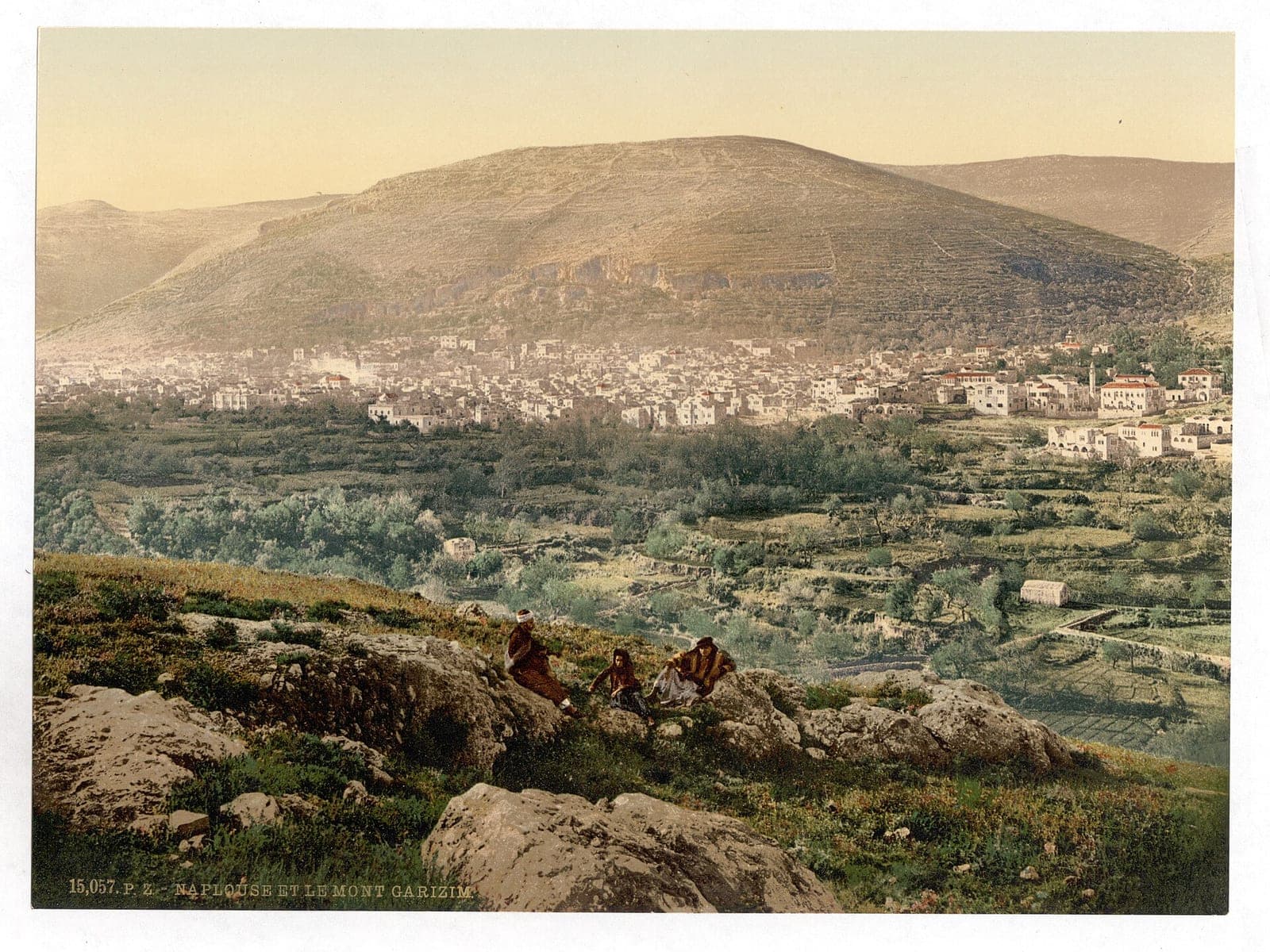
Photo: Photochrom print, Library of Congress Prints and Photographs Division (LCCN 2002725043). License: Public domain in the United States; Library of Congress states no known restrictions on publication. Source. Location: Nablus and Mount Gerizim, West Bank; print preserved by the Library of Congress. Resized for the web.
Explore the places of the Bible
See where biblical events happened, why each place matters, and what archaeology helps us understand.
Shechem
Where God promised the land to Abram, and where Joshua led Israel to renew the covenant.
Get full access with one subscription
Explore the people and places of the Bible. Read summaries of every book, with images and clear explanations covering every chapter. Access all these features and our Bible study tools with one subscription.
See PlansAsk AI about Exodus 26:7
Ask a question about this verse and get a clear answer, with Bible references you can read for yourself.
Every Bible book, explained chapter by chapter
Explore summaries of every book of the Bible, with images and easy-to-understand explanations covering every chapter.
Keep studying Exodus 26:7
Related Bible verses
Key themes
Related topics
At a Glance — the Book of Exodus
- Author
- Traditionally attributed to Moses
- Written
- Around 1400 BC
- Genre
- Law (Pentateuch)
- Original Audience
- The Israelites in the wilderness
Frequently Asked Questions
Quick, clear answers about this verse
What does Exodus 26:7 mean?
Exodus 26:7 describes God's instructions for making a covering for the tabernacle using eleven goat hair curtains. This covering serves to protect the sacred space and symbolizes the importance of creating a dedicated area for worship.
What is the significance of goat hair in Exodus 26:7?
Goat hair is used in Exodus 26:7 for its durability and strength, making it suitable for the tabernacle's covering. This choice reflects the need for a robust material that can withstand various weather conditions.
How many curtains are mentioned in Exodus 26:7?
Exodus 26:7 mentions that there are eleven curtains made of goat hair for the covering of the tabernacle. Each curtain plays a role in forming the protective layer over the sacred space.
What does the tabernacle represent in Exodus 26:7?
In Exodus 26:7, the tabernacle represents a place where God meets His people. The covering signifies the separation between the divine and the ordinary, highlighting the significance of worship.
Daily Verse — straight to your inbox
A verse and a 2-sentence plain-English explanation, every morning. Free. Unsubscribe anytime.