Ezra 2:29
The children of Nebo, fifty-two.
What Ezra 2:29 means
Plain-English insight for readers
In this verse, we learn about a group of people from Nebo who returned from exile. The number of individuals mentioned is 52. This detail, while seemingly small, highlights the importance of each person in the community. Each number represents a life, a story, and a contribution to the rebuilding of their homeland. The return from exile was a significant moment for these individuals, as it symbolized hope and restoration. They were part of a larger movement to reclaim their identity and heritage. The mention of Nebo connects them to their roots, reminding us that our origins shape who we are. This verse encourages us to recognize the value of every individual in a community, as each person plays a role in the collective journey towards healing and renewal. It’s a reminder that even small numbers can represent significant change and progress in the world around us. Every person matters, and their stories are essential to the larger narrative of life and community rebuilding.
How to apply Ezra 2:29 to your life
Reflect on the people in your life and their contributions to your community. Consider how each individual plays a role in shaping your experiences. Embrace the idea that every person matters, and their stories are vital to the collective journey of growth and healing. Celebrate the diversity and uniqueness of those around you. Together, you can create a stronger community and support one another's journeys toward renewal and purpose.
In the King James Version
The children of Nebo, fifty and two.
Ask about this verse
Ask anything about Ezra 2:29 and get a clear answer from Scripture.
Have a question about this verse? Explore it with ClearBible.
Premium answers your questions about any verse from Scripture itself, shows the verses it rests on, and opens Clear on every passage. You also get all 66 book summaries.
7 days free, then $99/year. Card required. Cancel anytime.
Explore more of the Bible
Learn the Bible through its people and places
Get to know the people in Scripture through illustrated stories, and explore the places where they lived and traveled.
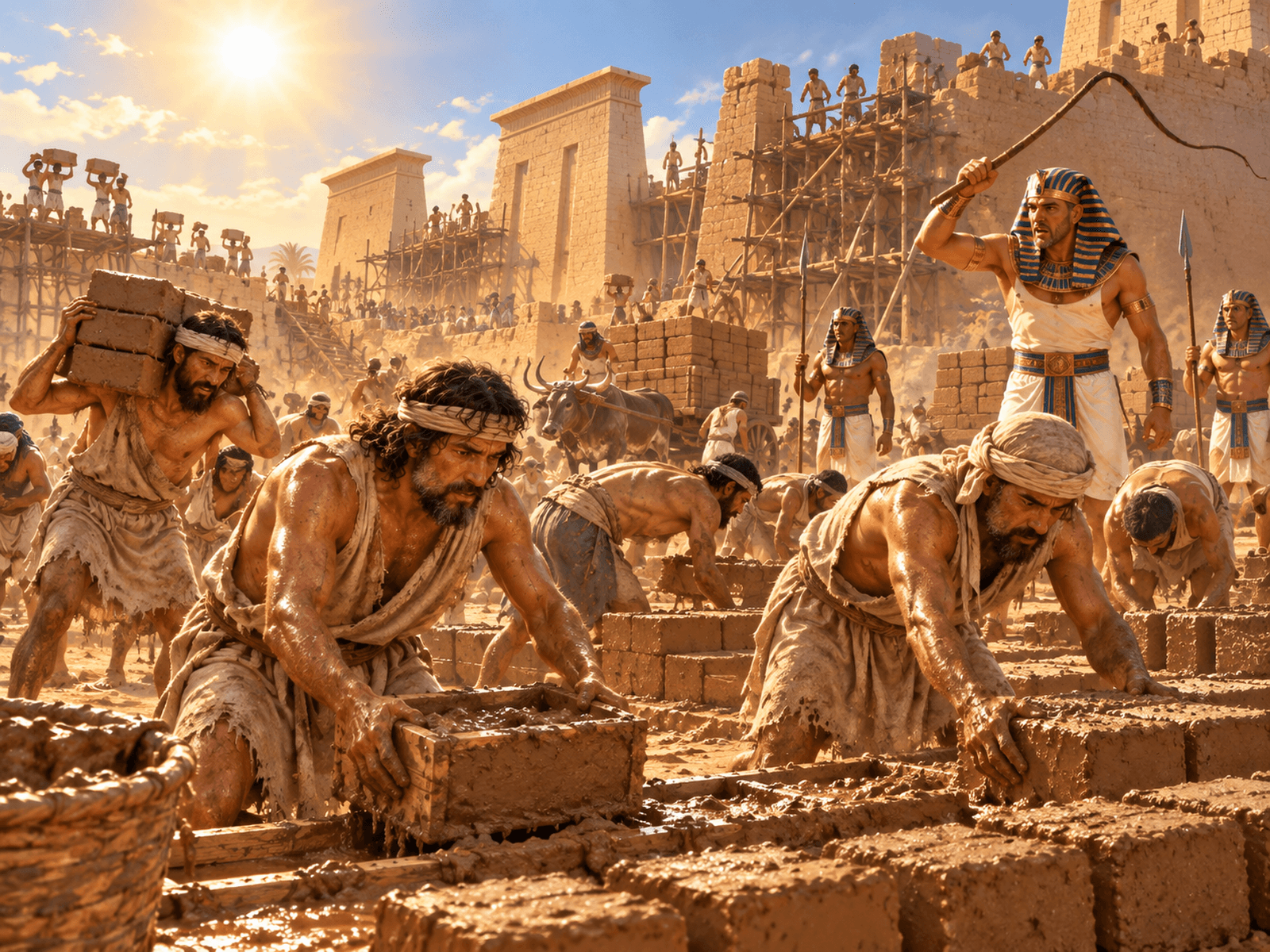
Illustrated scene from Moses's story: Israel Enslaved in Egypt (Exodus 1:8–22)
Meet the people of the Bible
Follow their lives in order, with illustrated scenes and Bible passages that tell their stories.
 Moses
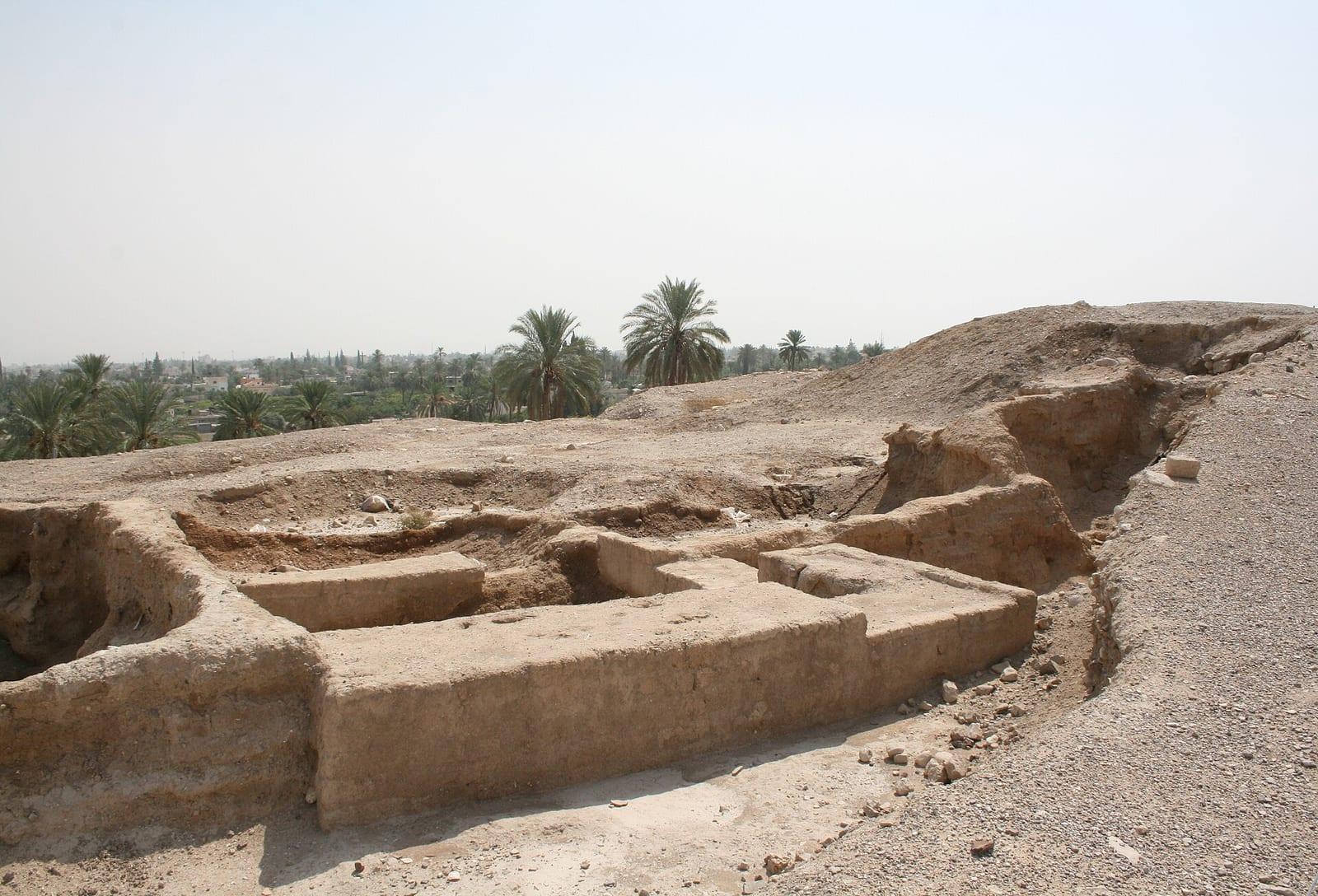
Photo: Diego Delso, via Wikimedia Commons. License: CC BY-SA 3.0. Source. Location: Tell es-Sultan, Jericho, West Bank. Resized for the web.
Explore the places of the Bible
See where biblical events happened, why each place matters, and what archaeology helps us understand.
Jericho
The city of palm trees, whose walls fell in Joshua's day.
Every Bible book, explained chapter by chapter
Explore summaries of every book of the Bible, with images and easy-to-understand explanations covering every chapter.
Keep studying Ezra 2:29
Related Bible verses
Key themes
Related topics
At a Glance — the Book of Ezra
- Author
- Ezra the priest and scribe
- Written
- Around 440 BC
- Genre
- Historical narrative
- Original Audience
- Returning Jewish exiles
Frequently Asked Questions
Quick, clear answers about this verse
What does Ezra 2:29 mean?
Ezra 2:29 refers to a group of 52 people from Nebo who returned from exile. This verse highlights the significance of each individual in the community's effort to rebuild their homeland.
What is the significance of Nebo in Ezra 2:29?
Nebo is mentioned in Ezra 2:29 as the origin of the 52 individuals returning from exile. It connects them to their roots and emphasizes the importance of heritage in shaping identity.
How does Ezra 2:29 relate to community rebuilding?
Ezra 2:29 illustrates that every individual, represented by the number 52, contributes to the collective effort of community rebuilding after exile, emphasizing the value of each person's story.
What themes are present in Ezra 2:29?
The themes in Ezra 2:29 include community, restoration, identity, and hope, highlighting the importance of individuals in the journey towards renewal and reclaiming one's heritage.
Daily Verse — straight to your inbox
A verse and a 2-sentence plain-English explanation, every morning. Free. Unsubscribe anytime.