Old Testament
Genesis 3:7
Read the Bible in clear, modern English—easy to understand, faithful to the meaning, and written for everyday readers.
Then the eyes of both of them were opened, and they realized they were naked; so they sewed fig leaves together and made coverings for themselves.
Compare translations
And the eyes of them both were opened, and they knew that they were naked; and they sewed fig leaves together, and made themselves aprons.
What Genesis 3:7 means
Plain-English insight for readers
In this moment, Adam and Eve experienced a profound change. Their eyes were opened, and they suddenly became aware of their vulnerability. They realized they were naked, which brought feelings of shame and fear. To cover themselves, they quickly sewed fig leaves together, creating makeshift garments. This act symbolizes their loss of innocence and the beginning of their struggle with self-awareness. They moved from a state of pure existence to one filled with guilt and the need to hide. This pivotal moment marks the transition from innocence to a more complicated reality, where they felt the need to protect themselves from judgment and exposure. Their actions reflect a deep human instinct to cover up our flaws and insecurities, often leading us to make choices that distance us from our true selves and from each other. This story illustrates the complexities of human nature and the consequences of our choices, highlighting the importance of honesty and vulnerability in our relationships.
How to apply Genesis 3:7 to your life
Recognizing our vulnerabilities can be uncomfortable, but it's essential for growth. Instead of hiding our flaws, we should embrace them and seek connection with others. Open conversations about our struggles can lead to deeper relationships and a more authentic life. Remember, everyone has insecurities; sharing them can foster understanding and support among friends and family. We are not alone in our experiences, and honesty can be liberating.
Curated for this public verse page. Genesis Summary
Learn the Bible through its people and places
Get to know the people in Scripture through illustrated stories, and explore the places where they lived and traveled.
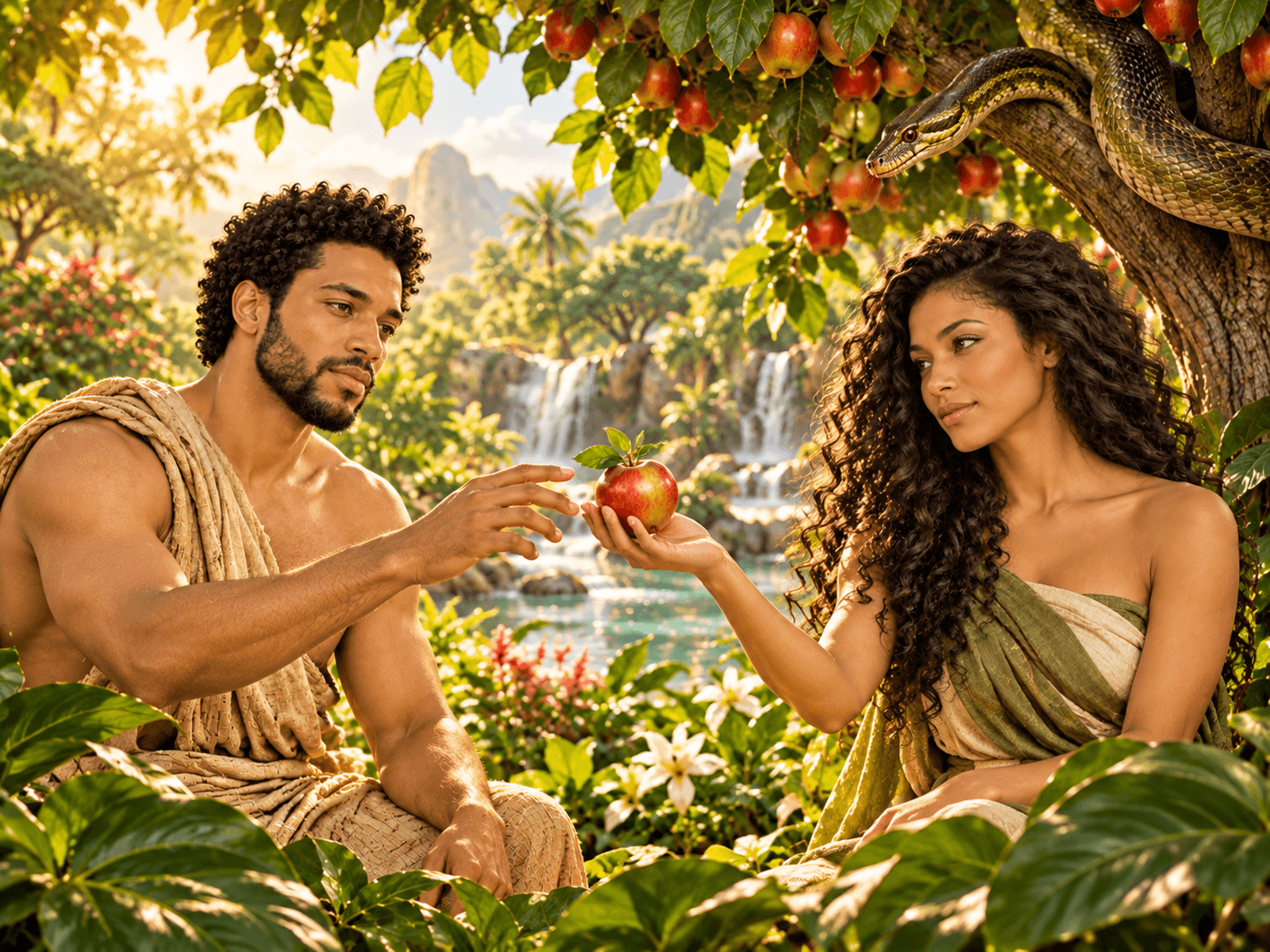
Illustrated scene from Adam's story: The Forbidden Fruit (Genesis 3:1–7)
Meet the people of the Bible
Follow their lives in order, with illustrated scenes and Bible passages that tell their stories.
 Adam

Photo: U.S. Army photo by Spc. Samantha R. Ciaramitaro, via DVIDS and Wikimedia Commons. License: Public domain in the United States — U.S. federal-government work. Source. Location: Great Ziggurat, Ur Archaeological City (Tell el-Mukayyar), Dhi Qar Governorate, Iraq. Resized for the web.
Explore the places of the Bible
See where biblical events happened, why each place matters, and what archaeology helps us understand.
Ur
The city Abram's family left to travel toward Canaan.
Get full access with one subscription
Explore the people and places of the Bible. Read summaries of every book, with images and clear explanations covering every chapter. Access all these features and our Bible study tools with one subscription.
See PlansAsk AI about Genesis 3:7
Ask a question about this verse and get a clear answer, with Bible references you can read for yourself.
Every Bible book, explained chapter by chapter
Explore summaries of every book of the Bible, with images and easy-to-understand explanations covering every chapter.
Keep studying Genesis 3:7
Related Bible verses
Related topics
At a Glance — the Book of Genesis
- Author
- Traditionally attributed to Moses
- Written
- Around 1400 BC
- Genre
- Law (Pentateuch)
- Original Audience
- The Israelites in the wilderness
Frequently Asked Questions
Quick, clear answers about this verse
What does Genesis 3:7 mean?
Genesis 3:7 describes the moment Adam and Eve became aware of their nakedness after eating the forbidden fruit. This awareness symbolizes their loss of innocence and the onset of shame, leading them to cover themselves with fig leaves.
What is the significance of fig leaves in Genesis 3:7?
Fig leaves in Genesis 3:7 represent Adam and Eve's attempt to hide their vulnerability and shame after realizing they were naked. This act of sewing leaves together illustrates the human instinct to cover flaws and seek protection from judgment.
What themes are present in Genesis 3:7?
Genesis 3:7 highlights themes of awareness, shame, vulnerability, and the loss of innocence. It illustrates the human tendency to protect oneself and the complexities that arise from self-awareness.
How does Genesis 3:7 relate to human nature?
Genesis 3:7 reflects fundamental aspects of human nature, such as the experience of shame and the desire for self-protection. It shows how awareness of our flaws can lead to feelings of insecurity and the instinct to hide from others.
Daily Verse — straight to your inbox
A verse and a 2-sentence plain-English explanation, every morning. Free. Unsubscribe anytime.