Old Testament
Genesis 4:20
Read the Bible in clear, modern English—easy to understand, faithful to the meaning, and written for everyday readers.
Adah gave birth to Jabal; he was the ancestor of those who live in tents and have livestock.
Compare translations
And Adah bare Jabal: he was the father of such as dwell in tents, and of such as have cattle.
What Genesis 4:20 means
Plain-English insight for readers
In this verse, we learn about Jabal, the son of Adah. He is recognized as the ancestor of people who live in tents and raise livestock. This indicates the beginning of a lifestyle that revolves around herding and nomadic living. Jabal's legacy is significant because it highlights the development of agriculture and animal husbandry, which are crucial for human survival and community building. Living in tents suggests a mobile way of life, adapting to the environment and following herds. This verse shows how families and communities can evolve, creating new ways of living and working together. Jabal's contribution is a reminder of the importance of innovation and adaptation in human history. His story encourages us to appreciate the roots of our modern lifestyles, which often stem from these early practices of living and working with the land and animals. Jabal's legacy continues to influence how we interact with nature and each other today, emphasizing the interconnectedness of our lives.
How to apply Genesis 4:20 to your life
Consider how your own lifestyle reflects the values of community and innovation. Just as Jabal's family adapted to their environment, think about how you can embrace change in your life. Whether it's in your work or personal relationships, being open to new ways of living can lead to growth and fulfillment. Embrace your roots while also looking forward to new possibilities!
Curated for this public verse page. Genesis Summary
Learn the Bible through its people and places
Get to know the people in Scripture through illustrated stories, and explore the places where they lived and traveled.
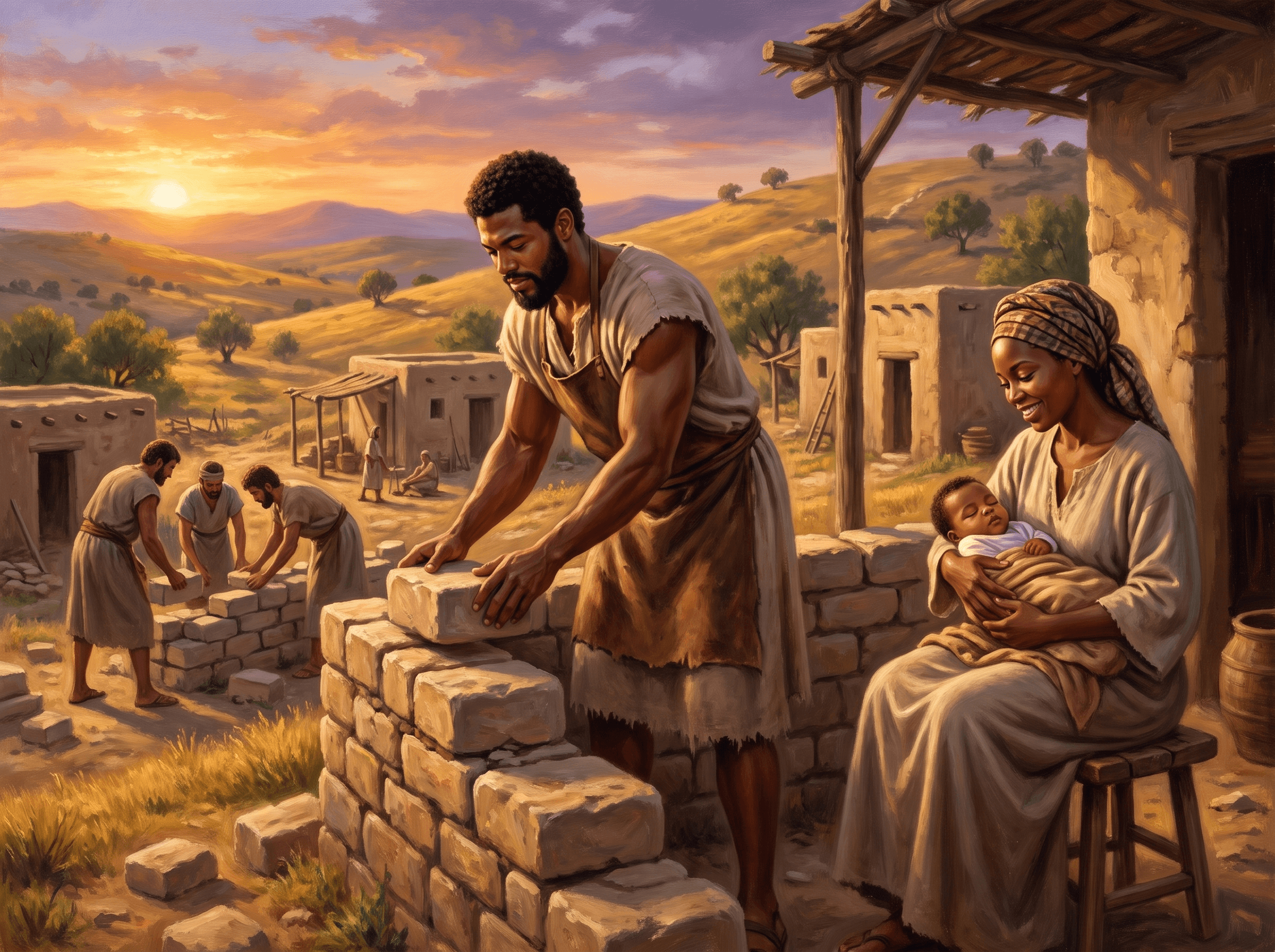
Illustrated scene from Cain's story: Cain's City and Family Line (Genesis 4:17–24)
Meet the people of the Bible
Follow their lives in order, with illustrated scenes and Bible passages that tell their stories.
 Cain

Photo: Bukvoed, via Wikimedia Commons. License: CC BY 4.0. Source. Location: Burj Beitin, Beitin, Ramallah and al-Bireh Governorate, West Bank. Resized for the web.
Explore the places of the Bible
See where biblical events happened, why each place matters, and what archaeology helps us understand.
Bethel
Where Jacob dreamed of a stairway to heaven and met God.
Get full access with one subscription
Explore the people and places of the Bible. Read summaries of every book, with images and clear explanations covering every chapter. Access all these features and our Bible study tools with one subscription.
See PlansAsk AI about Genesis 4:20
Ask a question about this verse and get a clear answer, with Bible references you can read for yourself.
Every Bible book, explained chapter by chapter
Explore summaries of every book of the Bible, with images and easy-to-understand explanations covering every chapter.
Keep studying Genesis 4:20
Related Bible verses
Key themes
At a Glance — the Book of Genesis
- Author
- Traditionally attributed to Moses
- Written
- Around 1400 BC
- Genre
- Law (Pentateuch)
- Original Audience
- The Israelites in the wilderness
Frequently Asked Questions
Quick, clear answers about this verse
What does Genesis 4:20 mean?
Genesis 4:20 introduces Jabal, the son of Adah, as the ancestor of those who live in tents and raise livestock. This verse highlights the beginnings of a nomadic lifestyle centered around herding, showcasing the importance of adaptation and innovation in early human communities.
What is the significance of Jabal in Genesis 4:20?
Jabal is significant because he represents the development of a lifestyle focused on herding and living in tents. His legacy reflects the evolution of agriculture and animal husbandry, which are essential for community building and survival.
What does 'dwell in tents' mean in Genesis 4:20?
'Dwell in tents' refers to a nomadic way of living where people move frequently, often in search of pastures for their livestock. This lifestyle indicates adaptability to the environment and a connection to the land.
How does Genesis 4:20 relate to community and innovation?
Genesis 4:20 illustrates how Jabal's family adapted to their surroundings, leading to new ways of living and working together. This verse emphasizes the importance of community and innovation in shaping human history.
Daily Verse — straight to your inbox
A verse and a 2-sentence plain-English explanation, every morning. Free. Unsubscribe anytime.