Old Testament
Isaiah 56:3
Read the Bible in clear, modern English—easy to understand, faithful to the meaning, and written for everyday readers.
No foreigner who has committed himself to the LORD should say, "The LORD will certainly exclude me from his people." And no eunuch should say, "I'm nothing but a dry tree."
Compare translations
Neither let the son of the stranger, that hath joined himself to the LORD, speak, saying, The LORD hath utterly separated me from his people: neither let the eunuch say, Behold, I am a dry tree.
What Isaiah 56:3 means
Plain-English insight for readers
In Isaiah 56:3, God reassures those who feel marginalized, specifically foreigners and eunuchs, that they are not excluded from His people. The verse emphasizes that commitment to the Lord is what truly matters, not one's background or physical condition. Foreigners, often seen as outsiders, are welcomed into God's family, and eunuchs, who may feel incomplete or unworthy, are reminded that they have a place in God's plan. This passage highlights God's inclusive nature and His desire for all to be part of His community, regardless of societal labels or limitations. It encourages individuals to embrace their identity in God and to reject feelings of inadequacy or exclusion. The message is clear: God's love and acceptance extend to everyone who seeks Him, affirming their value and purpose in His eyes.
How to apply Isaiah 56:3 to your life
This verse encourages us to embrace all people, regardless of their background or circumstances. We should actively include those who feel excluded and remind them of their worth in God's eyes. Our communities should reflect God's love and acceptance, fostering an environment where everyone feels valued.
Curated for this public verse page. Isaiah Summary
Explore more of the Bible
Learn the Bible through its people and places
Get to know the people in Scripture through illustrated stories, and explore the places where they lived and traveled.

Illustrated scene from Ruth's story: Three Widows (Ruth 1:1–5)
Meet the people of the Bible
Follow their lives in order, with illustrated scenes and Bible passages that tell their stories.
 Ruth
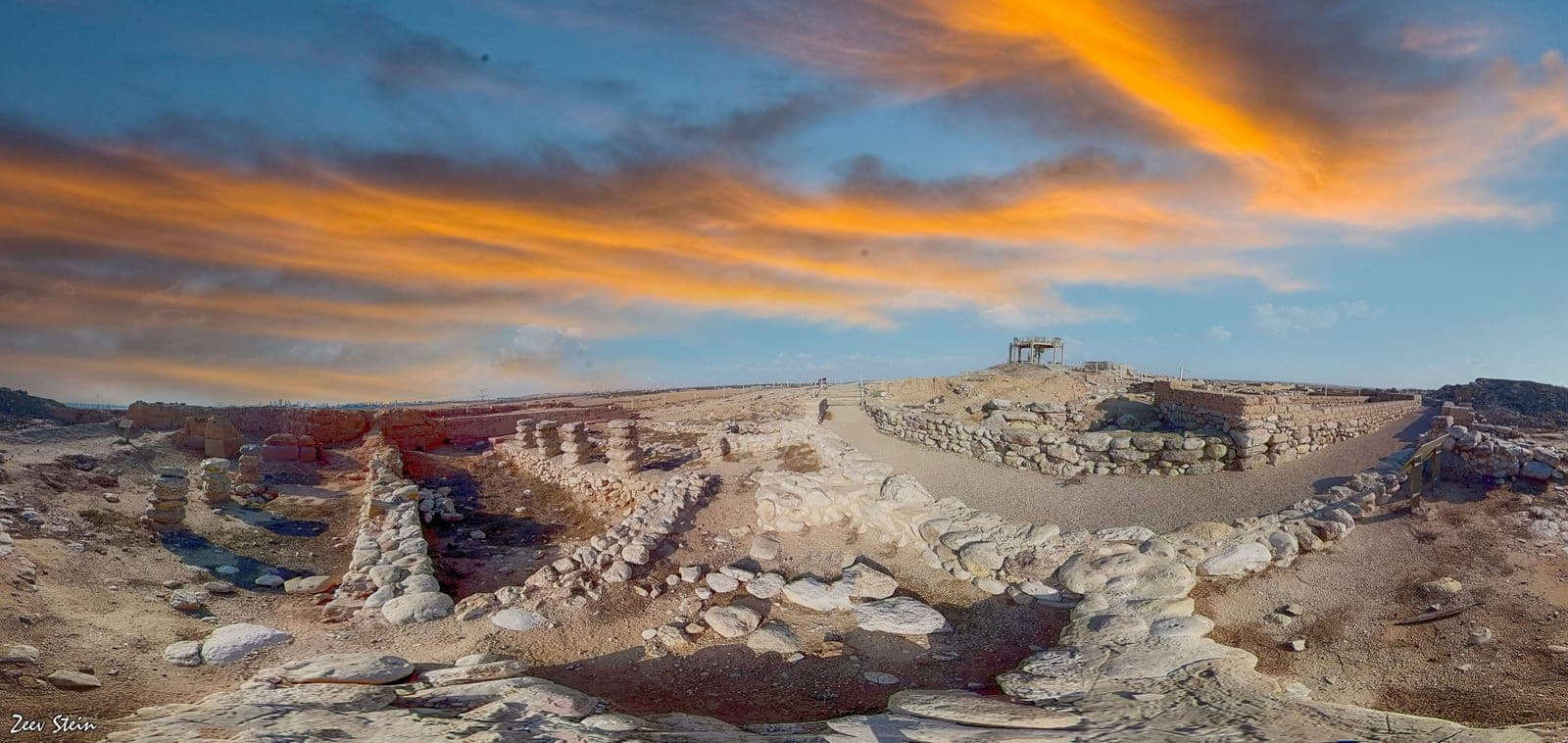
Photo: Zeev Stein / PikiWiki Israel, via Wikimedia Commons. License: CC BY 2.5. Source. Location: Tel Beer Sheva National Park, Israel. Resized for the web.
Explore the places of the Bible
See where biblical events happened, why each place matters, and what archaeology helps us understand.
Beersheba
Where Abraham and Isaac dug wells and worshiped the LORD, at the southern edge of the land.
Get full access with one subscription
Explore the people and places of the Bible. Read summaries of every book, with images and clear explanations covering every chapter. Access all these features and our Bible study tools with one subscription.
See PlansAsk AI about Isaiah 56:3
Ask a question about this verse and get a clear answer, with Bible references you can read for yourself.
Every Bible book, explained chapter by chapter
Explore summaries of every book of the Bible, with images and easy-to-understand explanations covering every chapter.
Keep studying Isaiah 56:3
Related Bible verses
Key themes
Related topics
At a Glance — the Book of Isaiah
- Author
- Isaiah the prophet
- Written
- Around 700 BC
- Genre
- Prophecy
- Original Audience
- Judah and the surrounding nations
Frequently Asked Questions
Quick, clear answers about this verse
What does Isaiah 56:3 mean?
Isaiah 56:3 conveys that God welcomes everyone, including foreigners and eunuchs, into His community. It reassures those who feel marginalized that their commitment to the Lord is what truly matters, not their background or status.
What is the significance of eunuchs in Isaiah 56:3?
In Isaiah 56:3, eunuchs represent those who may feel incomplete or unworthy. The verse assures them that they are not excluded from God's people and have a valued place in His plan.
How does Isaiah 56:3 relate to inclusion?
Isaiah 56:3 highlights God's inclusive nature by affirming that all individuals, regardless of their background or circumstances, are welcomed into His family. It emphasizes that everyone has a place in God's community.
What does 'dry tree' mean in Isaiah 56:3?
The term 'dry tree' in Isaiah 56:3 symbolizes feelings of barrenness or worthlessness, particularly for eunuchs. The verse reassures them that they are not defined by these feelings and are valued by God.
Daily Verse — straight to your inbox
A verse and a 2-sentence plain-English explanation, every morning. Free. Unsubscribe anytime.