New Testament
John 12:24
Read the Bible in clear, modern English—easy to understand, faithful to the meaning, and written for everyday readers.
"Truly, truly, I tell you, unless a grain of wheat falls into the ground and dies, it remains alone. But if it dies, it produces much fruit."
Compare translations
Verily, verily, I say unto you, Except a corn of wheat fall into the ground and die, it abideth alone: but if it die, it bringeth forth much fruit.
What John 12:24 means
Plain-English insight for readers
In this verse, Jesus uses the metaphor of a grain of wheat to illustrate a profound spiritual truth. He emphasizes that for a seed to fulfill its potential and produce a bountiful harvest, it must first be buried in the ground and die. This symbolizes the necessity of sacrifice and transformation. Jesus is foreshadowing His own death, indicating that through His sacrifice, He will bring forth a multitude of believers, much like a seed that, once it dies, grows into a fruitful plant. The message highlights the paradox of life: true growth and abundance often come through loss and surrender. It encourages believers to embrace the idea that personal sacrifice can lead to greater spiritual fruitfulness and community growth.
How to apply John 12:24 to your life
This verse challenges us to consider what we might need to let go of in our lives to experience true growth. It encourages us to embrace sacrifice for the sake of others and to trust that our efforts can lead to greater outcomes in our communities and relationships.
Curated for this public verse page. John Summary
Explore more of the Bible
Learn the Bible through its people and places
Get to know the people in Scripture through illustrated stories, and explore the places where they lived and traveled.
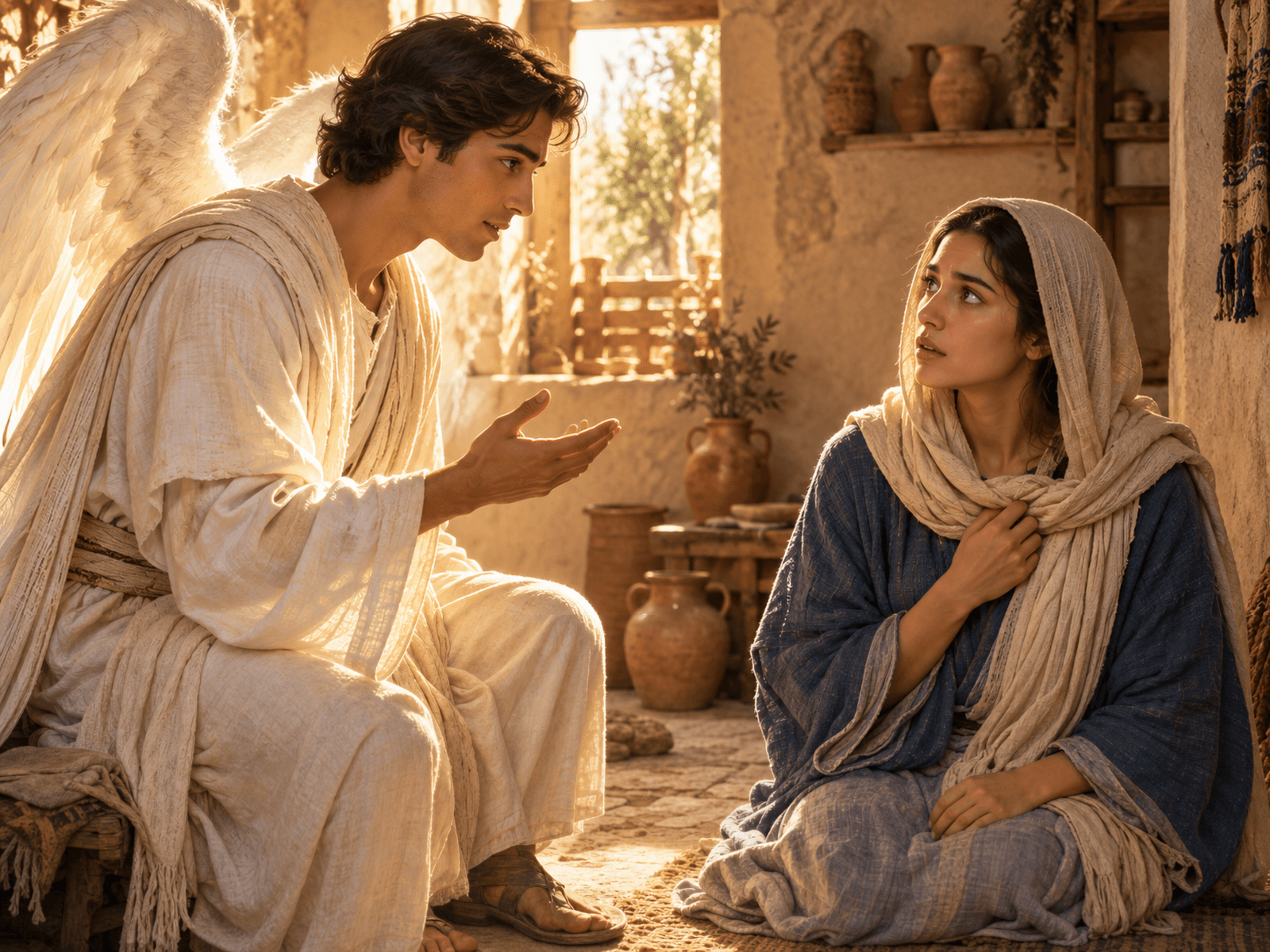
Illustrated scene from Jesus's story: An Angel Visits Mary (Luke 1:26–38)
Meet the people of the Bible
Follow their lives in order, with illustrated scenes and Bible passages that tell their stories.
 Jesus
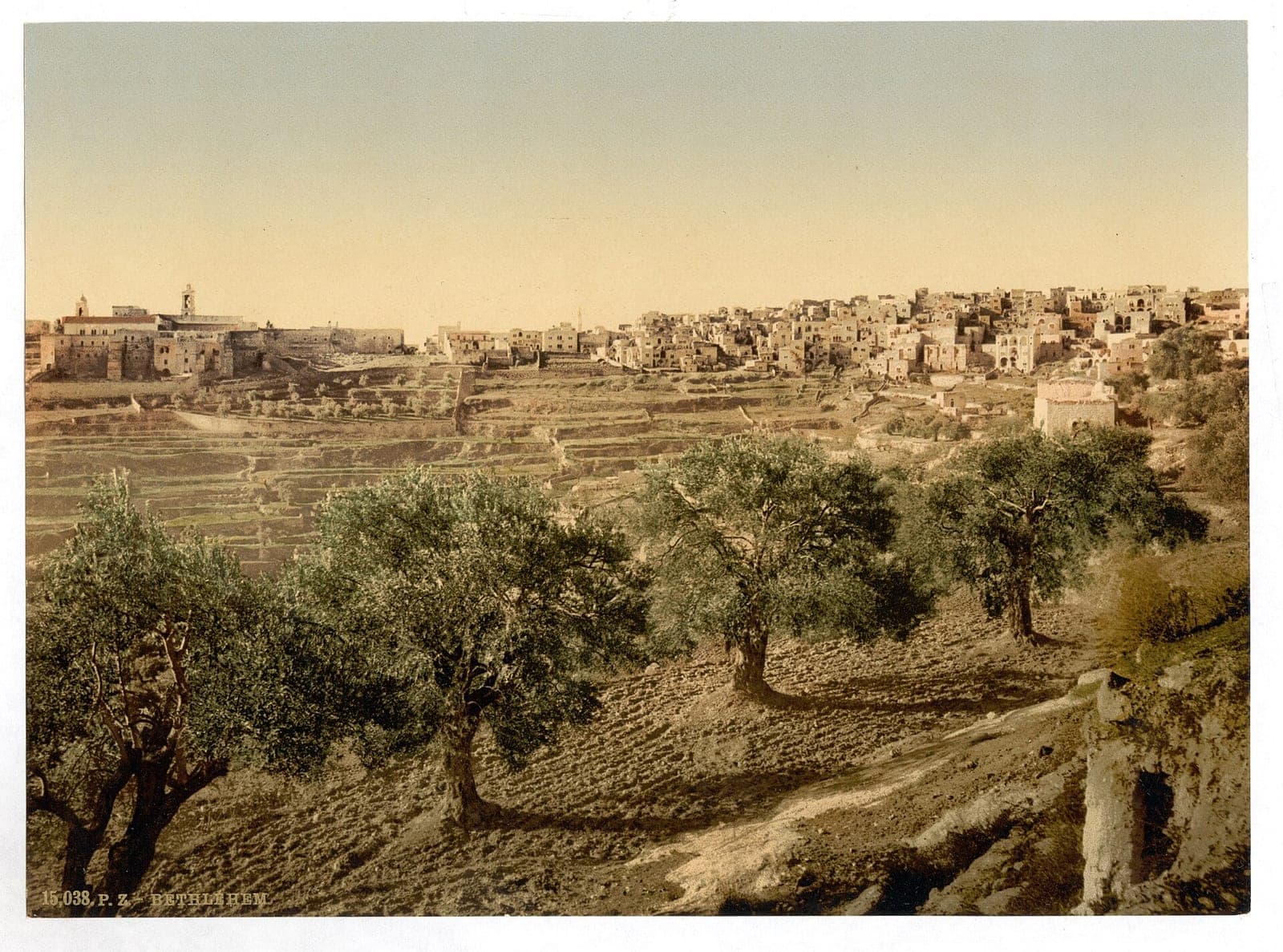
Photo: Photochrom print, Library of Congress Prints and Photographs Division (LCCN 2002724966). License: Public domain in the United States; Library of Congress states no known restrictions on publication. Source. Location: Bethlehem, West Bank; print preserved by the Library of Congress. Resized for the web.
Explore the places of the Bible
See where biblical events happened, why each place matters, and what archaeology helps us understand.
Bethlehem
David's hometown, and the town where Jesus was born.
Get full access with one subscription
Explore the people and places of the Bible. Read summaries of every book, with images and clear explanations covering every chapter. Access all these features and our Bible study tools with one subscription.
See PlansAsk AI about John 12:24
Ask a question about this verse and get a clear answer, with Bible references you can read for yourself.
Every Bible book, explained chapter by chapter
Explore summaries of every book of the Bible, with images and easy-to-understand explanations covering every chapter.
Keep studying John 12:24
Related Bible verses
Key themes
Related topics
At a Glance — the Book of John
- Author
- John the apostle
- Written
- Around AD 85-95
- Genre
- Gospel
- Original Audience
- All believers
Frequently Asked Questions
Quick, clear answers about this verse
What does John 12:24 mean?
John 12:24 uses the metaphor of a grain of wheat to illustrate that true growth and fruitfulness come through sacrifice. Jesus indicates that His impending death will lead to a greater spiritual harvest, symbolizing how personal sacrifice can lead to significant outcomes.
What is the significance of the grain of wheat in John 12:24?
The grain of wheat represents the idea that something must die or be sacrificed for new life to emerge. In this context, it foreshadows Jesus' own death and the resulting growth of His followers, emphasizing the importance of transformation through loss.
How does John 12:24 relate to personal sacrifice?
John 12:24 highlights that personal sacrifice is often necessary for greater spiritual growth and community benefit. It encourages individuals to consider what they might need to let go of to foster deeper connections and fruitful outcomes in their lives.
What themes are present in John 12:24?
Key themes in John 12:24 include sacrifice, transformation, spiritual growth, and the paradox of life where true abundance often arises from loss. The verse encapsulates the idea that death can lead to new beginnings and fruitful outcomes.
Daily Verse — straight to your inbox
A verse and a 2-sentence plain-English explanation, every morning. Free. Unsubscribe anytime.