New Testament
John 12:4
Read the Bible in clear, modern English—easy to understand, faithful to the meaning, and written for everyday readers.
But one of his disciples, Judas Iscariot, the son of Simon — the one who would later betray him — said,
Compare translations
Then saith one of his disciples, Judas Iscariot, Simon’s son, which should betray him,
What John 12:4 means
Plain-English insight for readers
In this verse, we see Judas Iscariot, one of Jesus' twelve disciples, identified as the one who would betray Him. This moment highlights the tension within Jesus' inner circle, as Judas, despite being a close follower, would ultimately turn against Him. The mention of Judas as the son of Simon emphasizes his human background, reminding us that even those closest to Jesus can falter. This verse sets the stage for the events leading to Jesus' crucifixion, illustrating the theme of betrayal and the complexities of loyalty among His followers. Judas' actions serve as a warning about the dangers of greed and disloyalty, as he was motivated by financial gain rather than true devotion to Jesus. This moment foreshadows the significant role Judas will play in the unfolding narrative of Jesus' passion, making it a pivotal point in the Gospel.
How to apply John 12:4 to your life
This verse encourages us to reflect on our own loyalties and motivations. Just as Judas struggled with greed, we must examine our hearts to ensure that our actions align with our faith. It serves as a reminder to prioritize our commitment to Christ over worldly temptations.
Curated for this public verse page. John Summary
Learn the Bible through its people and places
Get to know the people in Scripture through illustrated stories, and explore the places where they lived and traveled.

Illustrated scene from Jesus's story: Mary Anoints Jesus at Bethany (John 12:1–8)
Meet the people of the Bible
Follow their lives in order, with illustrated scenes and Bible passages that tell their stories.
 Jesus
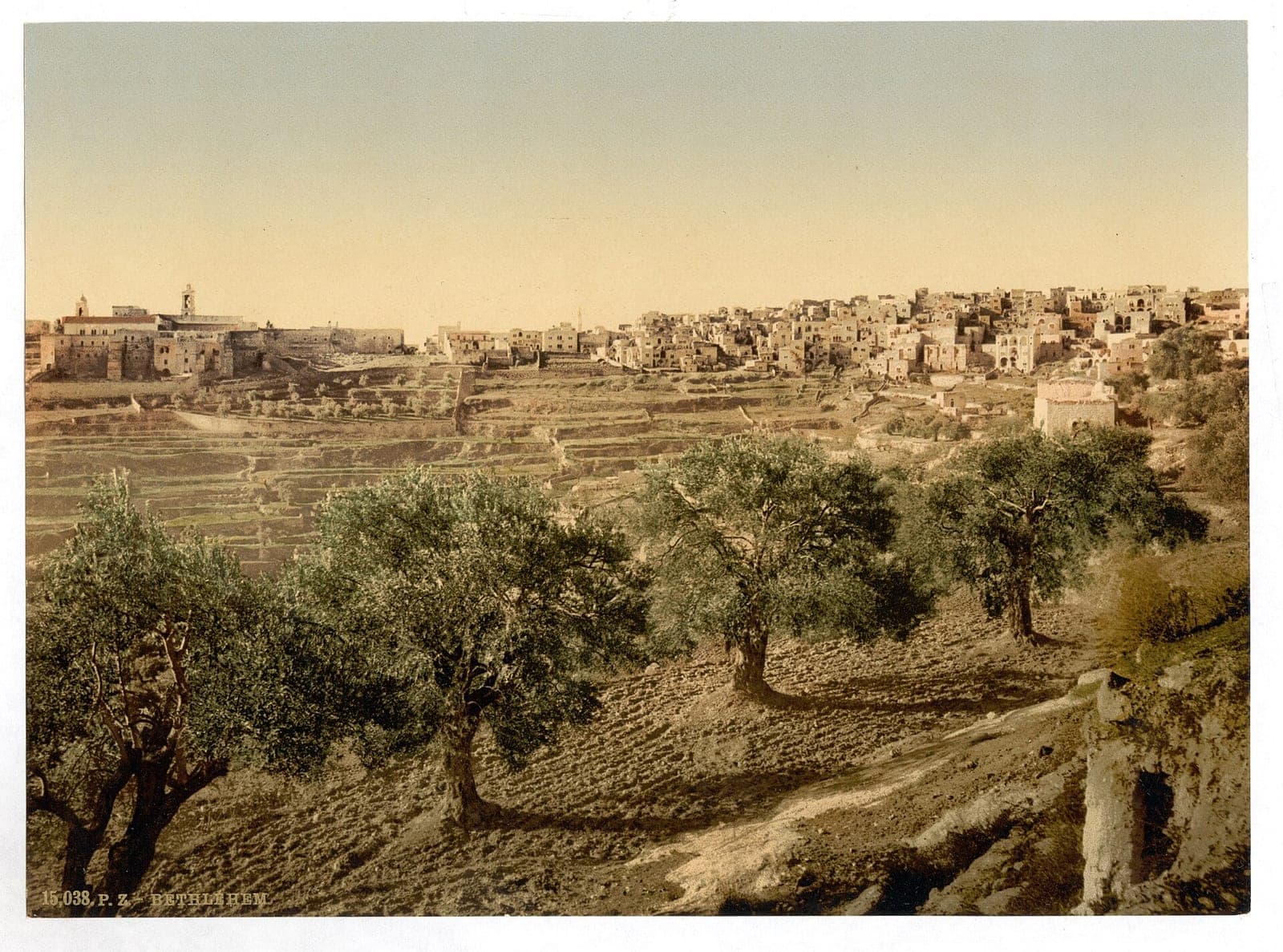
Photo: Photochrom print, Library of Congress Prints and Photographs Division (LCCN 2002724966). License: Public domain in the United States; Library of Congress states no known restrictions on publication. Source. Location: Bethlehem, West Bank; print preserved by the Library of Congress. Resized for the web.
Explore the places of the Bible
See where biblical events happened, why each place matters, and what archaeology helps us understand.
Bethlehem
David's hometown, and the town where Jesus was born.
Get full access with one subscription
Explore the people and places of the Bible. Read summaries of every book, with images and clear explanations covering every chapter. Access all these features and our Bible study tools with one subscription.
See PlansAsk AI about John 12:4
Ask a question about this verse and get a clear answer, with Bible references you can read for yourself.
Every Bible book, explained chapter by chapter
Explore summaries of every book of the Bible, with images and easy-to-understand explanations covering every chapter.
Keep studying John 12:4
Related Bible verses
Related topics
At a Glance — the Book of John
- Author
- John the apostle
- Written
- Around AD 85-95
- Genre
- Gospel
- Original Audience
- All believers
Frequently Asked Questions
Quick, clear answers about this verse
What does John 12:4 mean?
John 12:4 identifies Judas Iscariot as the disciple who would betray Jesus. This highlights the inner conflict among Jesus' followers and foreshadows the betrayal that leads to Jesus' crucifixion.
Who is Judas Iscariot in John 12:4?
Judas Iscariot is one of the twelve disciples of Jesus, known for betraying Him. His mention in this verse emphasizes the theme of loyalty and betrayal within Jesus' close circle.
What themes are present in John 12:4?
Key themes in John 12:4 include betrayal, loyalty, greed, and the complexities of discipleship. This verse illustrates the human nature of the disciples and the challenges they faced.
How does John 12:4 relate to the story of Jesus' crucifixion?
John 12:4 sets the stage for the events leading to Jesus' crucifixion by introducing Judas as the betrayer. It highlights the tension and impending betrayal that are central to the passion narrative.
Daily Verse — straight to your inbox
A verse and a 2-sentence plain-English explanation, every morning. Free. Unsubscribe anytime.