Old Testament
Jonah 2:8
Read the Bible in clear, modern English—easy to understand, faithful to the meaning, and written for everyday readers.
Those who hold on to deceptive illusions abandon their own mercy.
Compare translations
They that observe lying vanities forsake their own mercy.
What Jonah 2:8 means
Plain-English insight for readers
In Jonah 2:8, the verse highlights a critical truth about the consequences of clinging to false beliefs or empty pursuits. Those who focus on deceptive illusions—things that promise fulfillment but ultimately lead to disappointment—are neglecting the mercy and grace that could be theirs. This abandonment of mercy can lead to spiritual and emotional turmoil. The verse serves as a reminder that true mercy comes from God, and when we chase after lies or distractions, we miss out on the genuine compassion and help that God offers. It encourages self-reflection on what we prioritize in our lives and warns against the dangers of idolatry, whether it be materialism, false ideologies, or any other distractions that pull us away from God’s truth and mercy.
How to apply Jonah 2:8 to your life
To apply this verse, take time to evaluate what you are pursuing in life. Are there any deceptive illusions that you are holding onto? Consider letting go of these distractions and instead focus on seeking God’s mercy and truth. This shift can lead to a more fulfilling and peaceful life.
Curated for this public verse page. Jonah Summary
Learn the Bible through its people and places
Get to know the people in Scripture through illustrated stories, and explore the places where they lived and traveled.
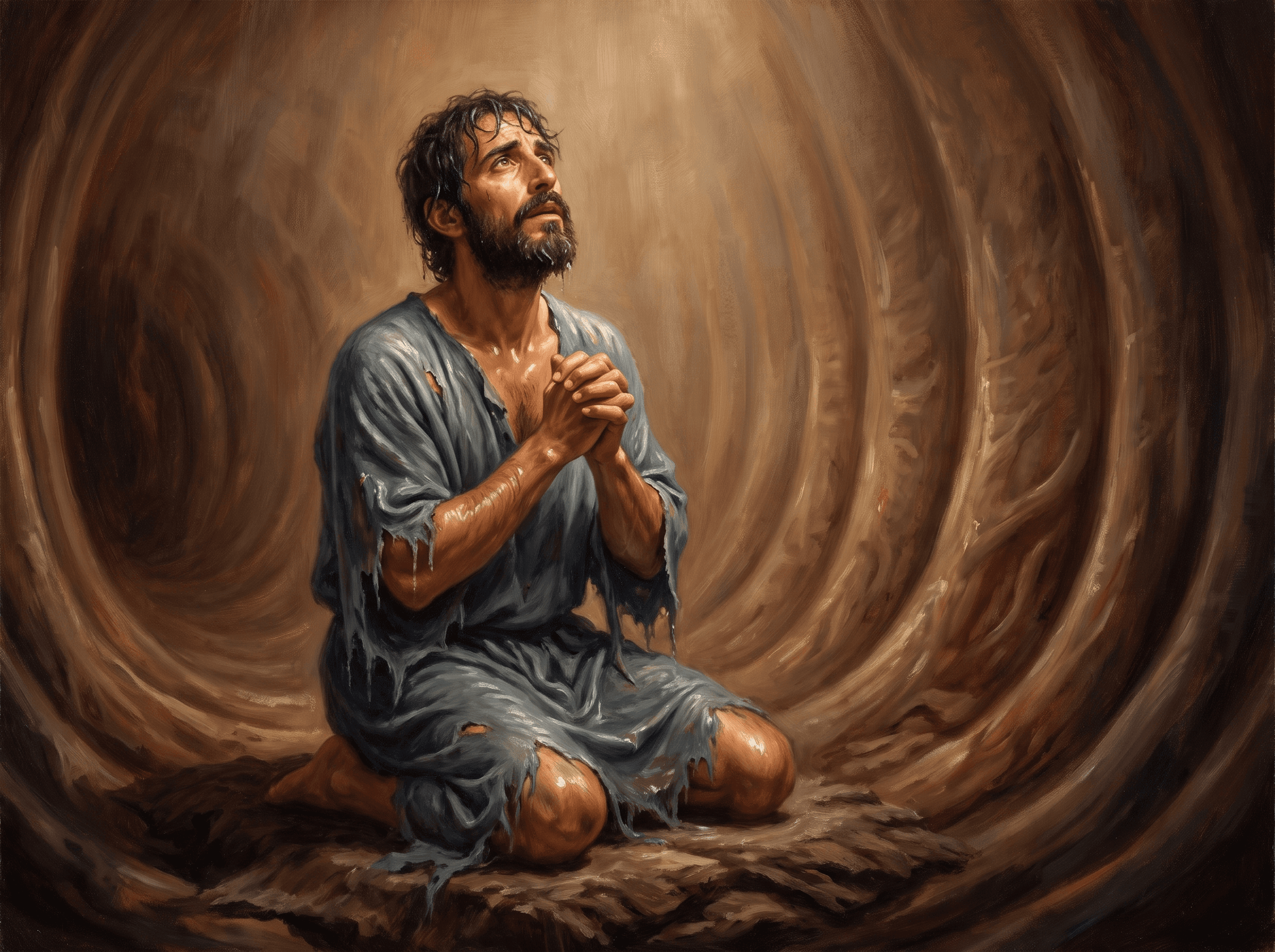
Illustrated scene from Jonah's story: Inside the Great Fish (Jonah 1:17–2:10)
Meet the people of the Bible
Follow their lives in order, with illustrated scenes and Bible passages that tell their stories.
 Jonah

Photo: Photochrom print, Library of Congress Prints and Photographs Division (LCCN 2002724987). License: Public domain in the United States; Library of Congress states no known restrictions on publication. Source. Location: Hebron, West Bank; print preserved by the Library of Congress. Resized for the web.
Explore the places of the Bible
See where biblical events happened, why each place matters, and what archaeology helps us understand.
Hebron
Where Abraham lived and buried Sarah, and where David was first made king.
Get full access with one subscription
Explore the people and places of the Bible. Read summaries of every book, with images and clear explanations covering every chapter. Access all these features and our Bible study tools with one subscription.
See PlansAsk AI about Jonah 2:8
Ask a question about this verse and get a clear answer, with Bible references you can read for yourself.
Every Bible book, explained chapter by chapter
Explore summaries of every book of the Bible, with images and easy-to-understand explanations covering every chapter.
Keep studying Jonah 2:8
Related Bible verses
At a Glance — the Book of Jonah
- Author
- Traditionally attributed to Jonah
- Written
- Around 760 BC
- Genre
- Prophetic narrative
- Original Audience
- Israelites and Gentile nations
Frequently Asked Questions
Quick, clear answers about this verse
What does Jonah 2:8 mean by 'deceptive illusions'?
In Jonah 2:8, 'deceptive illusions' refers to false beliefs or empty pursuits that promise satisfaction but ultimately lead to disappointment. These can include materialism, false ideologies, or distractions that divert us from God's truth. The verse warns against investing our time and energy in things that do not bring true fulfillment or mercy.
How can I identify 'lying vanities' in my life?
To identify 'lying vanities,' reflect on what you prioritize in your life. Ask yourself if your pursuits bring lasting joy or if they are temporary distractions. Consider whether these pursuits align with God's teachings and if they lead you closer to His mercy. Journaling your thoughts or discussing them with a trusted friend can also help clarify what might be misleading.
What is the significance of mercy in Jonah 2:8?
Mercy in Jonah 2:8 signifies the compassion and grace that God offers to those who seek Him. The verse emphasizes that when we cling to falsehoods, we forsake the opportunity to receive this mercy. Understanding and accepting God's mercy is crucial for spiritual well-being, as it leads to healing and restoration.
How does this verse relate to idolatry?
Jonah 2:8 relates to idolatry by illustrating how pursuing deceptive illusions can become a form of idol worship. When we prioritize false beliefs or distractions over our relationship with God, we essentially place these things above Him. The verse serves as a warning to avoid letting anything take the place of God in our lives.
Daily Verse — straight to your inbox
A verse and a 2-sentence plain-English explanation, every morning. Free. Unsubscribe anytime.