Old Testament
Leviticus 12:8
Read the Bible in clear, modern English—easy to understand, faithful to the meaning, and written for everyday readers.
If she can't afford a lamb, she may bring 2 turtledoves or 2 young pigeons instead — one for a burnt offering and one for a sin offering. The priest will make atonement for her, and she will be clean."
Compare translations
And if she be not able to bring a lamb, then she shall bring two turtles, or two young pigeons; the one for the burnt offering, and the other for a sin offering: and the priest shall make an atonement for her, and she shall be clean.
What Leviticus 12:8 means
Plain-English insight for readers
In Leviticus 12:8, the scripture addresses the situation of a woman who has given birth and is required to make a sacrifice for her purification. If she cannot afford a lamb, which is the standard offering, she is allowed to bring two turtledoves or two young pigeons instead. This provision shows God's understanding of people's financial situations and His desire for everyone to participate in the sacrificial system, regardless of their economic status. The first bird is offered as a burnt offering, symbolizing dedication to God, while the second is a sin offering, representing the need for atonement. The priest plays a crucial role in this process, as he makes atonement for her, ensuring that she is declared clean and can reintegrate into the community. This passage highlights God's mercy and the importance of ritual purity in the life of His people.
How to apply Leviticus 12:8 to your life
This verse encourages us to recognize that God values our hearts over our financial means. We can approach Him with what we have, knowing that He accepts our offerings, no matter how small. It reminds us to be compassionate towards those in need.
Curated for this public verse page. Leviticus Summary
Explore more of the Bible
Learn the Bible through its people and places
Get to know the people in Scripture through illustrated stories, and explore the places where they lived and traveled.

Illustrated scene from Moses's story: Israel Enslaved in Egypt (Exodus 1:8–22)
Meet the people of the Bible
Follow their lives in order, with illustrated scenes and Bible passages that tell their stories.
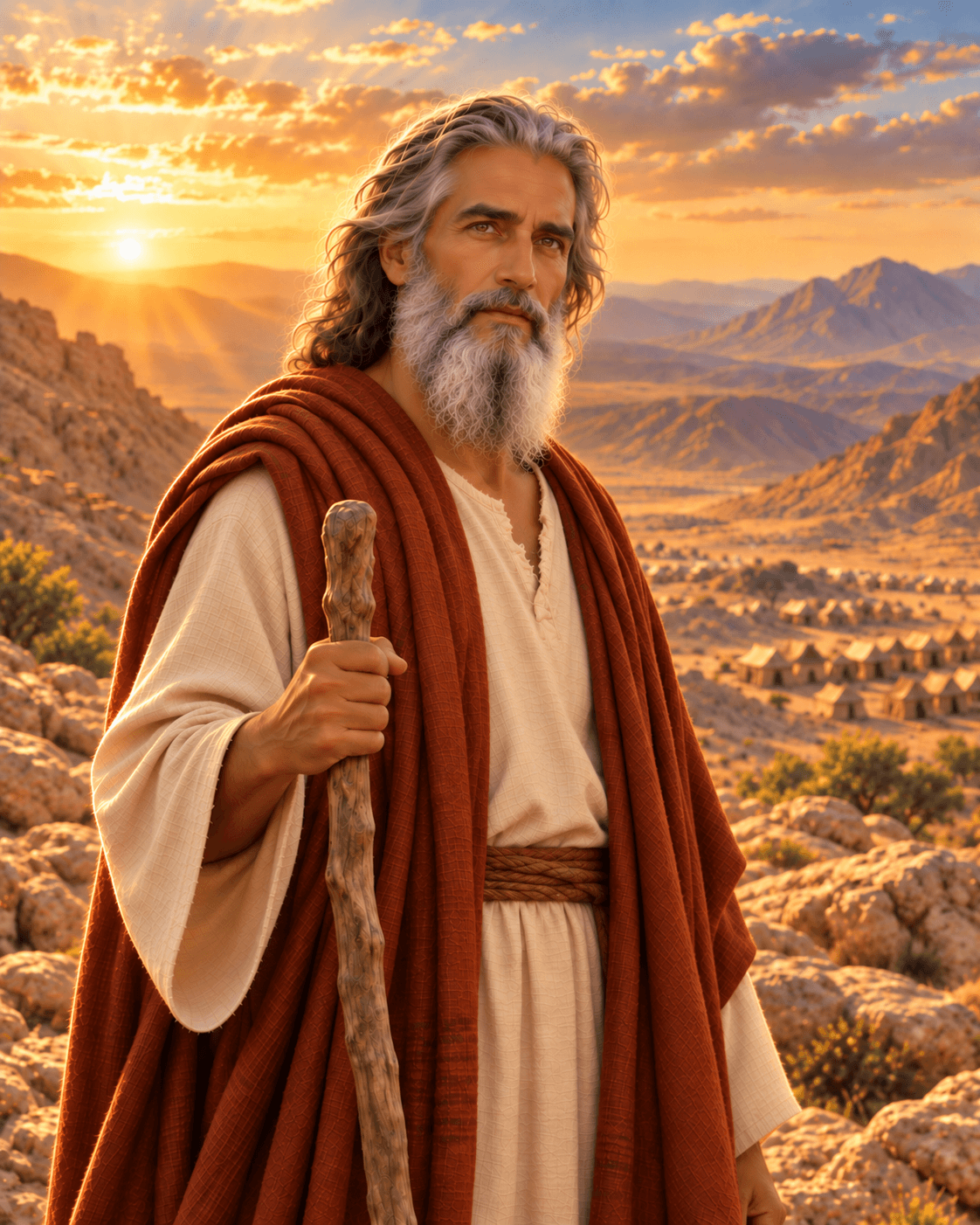 Moses
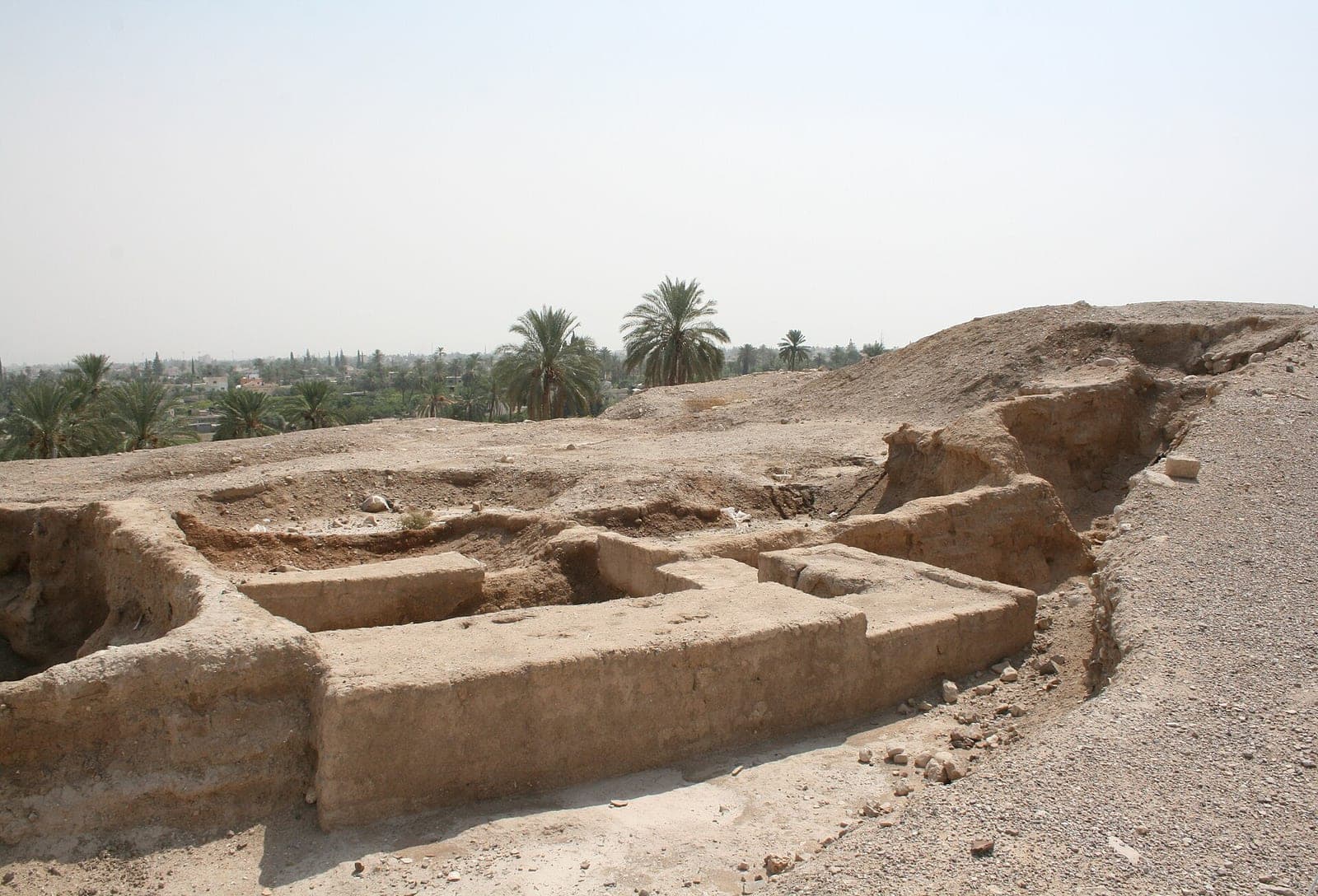
Photo: Diego Delso, via Wikimedia Commons. License: CC BY-SA 3.0. Source. Location: Tell es-Sultan, Jericho, West Bank. Resized for the web.
Explore the places of the Bible
See where biblical events happened, why each place matters, and what archaeology helps us understand.
Jericho
The city of palm trees, whose walls fell in Joshua's day.
Get full access with one subscription
Explore the people and places of the Bible. Read summaries of every book, with images and clear explanations covering every chapter. Access all these features and our Bible study tools with one subscription.
See PlansAsk AI about Leviticus 12:8
Ask a question about this verse and get a clear answer, with Bible references you can read for yourself.
Every Bible book, explained chapter by chapter
Explore summaries of every book of the Bible, with images and easy-to-understand explanations covering every chapter.
Keep studying Leviticus 12:8
Related Bible verses
Key themes
Related topics
At a Glance — the Book of Leviticus
- Author
- Traditionally attributed to Moses
- Written
- Around 1400 BC
- Genre
- Law (Pentateuch)
- Original Audience
- The Israelites in the wilderness
Frequently Asked Questions
Quick, clear answers about this verse
What does Leviticus 12:8 mean?
Leviticus 12:8 explains that a woman who has given birth must make a sacrifice for purification. If she cannot afford a lamb, she can bring two turtledoves or two young pigeons instead, showing God's understanding of financial limitations.
What is the significance of the offerings in Leviticus 12:8?
In Leviticus 12:8, the first bird is a burnt offering, symbolizing dedication to God, while the second is a sin offering, representing atonement for any wrongdoing. This illustrates the importance of both dedication and repentance in the sacrificial system.
Why does Leviticus 12:8 allow for different offerings?
Leviticus 12:8 allows for different offerings to ensure that all women, regardless of their financial situation, can participate in the purification process after childbirth. This reflects God's desire for accessibility in worship.
What does this verse teach about God's mercy?
This verse highlights God's mercy by providing an alternative for those who cannot afford the standard offering. It emphasizes that God values the heart and intention behind the offering more than the monetary value.
Daily Verse — straight to your inbox
A verse and a 2-sentence plain-English explanation, every morning. Free. Unsubscribe anytime.