Old Testament
Leviticus 23:19
Read the Bible in clear, modern English—easy to understand, faithful to the meaning, and written for everyday readers.
Then sacrifice 1 male goat as a sin offering and 2 1-year-old male lambs as a peace offering.
Compare translations
Then ye shall sacrifice one kid of the goats for a sin offering, and two lambs of the first year for a sacrifice of peace offerings.
What Leviticus 23:19 means
Plain-English insight for readers
In Leviticus 23:19, God instructs the Israelites on the specific offerings they are to present during their sacred festivals. The verse highlights the importance of making a sin offering, represented by a male goat, which symbolizes atonement for wrongdoing. Additionally, the two one-year-old male lambs are designated as peace offerings, signifying gratitude and fellowship with God. These offerings reflect the Israelites' desire to maintain a right relationship with God, acknowledging their sins while also celebrating the peace and blessings they receive from Him. The act of sacrificing these animals was a significant part of their worship, demonstrating obedience to God's commands and the seriousness of sin. The distinction between the sin offering and the peace offering illustrates the multifaceted nature of their relationship with God, encompassing both repentance and joy. Overall, this verse emphasizes the need for both atonement and communion with God through proper worship practices.
How to apply Leviticus 23:19 to your life
This verse reminds us of the importance of acknowledging our sins and seeking forgiveness. In our worship, we should also express gratitude for the peace we have with God. Regular reflection on our relationship with God can help us maintain spiritual health and community.
Curated for this public verse page. Leviticus Summary
Explore more of the Bible
Learn the Bible through its people and places
Get to know the people in Scripture through illustrated stories, and explore the places where they lived and traveled.

Illustrated scene from Noah's story: Noah Is Born (Genesis 5:28–32)
Meet the people of the Bible
Follow their lives in order, with illustrated scenes and Bible passages that tell their stories.
 Noah
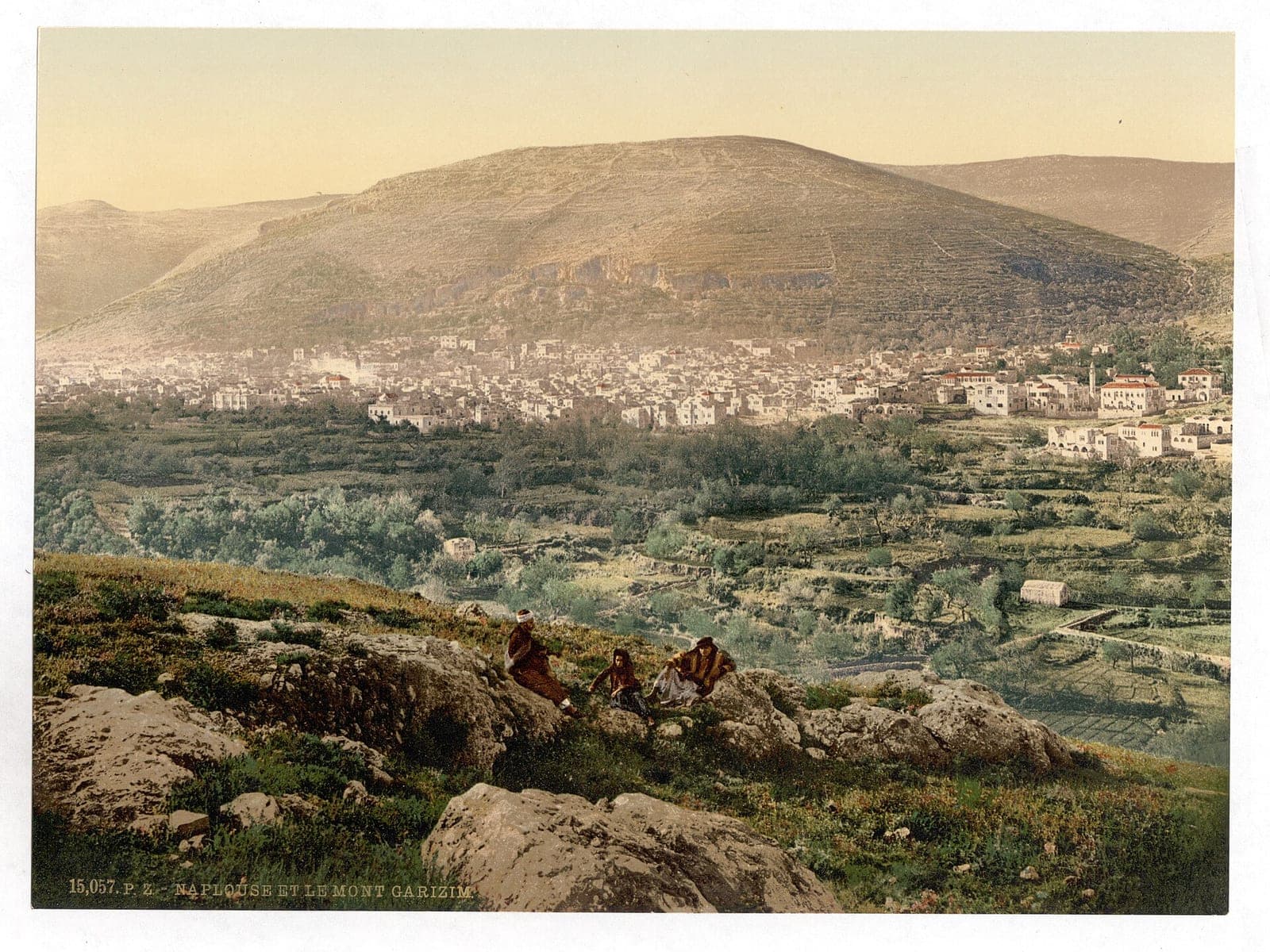
Photo: Photochrom print, Library of Congress Prints and Photographs Division (LCCN 2002725043). License: Public domain in the United States; Library of Congress states no known restrictions on publication. Source. Location: Nablus and Mount Gerizim, West Bank; print preserved by the Library of Congress. Resized for the web.
Explore the places of the Bible
See where biblical events happened, why each place matters, and what archaeology helps us understand.
Shechem
Where God promised the land to Abram, and where Joshua led Israel to renew the covenant.
Get full access with one subscription
Explore the people and places of the Bible. Read summaries of every book, with images and clear explanations covering every chapter. Access all these features and our Bible study tools with one subscription.
See PlansAsk AI about Leviticus 23:19
Ask a question about this verse and get a clear answer, with Bible references you can read for yourself.
Every Bible book, explained chapter by chapter
Explore summaries of every book of the Bible, with images and easy-to-understand explanations covering every chapter.
Keep studying Leviticus 23:19
Related Bible verses
Key themes
Related topics
At a Glance — the Book of Leviticus
- Author
- Traditionally attributed to Moses
- Written
- Around 1400 BC
- Genre
- Law (Pentateuch)
- Original Audience
- The Israelites in the wilderness
Frequently Asked Questions
Quick, clear answers about this verse
What does Leviticus 23:19 mean?
Leviticus 23:19 outlines God's instructions for the Israelites regarding specific offerings during their festivals. It emphasizes the importance of a sin offering for atonement and peace offerings to express gratitude and fellowship with God.
What is the significance of the sin offering in Leviticus 23:19?
The sin offering, represented by a male goat, symbolizes atonement for the Israelites' sins. It reflects the need for repentance and the seriousness of maintaining a right relationship with God.
What are peace offerings in Leviticus 23:19?
The peace offerings, represented by two one-year-old male lambs, signify gratitude and a desire for fellowship with God. They highlight the joy and blessings that come from a harmonious relationship with Him.
Why are both sin and peace offerings mentioned in Leviticus 23:19?
Leviticus 23:19 mentions both offerings to illustrate the multifaceted nature of the Israelites' relationship with God, encompassing both the need for atonement for sins and the celebration of peace and communion with Him.
Daily Verse — straight to your inbox
A verse and a 2-sentence plain-English explanation, every morning. Free. Unsubscribe anytime.