New Testament
Luke 16:24
Read the Bible in clear, modern English—easy to understand, faithful to the meaning, and written for everyday readers.
He cried out, 'Father Abraham, have mercy on me! Send Lazarus to dip just the tip of his finger in water and cool my tongue, because I am in agony in this fire.'
Compare translations
And he cried and said, Father Abraham, have mercy on me, and send Lazarus, that he may dip the tip of his finger in water, and cool my tongue; for I am tormented in this flame.
What Luke 16:24 means
Plain-English insight for readers
In this verse, a rich man, after dying, finds himself in a place of torment and suffering. He recognizes Abraham, the father of the Jewish people, and pleads for mercy. The rich man asks Abraham to send Lazarus, a poor man who used to sit at his gate, to bring him just a drop of water to ease his intense suffering. This moment highlights the desperation of the rich man as he experiences the consequences of his earthly life choices. He is now in agony, wishing for even the smallest relief from the flames that torment him. This scene serves as a powerful reminder of the afterlife and the importance of compassion and kindness during our lives. It illustrates the reversal of fortunes in the afterlife, where the poor and humble may find comfort while the proud and wealthy face judgment for their actions.
How to apply Luke 16:24 to your life
This verse encourages us to show compassion to those in need while we are alive. It reminds us that our actions have consequences beyond this life. We should strive to help others and live with empathy, as our choices shape our eternal destiny.
Curated for this public verse page. Luke Summary
Explore more of the Bible
Learn the Bible through its people and places
Get to know the people in Scripture through illustrated stories, and explore the places where they lived and traveled.
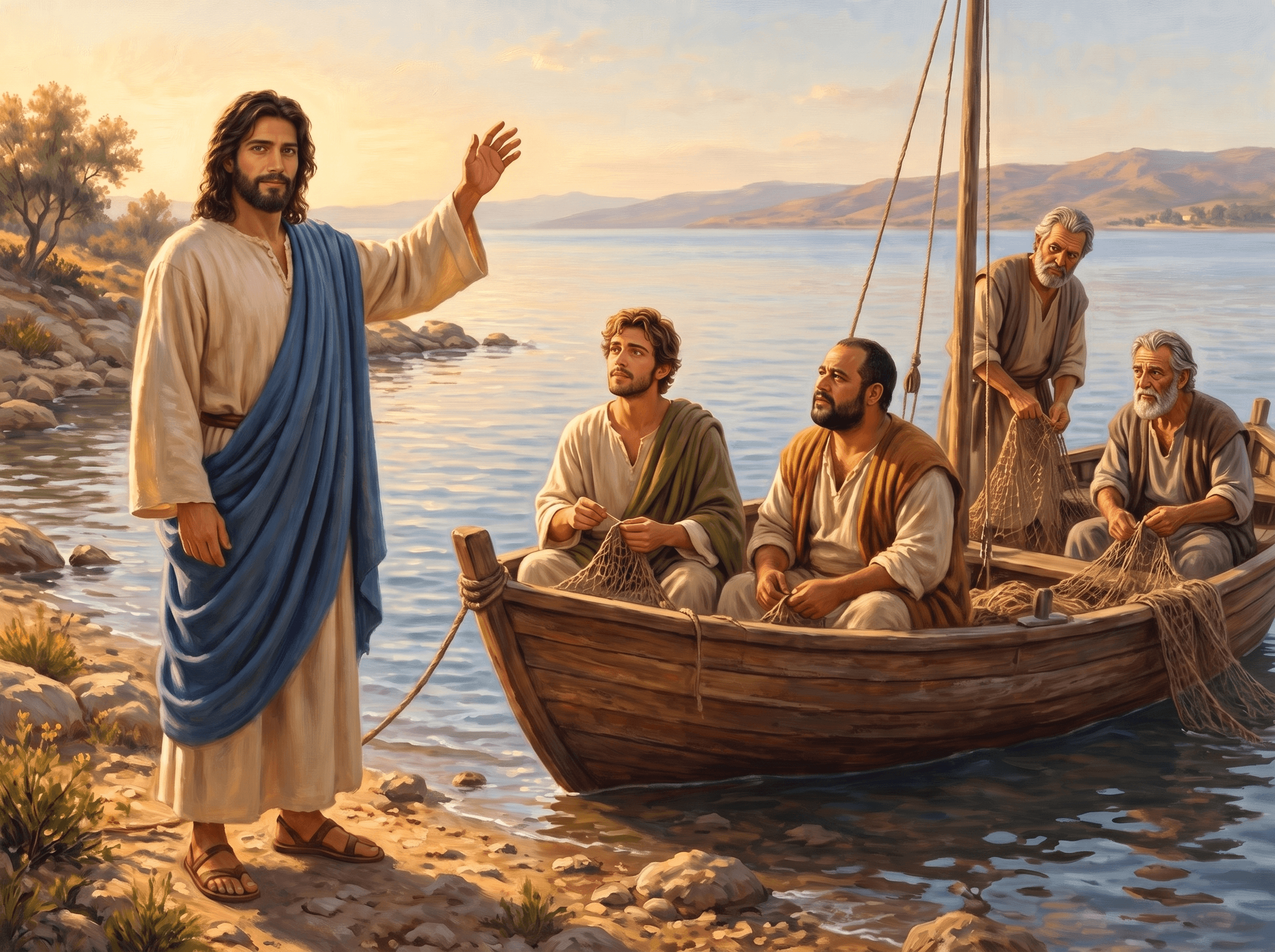
Illustrated scene from John the Apostle's story: Mending Their Nets (Mark 1:19–20)
Meet the people of the Bible
Follow their lives in order, with illustrated scenes and Bible passages that tell their stories.
 John the Apostle

Photo: zeevveez, via Wikimedia Commons. License: CC BY 2.0. Source. Location: Capernaum, on the northern shore of the Sea of Galilee. Resized for the web.
Explore the places of the Bible
See where biblical events happened, why each place matters, and what archaeology helps us understand.
Capernaum
Jesus' home base by the Sea of Galilee, and the town where Peter lived.
Get full access with one subscription
Explore the people and places of the Bible. Read summaries of every book, with images and clear explanations covering every chapter. Access all these features and our Bible study tools with one subscription.
See PlansAsk AI about Luke 16:24
Ask a question about this verse and get a clear answer, with Bible references you can read for yourself.
Every Bible book, explained chapter by chapter
Explore summaries of every book of the Bible, with images and easy-to-understand explanations covering every chapter.
Keep studying Luke 16:24
Related Bible verses
Related topics
At a Glance — the Book of Luke
- Author
- Luke the physician
- Written
- Around AD 60-62
- Genre
- Gospel and history
- Original Audience
- Gentile Christians (addressed to Theophilus)
Frequently Asked Questions
Quick, clear answers about this verse
What does Luke 16:24 mean?
Luke 16:24 depicts a rich man in torment after death, pleading for mercy from Abraham. He asks for Lazarus to bring him a drop of water to ease his suffering, illustrating the consequences of his earthly life choices and the importance of compassion.
What is the significance of the rich man and Lazarus in Luke 16:24?
In Luke 16:24, the rich man represents those who lived selfishly, while Lazarus symbolizes the poor and marginalized. Their roles are reversed in the afterlife, highlighting themes of justice and the consequences of one's actions.
What does the phrase 'have mercy on me' in Luke 16:24 mean?
The phrase 'have mercy on me' in Luke 16:24 reflects the rich man's desperate plea for relief from his suffering. It underscores his recognition of his dire situation and his hope for compassion from Abraham.
How does Luke 16:24 relate to the theme of compassion?
Luke 16:24 emphasizes compassion by showing the rich man's regret for not helping Lazarus during his life. It highlights the need to care for others, as our actions have lasting effects beyond this life.
Daily Verse — straight to your inbox
A verse and a 2-sentence plain-English explanation, every morning. Free. Unsubscribe anytime.