New Testament
Mark 6:28
Read the Bible in clear, modern English—easy to understand, faithful to the meaning, and written for everyday readers.
He brought the head on a platter and gave it to the girl, and the girl gave it to her mother.
Compare translations
And brought his head in a charger, and gave it to the damsel: and the damsel gave it to her mother.
What Mark 6:28 means
Plain-English insight for readers
In this verse, we see a grim conclusion to the story of John the Baptist. After being imprisoned by King Herod, John was executed, and his head was brought to the girl who had danced for Herod. This girl, likely Salome, presented the head to her mother, Herodias, who had sought John's death. The act symbolizes the consequences of manipulation and revenge, as Herodias used her daughter to achieve her vengeful desires. The imagery of the head on a platter is shocking and highlights the brutality of the situation. It serves as a reminder of the dangers of allowing personal vendettas to dictate actions, leading to tragic outcomes. This moment also reflects the broader theme of the cost of discipleship and the sacrifices that can come with standing for truth, as John did. The narrative illustrates how power, pride, and revenge can lead to devastating consequences, affecting not just the individuals involved but also their families and communities.
How to apply Mark 6:28 to your life
This verse challenges us to reflect on our motivations and the potential consequences of our actions. It encourages us to seek justice and truth rather than revenge. In our relationships, we should strive for integrity and avoid using others to fulfill our desires, as this can lead to harm and regret.
Curated for this public verse page. Mark Summary
Learn the Bible through its people and places
Get to know the people in Scripture through illustrated stories, and explore the places where they lived and traveled.
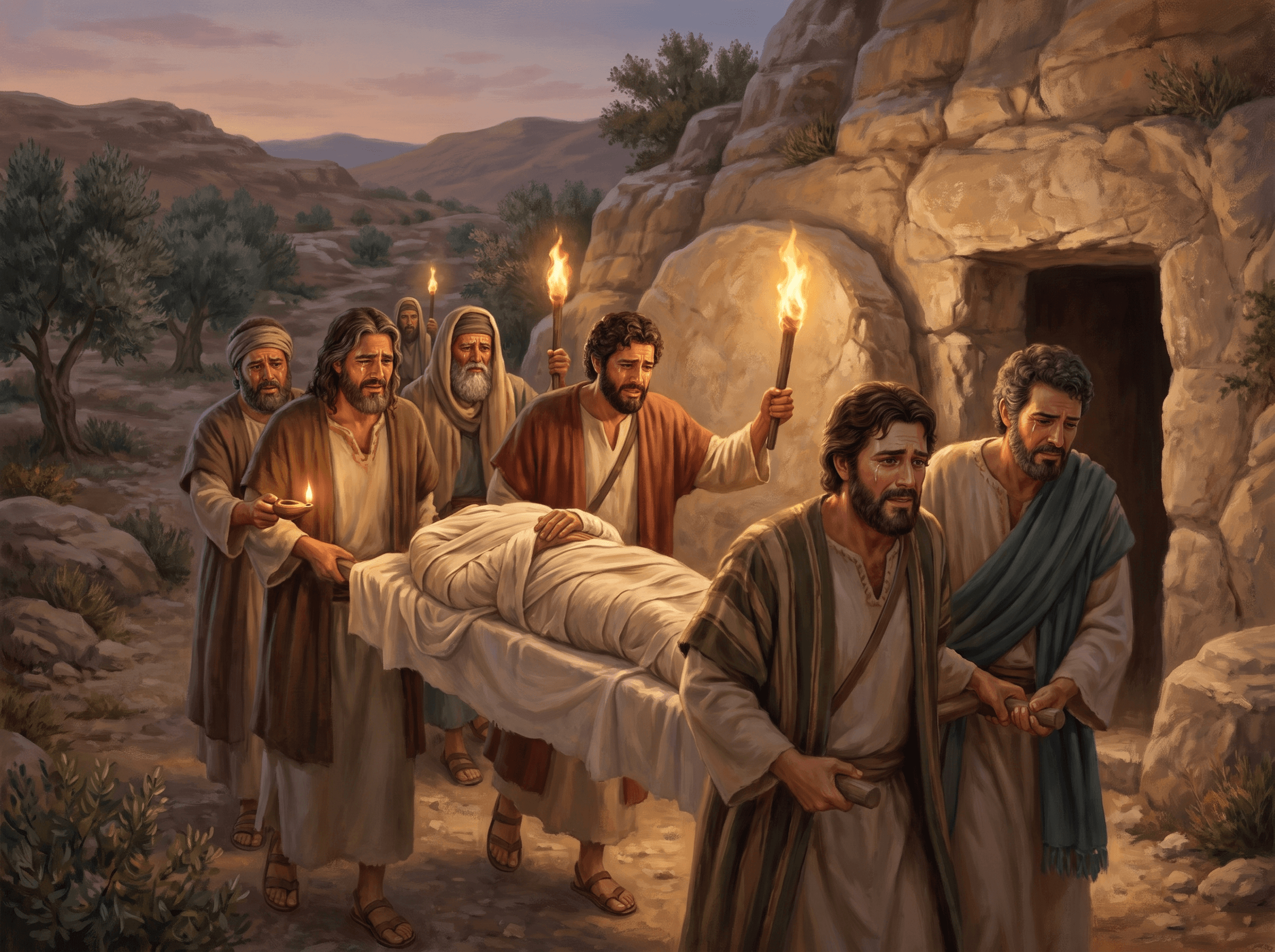
Illustrated scene from John the Baptist's story: The Death of John (Mark 6:21–29)
Meet the people of the Bible
Follow their lives in order, with illustrated scenes and Bible passages that tell their stories.
 John the Baptist

Photo: Gary Todd (Gary Lee Todd, Ph.D.), via Wikimedia Commons. License: CC0 1.0 Universal Public Domain Dedication. Source. Location: Southern end of the Temple Mount, Jerusalem Old City. Resized for the web.
Explore the places of the Bible
See where biblical events happened, why each place matters, and what archaeology helps us understand.
Jerusalem
David's capital, the city of the temple, and the place where Jesus died and rose again.
Get full access with one subscription
Explore the people and places of the Bible. Read summaries of every book, with images and clear explanations covering every chapter. Access all these features and our Bible study tools with one subscription.
See PlansAsk AI about Mark 6:28
Ask a question about this verse and get a clear answer, with Bible references you can read for yourself.
Every Bible book, explained chapter by chapter
Explore summaries of every book of the Bible, with images and easy-to-understand explanations covering every chapter.
Keep studying Mark 6:28
At a Glance — the Book of Mark
- Author
- John Mark
- Written
- Around AD 55-65
- Genre
- Gospel
- Original Audience
- Roman and Gentile Christians
Frequently Asked Questions
Quick, clear answers about this verse
What does Mark 6:28 mean?
Mark 6:28 describes the moment when the head of John the Baptist is presented on a platter to the girl who danced for King Herod. This act symbolizes the tragic consequences of manipulation and revenge, as Herodias used her daughter to fulfill her desire for vengeance against John.
What is the significance of the head on a platter in Mark 6:28?
The head on a platter in Mark 6:28 serves as a shocking image that highlights the brutality of John's execution. It represents the extreme consequences of personal vendettas and the lengths to which individuals may go to achieve their desires.
Who is the girl mentioned in Mark 6:28?
The girl mentioned in Mark 6:28 is traditionally identified as Salome, the daughter of Herodias. She danced for King Herod, which led to the request for John's execution.
What themes are present in Mark 6:28?
Mark 6:28 encompasses themes of betrayal, revenge, manipulation, sacrifice, and the consequences of power dynamics. It reflects how personal desires can lead to tragic outcomes.
Daily Verse — straight to your inbox
A verse and a 2-sentence plain-English explanation, every morning. Free. Unsubscribe anytime.