New Testament
Mark 6:26
Read the Bible in clear, modern English—easy to understand, faithful to the meaning, and written for everyday readers.
The king was deeply distressed, but because of his oath and his dinner guests, he didn't want to refuse her.
Compare translations
And the king was exceeding sorry; yet for his oath’s sake, and for their sakes which sat with him, he would not reject her.
What Mark 6:26 means
Plain-English insight for readers
In this verse, King Herod finds himself in a difficult situation. He is upset because he has made a promise to a young girl, Salome, after she danced for him. Herod's oath, made in front of his guests, compels him to act against his better judgment. He is torn between his personal feelings of regret and the pressure to maintain his reputation and honor his word. This moment highlights the conflict between personal integrity and public expectation. Herod's decision to uphold his oath, despite his distress, illustrates how powerful social influences can be, often leading individuals to make choices they might otherwise avoid. It serves as a reminder of the importance of being cautious with our promises and the potential consequences of our commitments, especially when they conflict with our moral compass.
How to apply Mark 6:26 to your life
This verse teaches us to be mindful of the promises we make, especially in public settings. It encourages us to consider the potential consequences of our words and actions. We should strive to align our commitments with our values and be prepared to face the repercussions of our decisions.
Curated for this public verse page. Mark Summary
Learn the Bible through its people and places
Get to know the people in Scripture through illustrated stories, and explore the places where they lived and traveled.
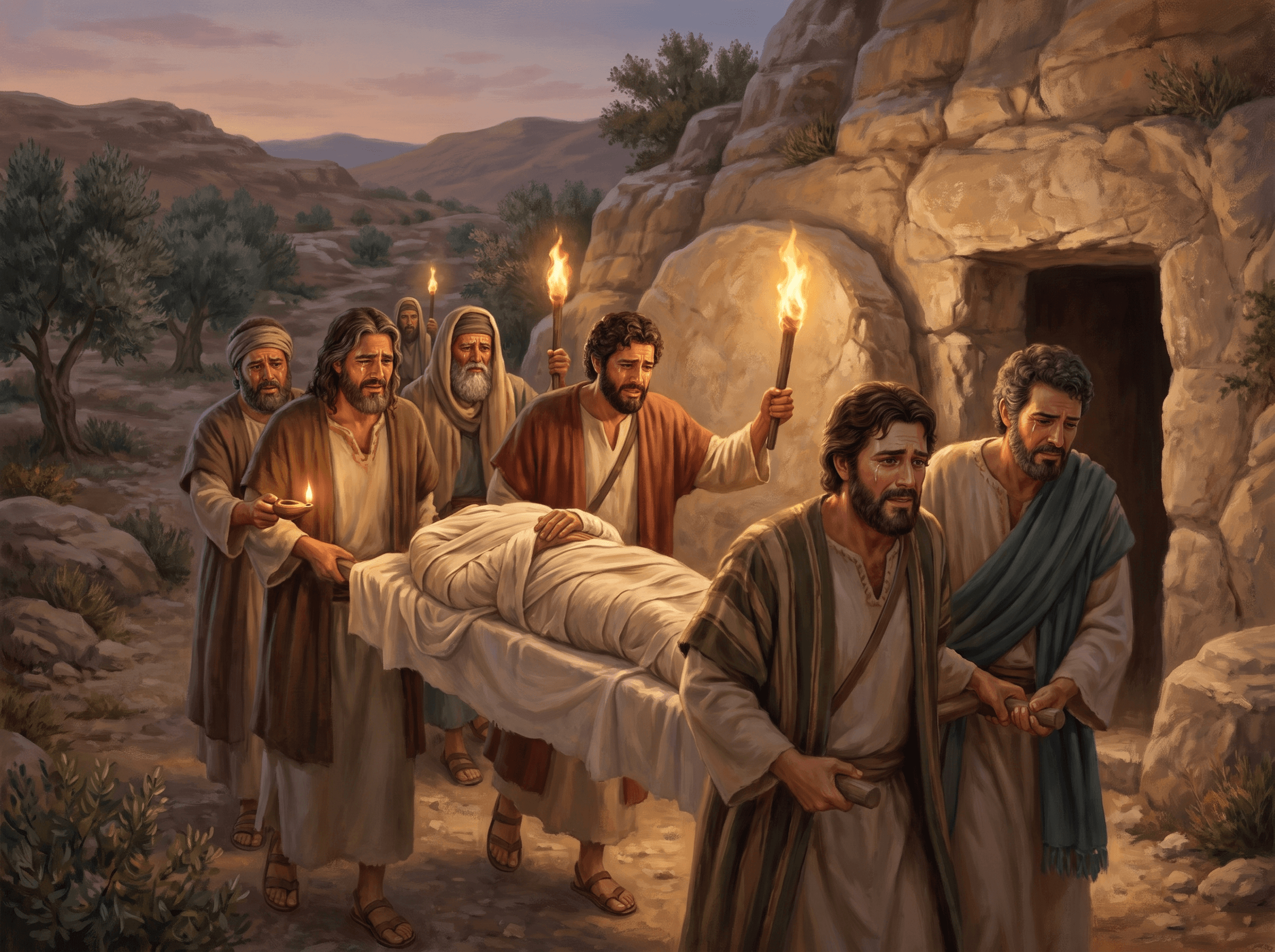
Illustrated scene from John the Baptist's story: The Death of John (Mark 6:21–29)
Meet the people of the Bible
Follow their lives in order, with illustrated scenes and Bible passages that tell their stories.
 John the Baptist

Photo: Gary Todd (Gary Lee Todd, Ph.D.), via Wikimedia Commons. License: CC0 1.0 Universal Public Domain Dedication. Source. Location: Southern end of the Temple Mount, Jerusalem Old City. Resized for the web.
Explore the places of the Bible
See where biblical events happened, why each place matters, and what archaeology helps us understand.
Jerusalem
David's capital, the city of the temple, and the place where Jesus died and rose again.
Get full access with one subscription
Explore the people and places of the Bible. Read summaries of every book, with images and clear explanations covering every chapter. Access all these features and our Bible study tools with one subscription.
See PlansAsk AI about Mark 6:26
Ask a question about this verse and get a clear answer, with Bible references you can read for yourself.
Every Bible book, explained chapter by chapter
Explore summaries of every book of the Bible, with images and easy-to-understand explanations covering every chapter.
Keep studying Mark 6:26
At a Glance — the Book of Mark
- Author
- John Mark
- Written
- Around AD 55-65
- Genre
- Gospel
- Original Audience
- Roman and Gentile Christians
Frequently Asked Questions
Quick, clear answers about this verse
What does Mark 6:26 mean?
Mark 6:26 describes King Herod's internal conflict after he promised to grant Salome anything she wanted. Despite his distress over the consequences of his oath, he feels pressured to fulfill it in front of his guests, highlighting the struggle between personal values and social expectations.
What is the significance of Herod's oath in Mark 6:26?
Herod's oath in Mark 6:26 signifies the weight of promises made in public settings. It illustrates how social pressure can compel individuals to act against their better judgment, leading to regret and moral dilemmas.
What does this verse reveal about public pressure?
This verse reveals that public pressure can significantly influence decision-making. Herod's choice to uphold his oath, despite his distress, shows how the expectations of others can override personal integrity.
How does Mark 6:26 relate to personal integrity?
Mark 6:26 highlights the conflict between personal integrity and the need to maintain one's reputation. Herod's regret illustrates the challenges individuals face when their commitments clash with their moral beliefs.
Daily Verse — straight to your inbox
A verse and a 2-sentence plain-English explanation, every morning. Free. Unsubscribe anytime.