Matthew 1:6
Jesse was the father of King David. David was the father of Solomon, whose mother had been the wife of Uriah.
What Matthew 1:6 means
Plain-English insight for readers
This verse highlights the lineage of Jesus Christ, tracing it back to Jesse, the father of King David. It emphasizes the royal heritage of David, who is a significant figure in Jewish history. The mention of Solomon, David's son, connects to the wisdom and wealth associated with his reign. Importantly, the verse notes that Solomon's mother was the wife of Uriah, which refers to Bathsheba. This detail serves to remind readers of the complexities and moral failures in David's life, including his adultery with Bathsheba and the arranged death of Uriah. This lineage is crucial as it fulfills Old Testament prophecies regarding the Messiah's descent from David, reinforcing the idea that Jesus is the promised King. The verse encapsulates themes of grace, redemption, and the fulfillment of God's promises despite human flaws, showing that God can work through imperfect people to achieve His divine purposes.
How to apply Matthew 1:6 to your life
Understanding this verse encourages us to reflect on our own family histories and the legacies we inherit. It reminds us that God can use our imperfections for His purposes. We should strive to live in a way that honors our heritage while also seeking redemption and grace in our lives.
In the King James Version
And Jesse begat David the king; and David the king begat Solomon of her that had been the wife of Urias;
Ask about this verse
Tap a question to get a clear answer from Scripture.
Example answer · Premium
“Why does the list call her 'the wife of Uriah' instead of just naming Bathsheba?”
In the Clear Bible Translation, Matthew 1:6 reads: "David was the father of Solomon, whose mother had been the wife of Uriah." The passage deliberately identifies Solomon's mother by her relationship to Uriah rather than naming her directly. This phrasing—found in all three versions—draws attention to the moral weight of David's sin: he took Bathsheba, who was already married to Uriah, one of his own soldiers, and then had Uriah killed in battle to cover it up. By calling her "the wife of Uriah," Matthew reminds readers of that betrayal and injustice at the very moment he lists Jesus's royal ancestry. The genealogy includes four women, all of whom had unusual or morally complicated circumstances—Tamar, Rahab, Ruth, and Bathsheba—signaling that Jesus's line came through grace, not through human righteousness, and that God works redemptively even through human failure and sin.
From Scripture: Matthew 1:6 · Matthew 1:5
Have a question about this verse? Explore it with ClearBible.
Premium answers your questions about any verse from Scripture itself, shows the verses it rests on, and opens Clear on every passage. You also get all 66 book summaries.
7 days free, then $99/year. Card required. Cancel anytime.
Explore more of the Bible
Learn the Bible through its people and places
Get to know the people in Scripture through illustrated stories, and explore the places where they lived and traveled.
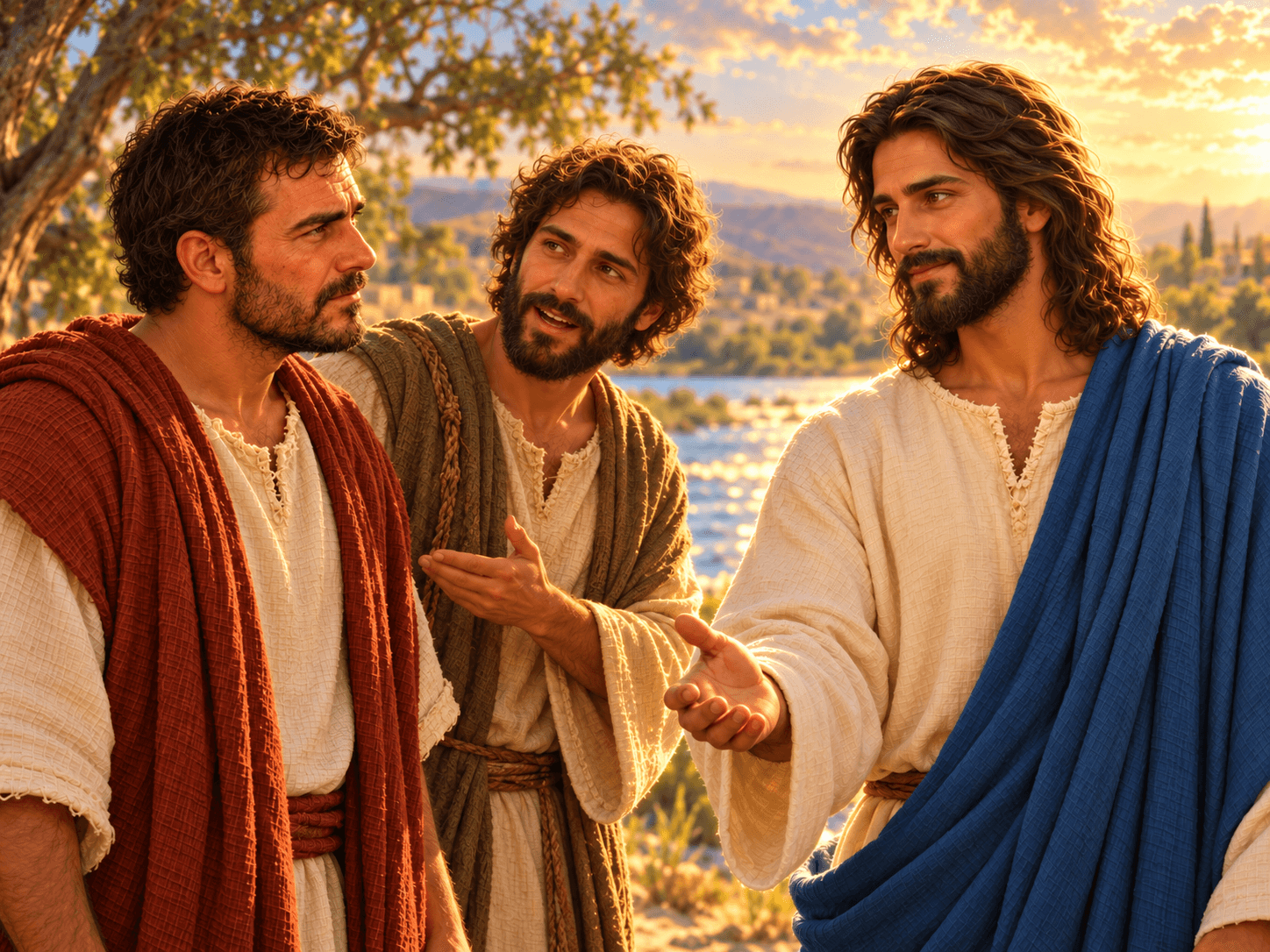
Illustrated scene from Peter's story: Andrew Brings Simon to Jesus (John 1:40–42)
Meet the people of the Bible
Follow their lives in order, with illustrated scenes and Bible passages that tell their stories.
 Peter
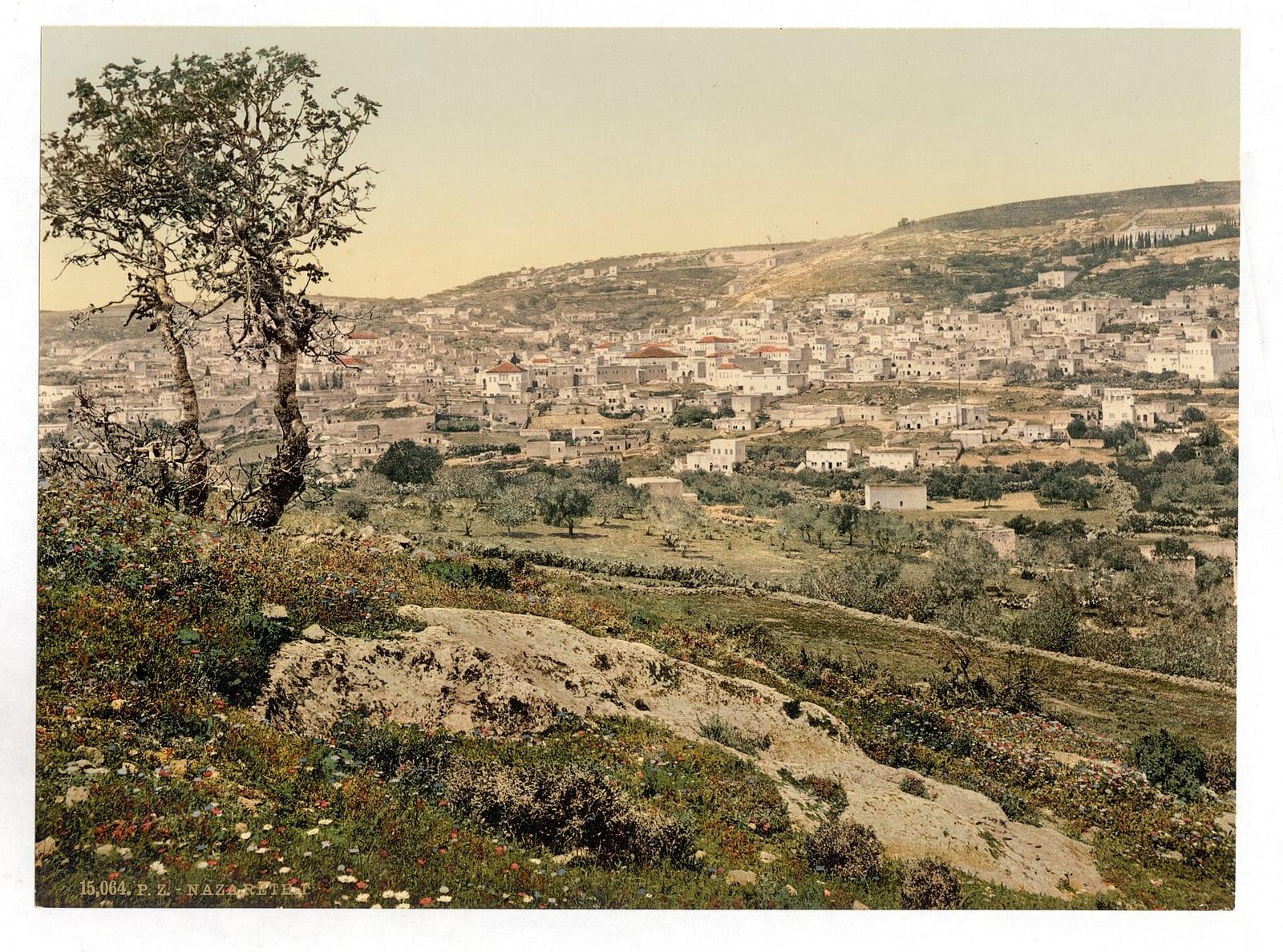
Photo: Photochrom print, Library of Congress Prints and Photographs Division (LCCN 2002725045). License: Public domain in the United States; Library of Congress states no known restrictions on publication. Source. Location: Nazareth, Israel; print preserved by the Library of Congress. Resized for the web.
Explore the places of the Bible
See where biblical events happened, why each place matters, and what archaeology helps us understand.
Nazareth
The small town in Galilee where Jesus grew up.
Every Bible book, explained chapter by chapter
Explore summaries of every book of the Bible, with images and easy-to-understand explanations covering every chapter.
Keep studying Matthew 1:6
Related Bible verses
Key themes
Related topics
At a Glance — the Book of Matthew
- Author
- Matthew the apostle
- Written
- Around AD 60-70
- Genre
- Gospel
- Original Audience
- Jewish Christians
Frequently Asked Questions
Quick, clear answers about this verse
What does Matthew 1:6 mean?
Matthew 1:6 traces the lineage of Jesus back to Jesse and King David, highlighting David's royal heritage and his son Solomon. It emphasizes the significance of this lineage in fulfilling Old Testament prophecies about the Messiah.
Who is mentioned in Matthew 1:6?
Matthew 1:6 mentions Jesse, King David, and Solomon, noting that Solomon's mother was Bathsheba, the wife of Uriah. This connection underscores the complexities of David's life and the importance of his lineage.
What is the significance of Solomon in Matthew 1:6?
Solomon is significant in Matthew 1:6 as he represents wisdom and wealth, being the son of David. His mention connects Jesus to a legacy of kingship and fulfills prophecies regarding the Messiah's descent.
Why does Matthew 1:6 mention Uriah?
Matthew 1:6 mentions Uriah to highlight the moral failures in David's life, specifically his adultery with Bathsheba and the arranged death of Uriah. This detail serves as a reminder of God's grace and redemption despite human flaws.
Daily Verse — straight to your inbox
A verse and a 2-sentence plain-English explanation, every morning. Free. Unsubscribe anytime.