New Testament
Matthew 20:8
Read the Bible in clear, modern English—easy to understand, faithful to the meaning, and written for everyday readers.
When evening came, the vineyard owner told his manager, 'Call the workers and pay them their wages — but start with the ones who were hired last and end with the ones hired first.'
Compare translations
So when even was come, the lord of the vineyard saith unto his steward, Call the labourers, and give them their hire, beginning from the last unto the first.
What Matthew 20:8 means
Plain-English insight for readers
In this verse, the vineyard owner instructs his manager to pay the workers starting with those who were hired last. This reflects a reversal of the expected order, where typically, those who worked longer would be paid first. The owner’s decision emphasizes fairness and generosity, as all workers receive the same wage regardless of when they started. This scenario illustrates the concept of grace, where rewards are given not based on merit or time worked, but rather on the owner's choice. It challenges societal norms about fairness and entitlement, inviting readers to consider the nature of God's grace and how it operates in the Kingdom of Heaven. The vineyard owner represents God, who offers His blessings freely and generously, often in ways that defy human expectations. This verse sets the stage for a deeper understanding of the parable of the workers in the vineyard, highlighting themes of equality, grace, and the surprising nature of God's generosity.
How to apply Matthew 20:8 to your life
This verse encourages us to reflect on our attitudes towards fairness and entitlement. It reminds us that God's grace is not based on our efforts or time served but is freely given. We should embrace this grace and extend it to others, treating everyone with kindness and generosity, regardless of their circumstances.
Curated for this public verse page. Matthew Summary
Explore more of the Bible
Learn the Bible through its people and places
Get to know the people in Scripture through illustrated stories, and explore the places where they lived and traveled.
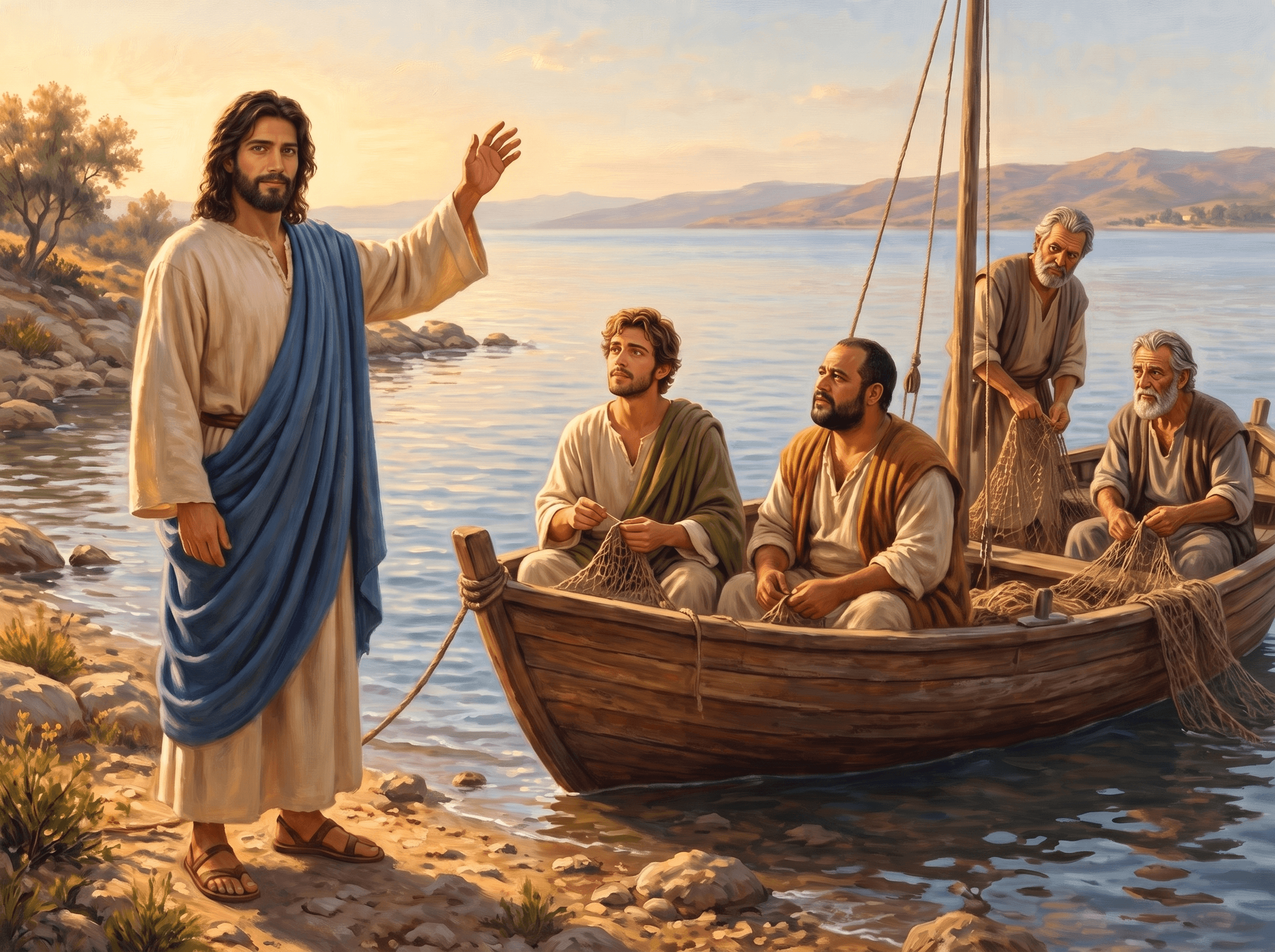
Illustrated scene from John the Apostle's story: Mending Their Nets (Mark 1:19–20)
Meet the people of the Bible
Follow their lives in order, with illustrated scenes and Bible passages that tell their stories.
 John the Apostle
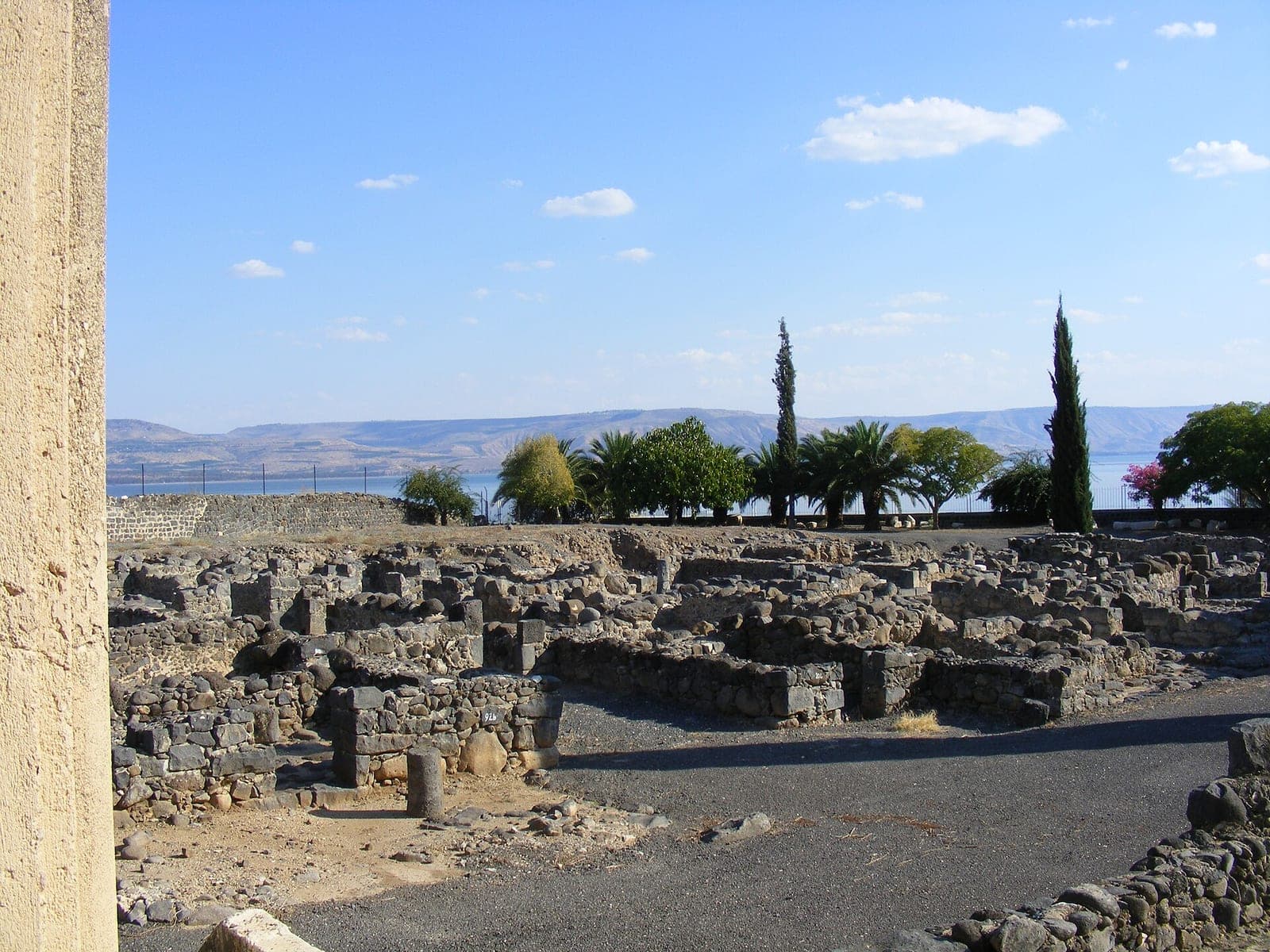
Photo: zeevveez, via Wikimedia Commons. License: CC BY 2.0. Source. Location: Capernaum, on the northern shore of the Sea of Galilee. Resized for the web.
Explore the places of the Bible
See where biblical events happened, why each place matters, and what archaeology helps us understand.
Capernaum
Jesus' home base by the Sea of Galilee, and the town where Peter lived.
Get full access with one subscription
Explore the people and places of the Bible. Read summaries of every book, with images and clear explanations covering every chapter. Access all these features and our Bible study tools with one subscription.
See PlansAsk AI about Matthew 20:8
Ask a question about this verse and get a clear answer, with Bible references you can read for yourself.
Every Bible book, explained chapter by chapter
Explore summaries of every book of the Bible, with images and easy-to-understand explanations covering every chapter.
Keep studying Matthew 20:8
Related Bible verses
Key themes
Related topics
At a Glance — the Book of Matthew
- Author
- Matthew the apostle
- Written
- Around AD 60-70
- Genre
- Gospel
- Original Audience
- Jewish Christians
Frequently Asked Questions
Quick, clear answers about this verse
What does Matthew 20:8 mean?
Matthew 20:8 describes the vineyard owner's instruction to pay workers starting with those hired last. This highlights themes of grace and generosity, showing that rewards are given based on the owner's choice rather than the workers' time or effort.
What is the meaning of grace in Matthew 20:8?
In Matthew 20:8, grace is illustrated by the vineyard owner's decision to pay all workers the same wage, regardless of when they were hired. This reflects the idea that God's blessings are given freely and not based on individual merit.
How does Matthew 20:8 relate to fairness?
Matthew 20:8 challenges conventional ideas of fairness by showing that the vineyard owner pays all workers equally, regardless of their hours worked. This suggests that fairness in God's eyes may differ from human expectations.
What themes are present in Matthew 20:8?
The themes present in Matthew 20:8 include grace, generosity, equality, and divine justice. The verse illustrates how God's rewards can be unexpected and challenge societal norms about merit and entitlement.
Daily Verse — straight to your inbox
A verse and a 2-sentence plain-English explanation, every morning. Free. Unsubscribe anytime.