New Testament
Matthew 28:6
Read the Bible in clear, modern English—easy to understand, faithful to the meaning, and written for everyday readers.
"He isn't here — he has risen, just as he said he would! Come, see the place where the Lord was lying."
Compare translations
He is not here: for he is risen, as he said. Come, see the place where the Lord lay.
What Matthew 28:6 means
Plain-English insight for readers
In this verse, the angel speaks to the women who came to Jesus' tomb after his crucifixion. They find the stone rolled away and the tomb empty. The angel reassures them that Jesus is not there because he has risen from the dead, fulfilling his promise. This moment is significant as it marks the resurrection of Jesus, a cornerstone of Christian faith. The invitation to 'come and see' emphasizes the reality of the resurrection, encouraging the women to witness the empty tomb for themselves. This event not only confirms Jesus' divine nature but also offers hope for eternal life to all believers. The resurrection signifies victory over sin and death, affirming that Jesus is indeed the Messiah who has triumphed as he foretold. This message of hope and assurance continues to resonate with Christians today, reminding them of the power of faith and the promise of resurrection.
How to apply Matthew 28:6 to your life
This verse encourages believers to trust in the promises of Jesus. Just as he rose from the dead, we can have hope in our own lives and challenges. It reminds us to seek the truth and witness the power of faith in our daily experiences.
Curated for this public verse page. Matthew Summary
Learn the Bible through its people and places
Get to know the people in Scripture through illustrated stories, and explore the places where they lived and traveled.
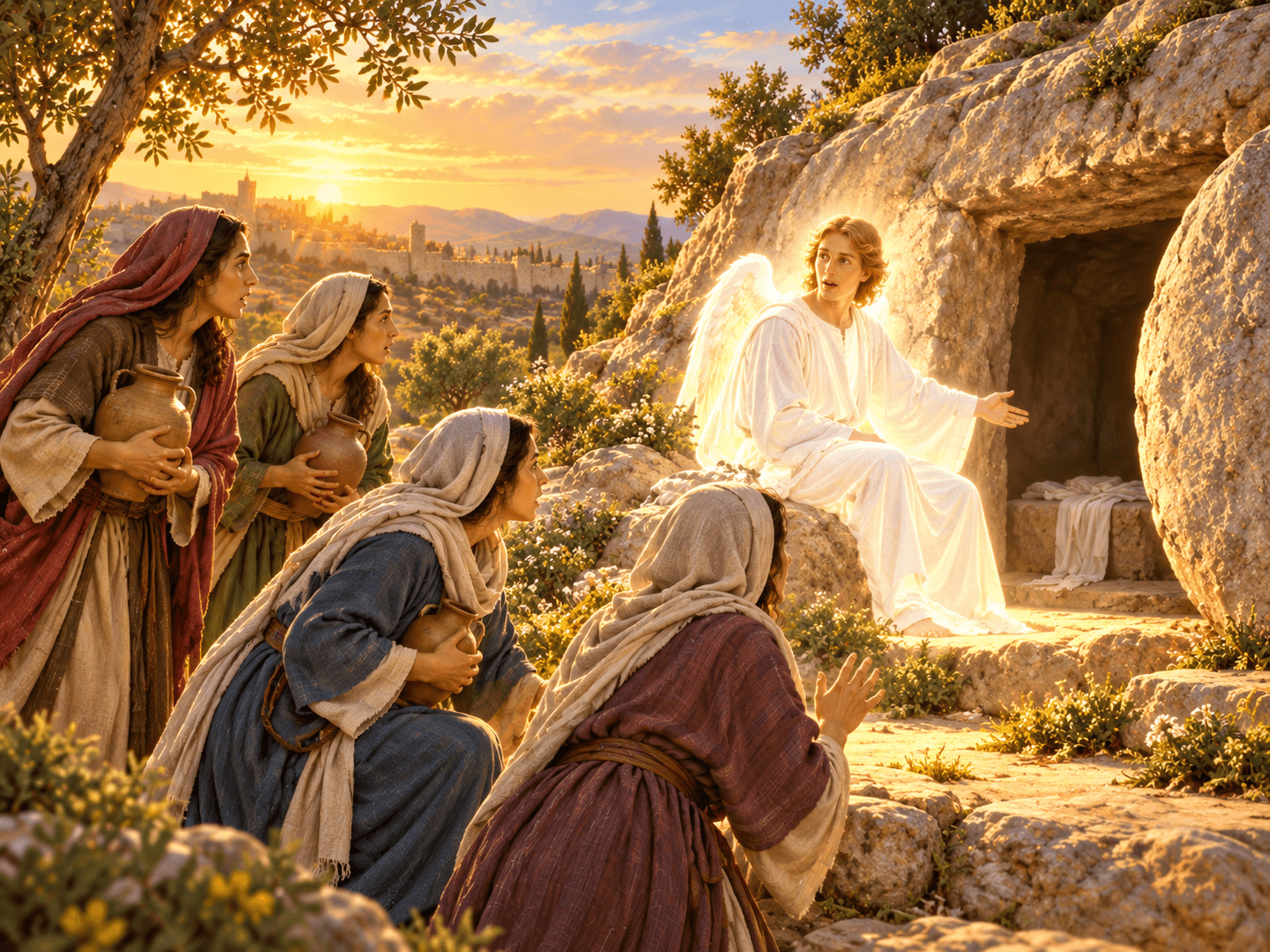
Illustrated scene from Jesus's story: The Empty Tomb (Matthew 28:1–10)
Meet the people of the Bible
Follow their lives in order, with illustrated scenes and Bible passages that tell their stories.
 Jesus
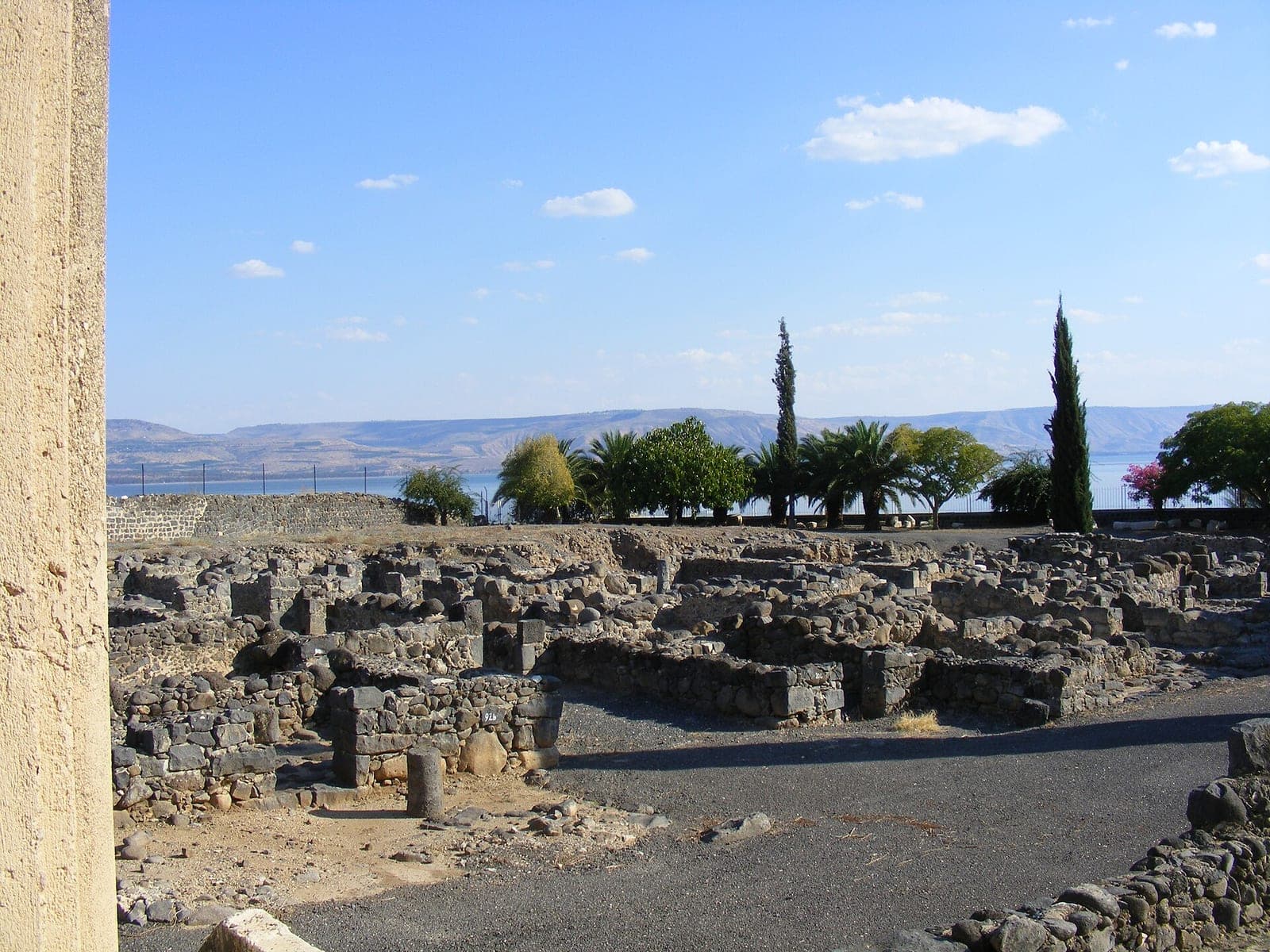
Photo: zeevveez, via Wikimedia Commons. License: CC BY 2.0. Source. Location: Capernaum, on the northern shore of the Sea of Galilee. Resized for the web.
Explore the places of the Bible
See where biblical events happened, why each place matters, and what archaeology helps us understand.
Capernaum
Jesus' home base by the Sea of Galilee, and the town where Peter lived.
Get full access with one subscription
Explore the people and places of the Bible. Read summaries of every book, with images and clear explanations covering every chapter. Access all these features and our Bible study tools with one subscription.
See PlansAsk AI about Matthew 28:6
Ask a question about this verse and get a clear answer, with Bible references you can read for yourself.
Every Bible book, explained chapter by chapter
Explore summaries of every book of the Bible, with images and easy-to-understand explanations covering every chapter.
Keep studying Matthew 28:6
Related Bible verses
Key themes
Related topics
At a Glance — the Book of Matthew
- Author
- Matthew the apostle
- Written
- Around AD 60-70
- Genre
- Gospel
- Original Audience
- Jewish Christians
Frequently Asked Questions
Quick, clear answers about this verse
What does Matthew 28:6 mean by 'He has risen'?
In Matthew 28:6, the phrase 'He has risen' signifies the resurrection of Jesus Christ from the dead. This event is central to Christian belief, as it demonstrates Jesus' victory over death and sin, fulfilling his promise to rise after his crucifixion. The angel's message reassures the women that Jesus is alive, confirming his divine nature and the hope of eternal life for all believers.
Why is the resurrection important in Christianity?
The resurrection is crucial in Christianity because it validates Jesus as the Son of God and the Messiah. It signifies the defeat of death and sin, offering believers the promise of eternal life. The resurrection is a cornerstone of Christian faith, symbolizing hope, renewal, and the assurance that God's promises are fulfilled. It encourages Christians to live with faith and confidence in God's power.
What does 'Come, see the place where the Lord lay' imply?
The invitation 'Come, see the place where the Lord lay' invites the women to witness the empty tomb firsthand. This emphasizes the reality of the resurrection and encourages believers to seek the truth of Jesus' resurrection. It serves as a call to explore and understand the significance of this event, reinforcing the message that Jesus is alive and that faith is rooted in tangible experiences.
How does Matthew 28:6 relate to the fulfillment of prophecy?
Matthew 28:6 relates to the fulfillment of prophecy by confirming Jesus' predictions about his death and resurrection. Throughout the Gospels, Jesus foretold that he would rise on the third day after his crucifixion. This moment in Matthew 28 serves as a powerful affirmation that Jesus kept his promises, reinforcing the belief that he is the Messiah and fulfilling the prophecies found in the Old Testament.
Daily Verse — straight to your inbox
A verse and a 2-sentence plain-English explanation, every morning. Free. Unsubscribe anytime.