New Testament
Romans 11:24
Read the Bible in clear, modern English—easy to understand, faithful to the meaning, and written for everyday readers.
For if you were cut from what is by nature a wild olive tree and grafted, contrary to nature, into a cultivated olive tree, how much more will these natural branches be grafted back into their own olive tree!
Compare translations
For if thou wert cut out of the olive tree which is wild by nature, and wert graffed contrary to nature into a good olive tree: how much more shall these, which be the natural branches, be graffed into their own olive tree?
What Romans 11:24 means
Plain-English insight for readers
In this verse, Paul uses the metaphor of an olive tree to explain God's relationship with Israel and the Gentiles. He points out that Gentiles, who are like wild olive branches, have been grafted into the cultivated olive tree, representing God's people. This act is contrary to nature, highlighting the grace of God in accepting those who were not originally part of His covenant. Paul emphasizes that if God can bring in the wild branches, He can certainly restore the natural branches, referring to the Jewish people. This illustrates God's mercy and the hope of restoration for Israel, showing that no one is beyond the reach of God's grace and that He has a plan for all people.
How to apply Romans 11:24 to your life
This verse encourages us to recognize the depth of God's grace in our lives. Just as the wild branches were accepted, we too can find hope in God's ability to restore and redeem. It reminds us to embrace others with love and acceptance, reflecting God's inclusive nature.
Curated for this public verse page. Romans Summary
Explore more of the Bible
Learn the Bible through its people and places
Get to know the people in Scripture through illustrated stories, and explore the places where they lived and traveled.
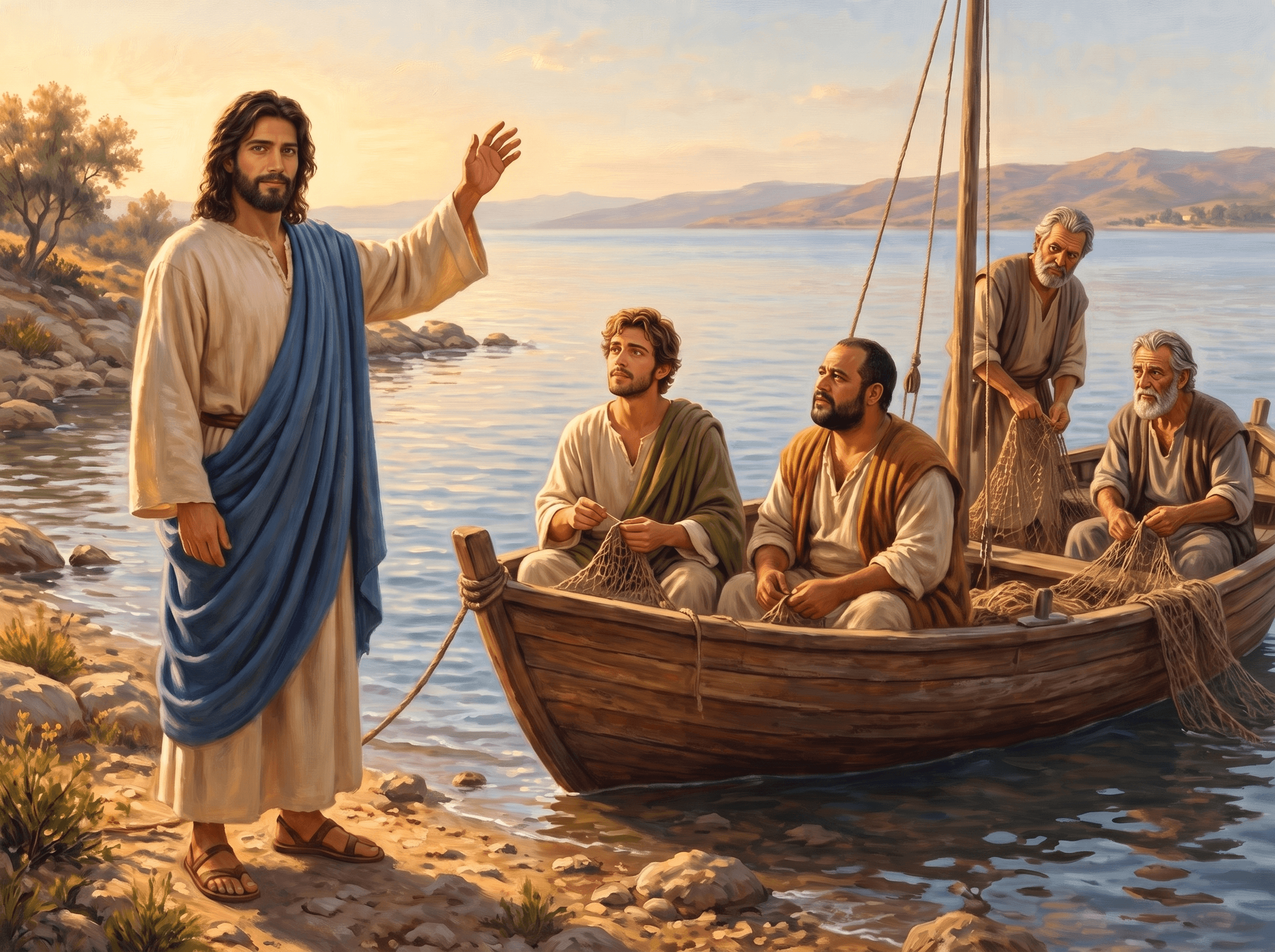
Illustrated scene from John the Apostle's story: Mending Their Nets (Mark 1:19–20)
Meet the people of the Bible
Follow their lives in order, with illustrated scenes and Bible passages that tell their stories.
 John the Apostle

Photo: Photochrom print, Library of Congress Prints and Photographs Division (LCCN 2002724966). License: Public domain in the United States; Library of Congress states no known restrictions on publication. Source. Location: Bethlehem, West Bank; print preserved by the Library of Congress. Resized for the web.
Explore the places of the Bible
See where biblical events happened, why each place matters, and what archaeology helps us understand.
Bethlehem
David's hometown, and the town where Jesus was born.
Get full access with one subscription
Explore the people and places of the Bible. Read summaries of every book, with images and clear explanations covering every chapter. Access all these features and our Bible study tools with one subscription.
See PlansAsk AI about Romans 11:24
Ask a question about this verse and get a clear answer, with Bible references you can read for yourself.
Every Bible book, explained chapter by chapter
Explore summaries of every book of the Bible, with images and easy-to-understand explanations covering every chapter.
Keep studying Romans 11:24
Related Bible verses
Key themes
Related topics
At a Glance — the Book of Romans
- Author
- Paul the apostle
- Written
- Around AD 57
- Genre
- Letter (epistle)
- Original Audience
- Christians in Rome
Frequently Asked Questions
Quick, clear answers about this verse
What does Romans 11:24 mean?
Romans 11:24 uses the metaphor of an olive tree to illustrate how Gentiles, represented as wild branches, have been grafted into God's people, the cultivated olive tree. This signifies God's grace in accepting those outside His covenant and suggests that He can also restore the Jewish people, the natural branches.
What is the significance of grafting in Romans 11:24?
Grafting in Romans 11:24 symbolizes the inclusion of Gentiles into God's family, showing that they can share in the blessings originally intended for Israel. It highlights God's ability to extend grace and mercy beyond traditional boundaries.
What does 'wild olive tree' refer to in Romans 11:24?
The 'wild olive tree' in Romans 11:24 refers to Gentiles who were not part of God's original covenant with Israel. It emphasizes their unexpected inclusion into God's plan, contrasting their wild nature with the cultivated olive tree representing God's chosen people.
What is the main message of Romans 11:24?
The main message of Romans 11:24 is that God's grace is inclusive and powerful, allowing Gentiles to be grafted into His family. It also reassures that God can restore the Jewish people, emphasizing hope and mercy for all.
Daily Verse — straight to your inbox
A verse and a 2-sentence plain-English explanation, every morning. Free. Unsubscribe anytime.