Old Testament
Zechariah 9:13
Read the Bible in clear, modern English—easy to understand, faithful to the meaning, and written for everyday readers.
When I have bent Judah as my bow, filled it with Ephraim, and stirred up your sons, O Zion, against your sons, O Greece, and made you like the sword of a mighty warrior.
Compare translations
When I have bent Judah for me, filled the bow with Ephraim, and raised up thy sons, O Zion, against thy sons, O Greece, and made thee as the sword of a mighty man.
What Zechariah 9:13 means
Plain-English insight for readers
In this verse, God uses the imagery of a bow and arrows to describe His relationship with His people. Judah is likened to a bow, and Ephraim (another name for Israel) is the arrow. God is empowering His people, represented by Zion, to rise up against their enemies, specifically Greece. The phrase 'sword of a mighty warrior' signifies strength and victory. This passage illustrates God's intention to use His people as instruments of His will, demonstrating His sovereignty and ability to protect and deliver them from adversaries. It emphasizes the idea that God equips His people for battle, both spiritually and physically, to achieve His purposes. The imagery of warfare also reflects the ongoing struggle between good and evil, where God stands with His people, ensuring they are not alone in their fight. This verse reassures believers of God's active role in their lives, encouraging them to trust in His power and guidance as they face challenges.
How to apply Zechariah 9:13 to your life
This verse encourages believers to recognize that God equips them for challenges they face. Just as He empowered Judah and Ephraim, He empowers us to confront our struggles. Trusting in God's strength can help us overcome obstacles and fulfill our purpose in His plan.
Curated for this public verse page. Zechariah Summary
Explore more of the Bible
Learn the Bible through its people and places
Get to know the people in Scripture through illustrated stories, and explore the places where they lived and traveled.

Illustrated scene from Joseph, Jacob's son's story: Joseph Is Born (Genesis 30:22–24)
Meet the people of the Bible
Follow their lives in order, with illustrated scenes and Bible passages that tell their stories.
 Joseph, Jacob's son
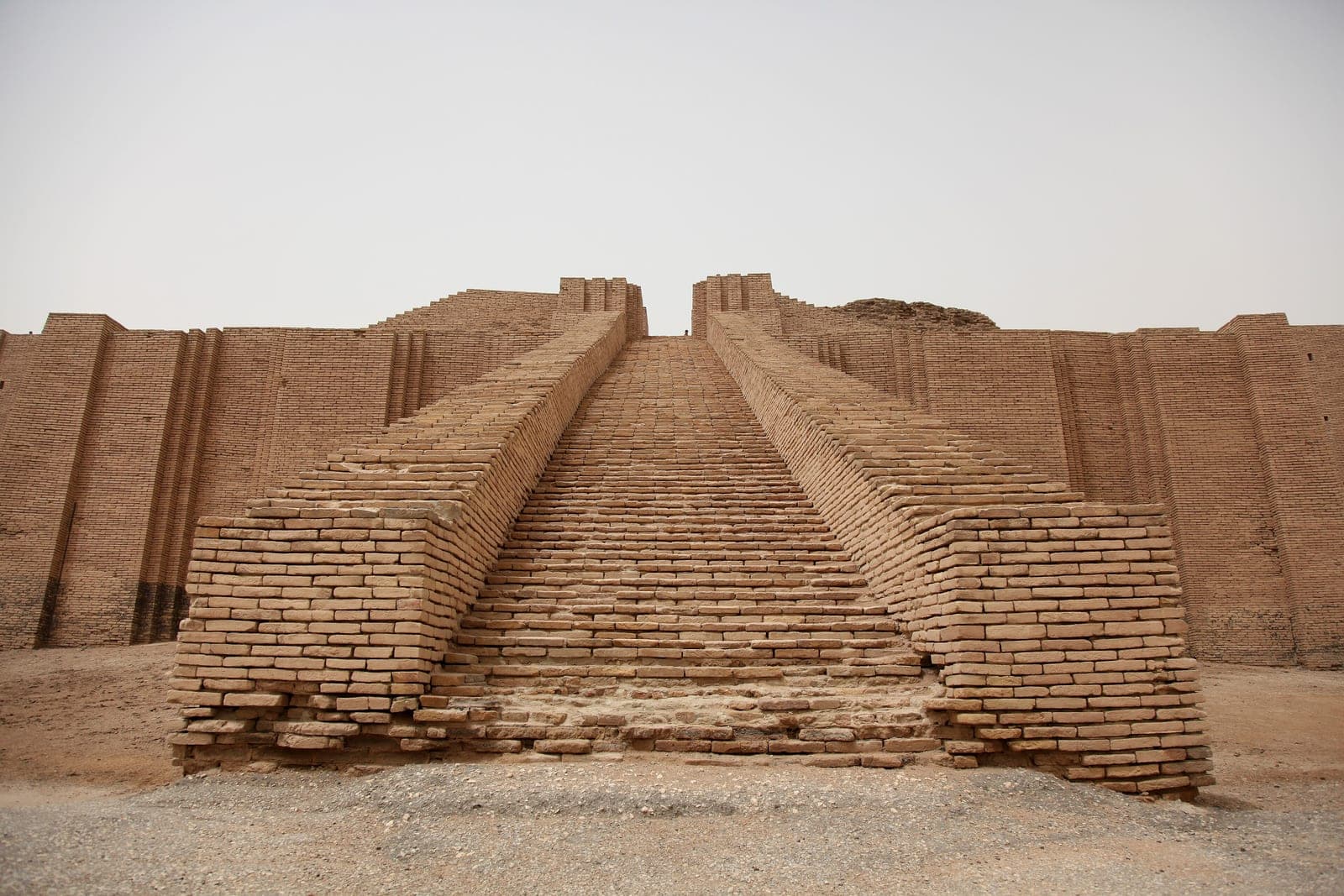
Photo: U.S. Army photo by Spc. Samantha R. Ciaramitaro, via DVIDS and Wikimedia Commons. License: Public domain in the United States — U.S. federal-government work. Source. Location: Great Ziggurat, Ur Archaeological City (Tell el-Mukayyar), Dhi Qar Governorate, Iraq. Resized for the web.
Explore the places of the Bible
See where biblical events happened, why each place matters, and what archaeology helps us understand.
Ur
The city Abram's family left to travel toward Canaan.
Get full access with one subscription
Explore the people and places of the Bible. Read summaries of every book, with images and clear explanations covering every chapter. Access all these features and our Bible study tools with one subscription.
See PlansAsk AI about Zechariah 9:13
Ask a question about this verse and get a clear answer, with Bible references you can read for yourself.
Every Bible book, explained chapter by chapter
Explore summaries of every book of the Bible, with images and easy-to-understand explanations covering every chapter.
Keep studying Zechariah 9:13
Related Bible verses
Key themes
Related topics
At a Glance — the Book of Zechariah
- Author
- Zechariah the prophet
- Written
- Around 520-480 BC
- Genre
- Prophecy and apocalyptic
- Original Audience
- Post-exilic Jews
Frequently Asked Questions
Quick, clear answers about this verse
What does Zechariah 9:13 mean?
Zechariah 9:13 uses the imagery of a bow and arrows to illustrate how God empowers His people, represented by Judah and Ephraim, to confront their enemies, specifically Greece. It emphasizes God's sovereignty and His role in equipping His people for victory.
What is the significance of Judah and Ephraim in Zechariah 9:13?
In Zechariah 9:13, Judah represents the bow and Ephraim symbolizes the arrows, indicating that God is using His people as instruments of His will. This imagery highlights the unity and strength of God's people in facing challenges.
What does the phrase 'sword of a mighty warrior' mean in Zechariah 9:13?
The phrase 'sword of a mighty warrior' in Zechariah 9:13 signifies strength and victory. It illustrates how God equips His people to achieve triumph over their adversaries.
How does Zechariah 9:13 relate to spiritual warfare?
Zechariah 9:13 relates to spiritual warfare by showing that God empowers His people to confront challenges and adversaries. It reassures believers that they are not alone in their struggles and that God actively supports them.
Daily Verse — straight to your inbox
A verse and a 2-sentence plain-English explanation, every morning. Free. Unsubscribe anytime.