What Does Hosea 6:6 Mean?
Hosea 6:6 meaning: what does God value more than religious rituals and formal worship
Clear Bible Translation
Modern EnglishFor I desire mercy, not sacrifice; and the knowledge of God more than burnt offerings.
King James Version
For I desired mercy, and not sacrifice; and the knowledge of God more than burnt offerings.
Verse Analysis
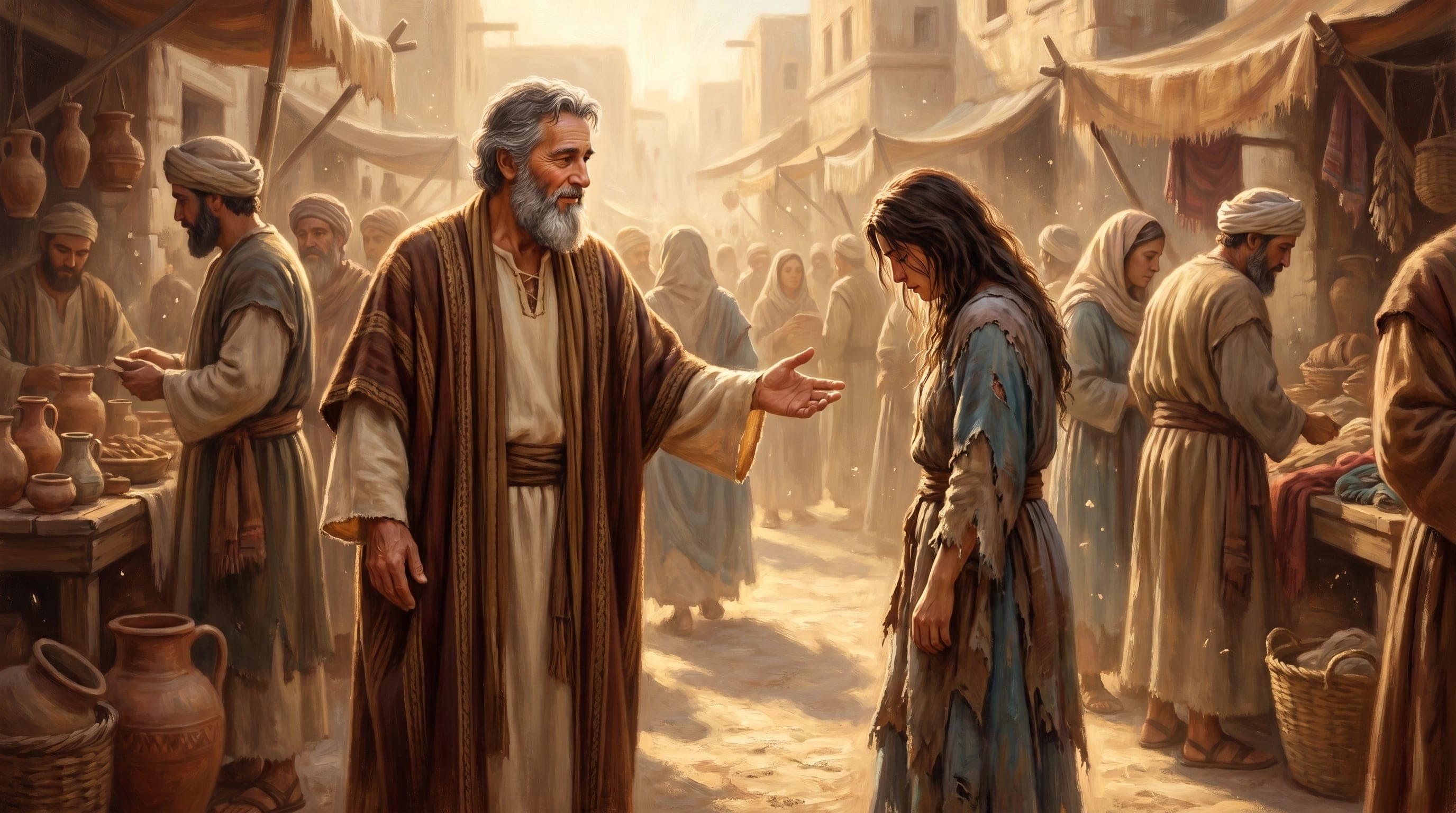
God values heartfelt compassion over religious ritual, genuine relationship over ceremonial duty. Through Hosea's prophetic voice, the Lord confronts Israel's hollow worship—their temples bustling with sacrificial smoke while their hearts remained cold toward both God and neighbor. The Hebrew word chesed, translated as mercy, carries profound weight: it means covenant loyalty, steadfast love, the kind of faithful devotion that acts with kindness even when it costs something. What makes this declaration revolutionary is its timing—spoken not to pagans who offered no sacrifices, but to religious people who had perfected the art of worship while missing its heart entirely. God desires worshipers who know Him intimately (da'at Elohim), not merely know about Him through ritual observance. Jesus himself quoted these exact words when defending his disciples' actions and his own ministry to tax collectors and sinners (Matthew 9:13, 12:7).
The prophet Hosea ministered to the northern kingdom of Israel during the 8th century BC, warning of coming Assyrian judgment while calling the nation back to covenant faithfulness.
This verse appears within Hosea's larger oracle about Israel's persistent unfaithfulness despite God's patient love. The prophet has just described Israel's fickle devotion—love that vanishes like morning mist and early dew (6:4). God responds by explaining what he actually wants from his people, contrasting internal transformation with external religious performance. The surrounding chapters detail Israel's political alliances and religious syncretism, showing how they maintained the forms of worship while abandoning covenant faithfulness.
Read the full chapter: Hosea 6 →
Applying This to Daily Life
Religious activity becomes meaningless when divorced from compassionate living and genuine pursuit of God's character. This challenges anyone who assumes church attendance, Bible reading, or charitable giving automatically pleases God while treating others harshly or remaining spiritually distant from Him.
Related Scripture
- Micah 6:8 →Connects authentic worship with covenant obedience
- Matthew 11:28 →Connects authentic worship with divine rest
- Romans 12:2 →Connects authentic worship with transformation
The Book of Hosea
Hosea 1: Hosea Takes Gomer
The word of the LORD comes to Hosea and commands him to take a wife of whoredoms because the land has committed great whoredom against the LORD. Hosea takes Gomer the daughter of Diblaim, and she bears a son. The LORD tells him to name the child Jezreel, declaring that He will avenge the blood of Jezreel upon the house of Jehu and cause the kingdom of Israel to cease. He says He will break the bow of Israel in the valley of Jezreel.
Unlock the full Hosea summary
Continue reading every chapter — themes, structure, and turning points.
The complete summary of Hosea — a chapter-by-chapter breakdown covering all 14 chapters.
What you get
Every chapter of Hosea summarized in clear, modern English
How each section connects — narrative flow, key themes, and turning points
Permanent access — read anytime, on any device
All 66 book summaries • unlimited AI tools • $99/year after trial
ClearBible summaries are proprietary content and may not be copied, republished, or resold.
Quick Answers
- What was happening when Hosea 6:6 was written?
- The prophet Hosea ministered to the northern kingdom of Israel during the 8th century BC, warning of coming Assyrian judgment while calling the nation back to covenant faithfulness.
- What is the central message of Hosea 6:6?
- The primary theme is authentic worship. Related themes include covenant faithfulness and social justice and heart transformation.
- How does this verse apply to modern life?
- Religious activity becomes meaningless when divorced from compassionate living and genuine pursuit of God's character. This challenges anyone who assumes church attendance, Bible reading, or charitable giving automatically pleases God while treating others harshly or remaining spiritually distant from Him.
Daily Verse — straight to your inbox
A verse and a 2-sentence plain-English explanation, every morning. Free. Unsubscribe anytime.