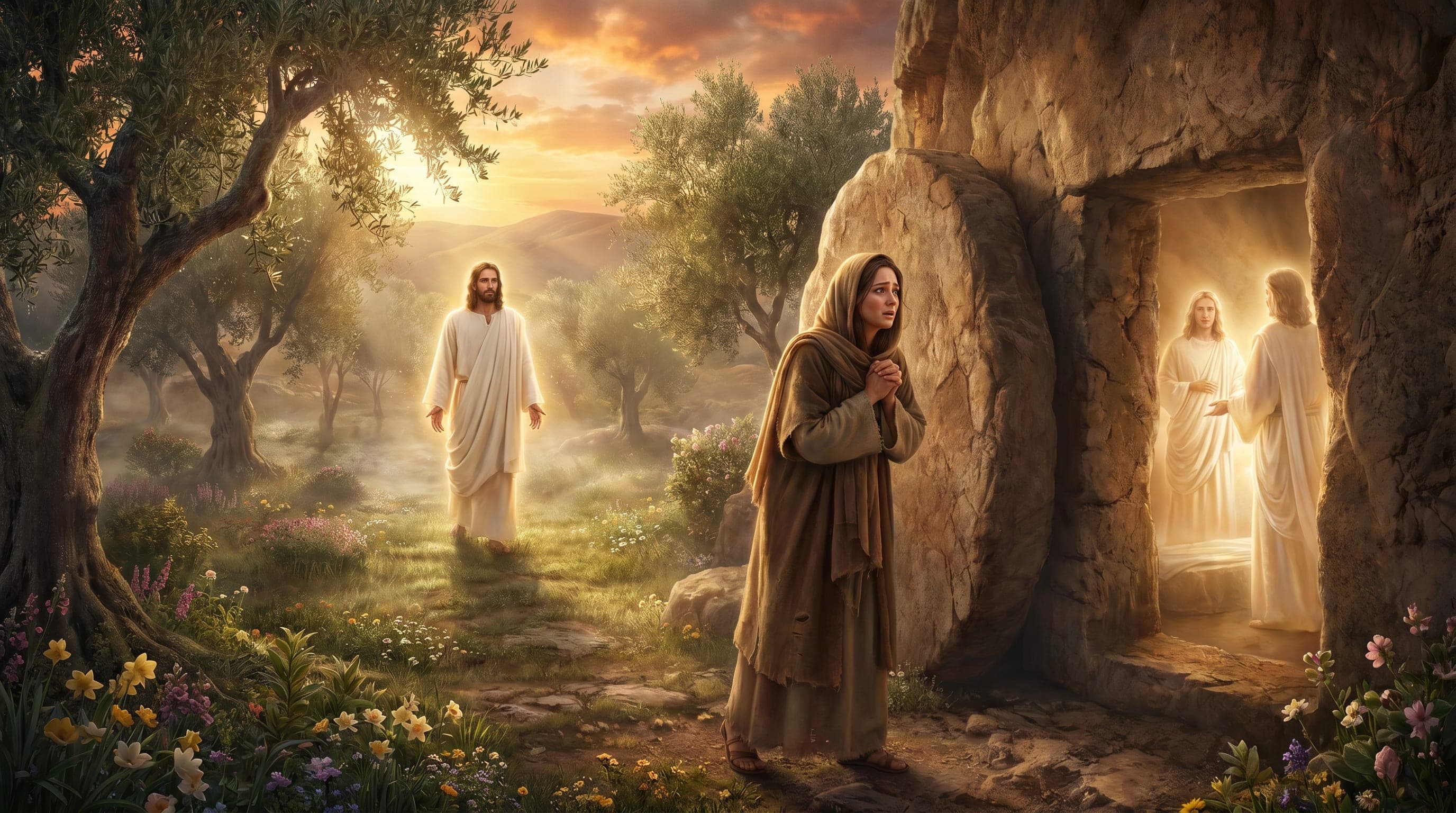
What Does John 10:10 Mean?
John 10:10 meaning: what does abundant life mean and how is it different from what false teachers offer
Clear Bible Translation
Modern EnglishThe thief comes only to steal, kill, and destroy. I have come so that they may have life, and have it abundantly.
King James Version
The thief cometh not, but for to steal, and to kill, and to destroy: I am come that they might have life, and that they might have it more abundantly.
Exegetical Breakdown
Why would Jesus speak of thieves and abundant life in the same breath? He's drawing a sharp contrast between false shepherds who exploit God's people and his own mission of restoration. The Greek word for "abundantly" (perissos) means overflowing, exceeding all bounds—not merely survival, but flourishing beyond measure. While religious leaders of his day burdened people with crushing regulations and offered little hope, Jesus came to restore the fullness of relationship with God that brings true vitality. This isn't prosperity theology, but the deep satisfaction that comes from knowing our Creator intimately.
Jesus has just told the parable of the good shepherd, contrasting himself with the Pharisees who have spiritually blinded and expelled the man born blind (chapter 9). The religious establishment has proven themselves to be thieves and hired hands rather than caring shepherds. Now Jesus explains his true purpose in coming—not to add another layer of religious burden, but to give what humanity has lost since Eden. The shepherd imagery would resonate powerfully with his audience, familiar with David's background and the rich Old Testament tradition of God as Israel's shepherd.
Read the full chapter: John 10 →
Practical Application
When voices around you promote spiritual anxiety or focus primarily on what you must do, remember that Jesus came to give life, not steal it. True spiritual vitality flows from understanding God's heart toward you—generous, protective, and life-giving rather than restrictive and condemning.
Connected Passages
- John 14:6 →Connects abundant life with exclusive salvation
- Matthew 11:28 →Connects abundant life with divine rest
- Jeremiah 29:11 →Connects abundant life with divine sovereignty
Reader Questions
- What is the historical background of John 10:10?
- John wrote his Gospel around 85-95 AD, likely in Ephesus, to demonstrate that Jesus is the Son of God. This conversation occurred during Jesus' ministry in Jerusalem, probably during the Feast of Dedication.
- What is the main theme of John 10:10?
- The primary theme is abundant life. Related themes include salvation and good shepherd and false teachers.
- Where is John 10:10 in the Bible?
- John, chapter 10, verse 10. Read John 10 →
Daily Verse — straight to your inbox
A verse and a 2-sentence plain-English explanation, every morning. Free. Unsubscribe anytime.