What Does Matthew 6:21 Mean?
Matthew 6:21 meaning: how our investments reveal and shape our spiritual priorities
Clear Bible Translation
Modern EnglishBecause wherever your treasure is, that's where your heart will be too.
King James Version
For where your treasure is, there will your heart be also.
Matthew in Focus
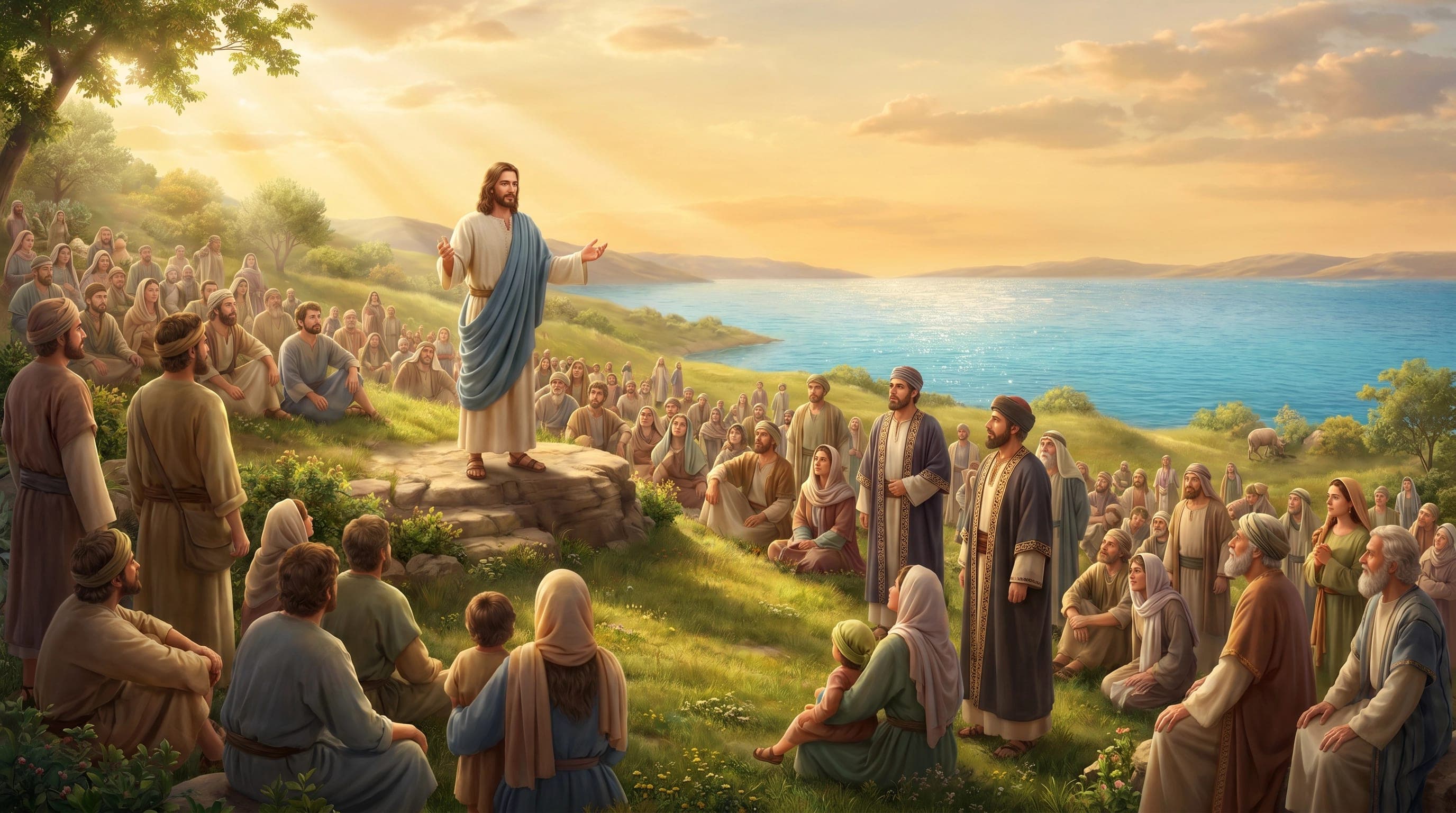
Matthew records Jesus's teaching during his Galilean ministry, likely around AD 28-30. The audience included Jewish peasants familiar with storing grain and valuables in conditions where moths, rust, and theft posed constant threats.
Why do people invest their time, money, and energy in things that ultimately leave them empty? Christ reveals a fundamental principle of human psychology: our deepest affections inevitably follow our investments. The Greek word θησαυρός (thesauros) encompasses not just material wealth but anything we store up or accumulate as valuable. Heart (καρδία) represents the center of human desire and will, not mere emotion. When we consistently direct our resources toward earthly gain, our desires become enslaved to temporal things; when we invest in God's kingdom, our affections naturally align with eternal values.
This principle concludes Jesus's teaching on earthly versus heavenly treasure in the Sermon on the Mount (Matthew 6:19-21). Christ has just contrasted moth-eaten, rust-corrupted earthly wealth with imperishable heavenly treasure. The following verses (6:22-24) extend this theme through metaphors of spiritual sight and divided loyalty, culminating in the impossible attempt to serve both God and money. Jesus addresses a mixed audience of disciples and crowds who lived under Roman taxation while maintaining temple obligations—people facing constant pressure about financial priorities.
Our spending patterns, career choices, and time investments reveal our true spiritual condition more accurately than our stated beliefs. Regular examination of bank statements and calendars provides a diagnostic tool for spiritual health, showing whether we're building toward eternal significance or temporary satisfaction.
Read the full chapter: Matthew 6 →
Scripture with Similar Themes
- Matthew 11:28 →Connects spiritual priorities with divine rest
- Proverbs 3:5 →Connects spiritual priorities with trust
- Romans 12:2 →Connects spiritual priorities with transformation
Common Questions
- Who wrote Matthew 6:21 and when?
- Matthew records Jesus's teaching during his Galilean ministry, likely around AD 28-30. The audience included Jewish peasants familiar with storing grain and valuables in conditions where moths, rust, and theft posed constant threats.
- What themes does Matthew 6:21 address?
- The primary theme is spiritual priorities. Related themes include stewardship and materialism and discipleship.
- What does the Bible say about spiritual priorities?
- Our spending patterns, career choices, and time investments reveal our true spiritual condition more accurately than our stated beliefs. Regular examination of bank statements and calendars provides a diagnostic tool for spiritual health, showing whether we're building toward eternal significance or temporary satisfaction.
Daily Verse — straight to your inbox
A verse and a 2-sentence plain-English explanation, every morning. Free. Unsubscribe anytime.