New Testament
Ephesians 2:15
Read the Bible in clear, modern English—easy to understand, faithful to the meaning, and written for everyday readers.
By abolishing in his flesh the enmity, which is the law of commandments contained in ordinances, he aimed to create in himself one new man from the two, thus making peace;
Compare translations
Having abolished in his flesh the enmity, even the law of commandments contained in ordinances; for to make in himself of twain one new man, so making peace;
What Ephesians 2:15 means
Plain-English insight for readers
In this verse, we see a powerful message about unity and peace. The 'enmity' refers to the deep divisions created by laws and rules that separated people. By taking on human form, Jesus broke down these barriers. His goal was to create a new community, a single group of people who are united in love and purpose. This new identity transcends previous divisions, such as cultural or religious differences. Through Jesus, we can find common ground and harmony. The peace he offers is not just the absence of conflict but a deep, abiding connection among all people. This transformation invites everyone to belong, regardless of their past. It’s a call to embrace each other as one family, reflecting the love and acceptance that Jesus embodies. This verse encourages us to live out this unity in our daily lives, fostering relationships that mirror this divine peace and acceptance. It’s a reminder that we are all part of something greater than ourselves, a community built on love and understanding.
How to apply Ephesians 2:15 to your life
To apply this message, seek to build bridges with those who are different from you. Embrace diversity and foster relationships that reflect love and acceptance. Look for opportunities to create peace in your community, promoting understanding and connection among all people. Remember, we are all part of one family in Christ. This is a powerful way to live out your faith daily. It can change lives and communities for the better.
Curated for this public verse page. Ephesians Summary
Explore more of the Bible
Learn the Bible through its people and places
Get to know the people in Scripture through illustrated stories, and explore the places where they lived and traveled.
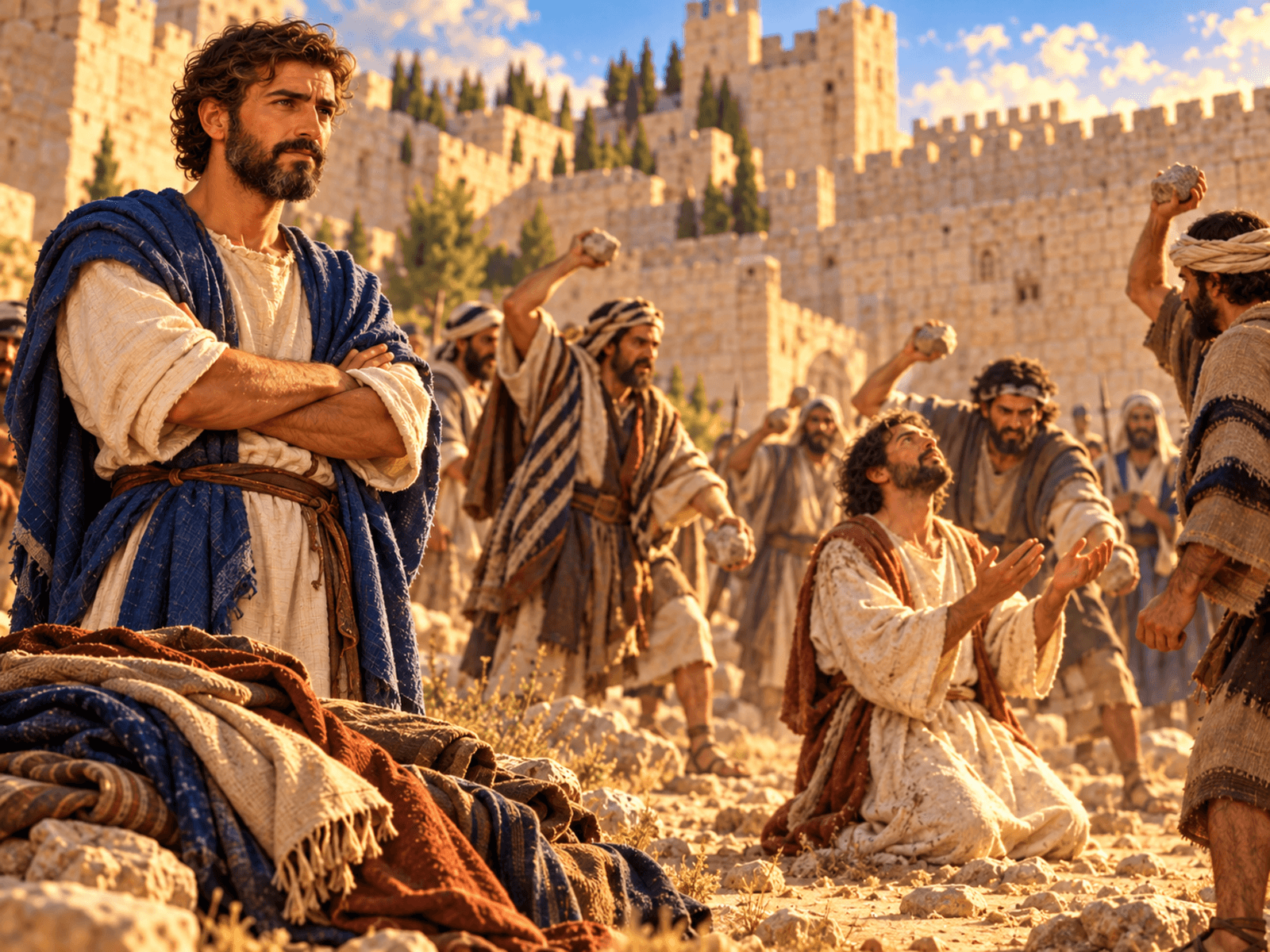
Illustrated scene from Paul's story: The Stoning of Stephen (Acts 7:57–8:2)
Meet the people of the Bible
Follow their lives in order, with illustrated scenes and Bible passages that tell their stories.
 Paul
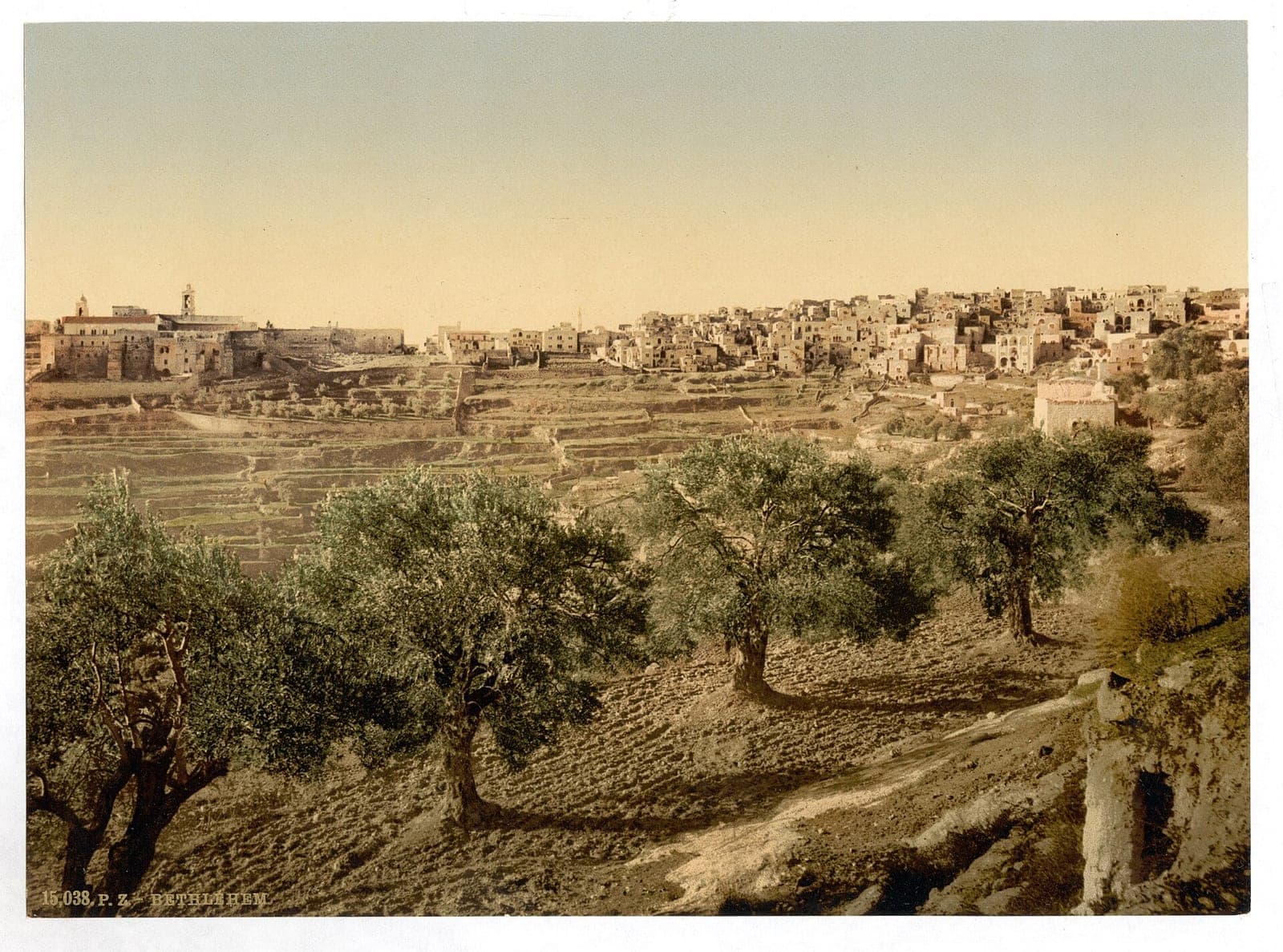
Photo: Photochrom print, Library of Congress Prints and Photographs Division (LCCN 2002724966). License: Public domain in the United States; Library of Congress states no known restrictions on publication. Source. Location: Bethlehem, West Bank; print preserved by the Library of Congress. Resized for the web.
Explore the places of the Bible
See where biblical events happened, why each place matters, and what archaeology helps us understand.
Bethlehem
David's hometown, and the town where Jesus was born.
Get full access with one subscription
Explore the people and places of the Bible. Read summaries of every book, with images and clear explanations covering every chapter. Access all these features and our Bible study tools with one subscription.
See PlansAsk AI about Ephesians 2:15
Ask a question about this verse and get a clear answer, with Bible references you can read for yourself.
Every Bible book, explained chapter by chapter
Explore summaries of every book of the Bible, with images and easy-to-understand explanations covering every chapter.
Keep studying Ephesians 2:15
Related Bible verses
Related topics
At a Glance — the Book of Ephesians
- Author
- Paul the apostle
- Written
- Around AD 60-62
- Genre
- Letter (epistle)
- Original Audience
- The church in Ephesus
Frequently Asked Questions
Quick, clear answers about this verse
What does Ephesians 2:15 mean by 'abolishing enmity'?
In Ephesians 2:15, 'abolishing enmity' refers to Jesus removing the hostility and divisions created by the law that separated different groups, particularly Jews and Gentiles. By fulfilling the law through his sacrifice, Jesus created a new identity for believers, uniting them into one community that transcends previous barriers.
How does Ephesians 2:15 relate to unity among believers?
Ephesians 2:15 emphasizes that through Jesus, believers are transformed into 'one new man,' highlighting the importance of unity in the Christian faith. This verse encourages Christians to embrace their shared identity in Christ, fostering relationships that reflect love, acceptance, and peace, regardless of cultural or religious backgrounds.
What practical steps can I take to promote peace as mentioned in Ephesians 2:15?
To promote peace as described in Ephesians 2:15, actively seek to understand and connect with those who are different from you. Engage in conversations that celebrate diversity, volunteer in community initiatives that bridge gaps, and practice forgiveness and acceptance in your relationships. These actions reflect the unity and peace that Jesus calls us to embody.
Why is the concept of 'one new man' significant in Ephesians 2:15?
The concept of 'one new man' in Ephesians 2:15 is significant because it symbolizes the creation of a unified community of believers in Christ. This new identity breaks down previous divisions, emphasizing that all believers, regardless of their backgrounds, are equal and belong to one family. It highlights the transformative power of Jesus' love and the call to live in harmony.
Daily Verse — straight to your inbox
A verse and a 2-sentence plain-English explanation, every morning. Free. Unsubscribe anytime.