New Testament
Ephesians 2:19
Read the Bible in clear, modern English—easy to understand, faithful to the meaning, and written for everyday readers.
So you are no longer outsiders or foreigners. You are fellow citizens with the saints and members of God's own household,
Compare translations
Now therefore ye are no more strangers and foreigners, but fellowcitizens with the saints, and of the household of God;
What Ephesians 2:19 means
Plain-English insight for readers
In this verse, the message is clear: you are no longer on the outside looking in. You have been welcomed into a community that is rich with history and purpose. Being a fellow citizen means you share in the same rights and responsibilities as those who have come before you. You are not just a visitor; you belong here. This is a family, and you are a valued member of it. The term 'saints' refers to those who are dedicated to a life of faith, and now you stand alongside them. You are part of God's household, which signifies a deep connection and love. This belonging is not just about being accepted; it’s about being embraced and cherished. You have a place where you can grow, contribute, and find support. This verse invites you to recognize your identity and the community you are part of, encouraging you to live out your faith with confidence and joy, knowing you are home among those who share your beliefs and values. You are never alone in this journey of faith and life.
How to apply Ephesians 2:19 to your life
Reflect on your place in your community and how you can contribute. Embrace the idea that you belong and are valued. Reach out to others who may feel like outsiders and invite them into your circle. Remember, you are part of something bigger than yourself, and that connection can bring strength and support in your life journey. Live out your faith with confidence and joy, knowing you are home among those who share your beliefs.
Curated for this public verse page. Ephesians Summary
Explore more of the Bible
Learn the Bible through its people and places
Get to know the people in Scripture through illustrated stories, and explore the places where they lived and traveled.
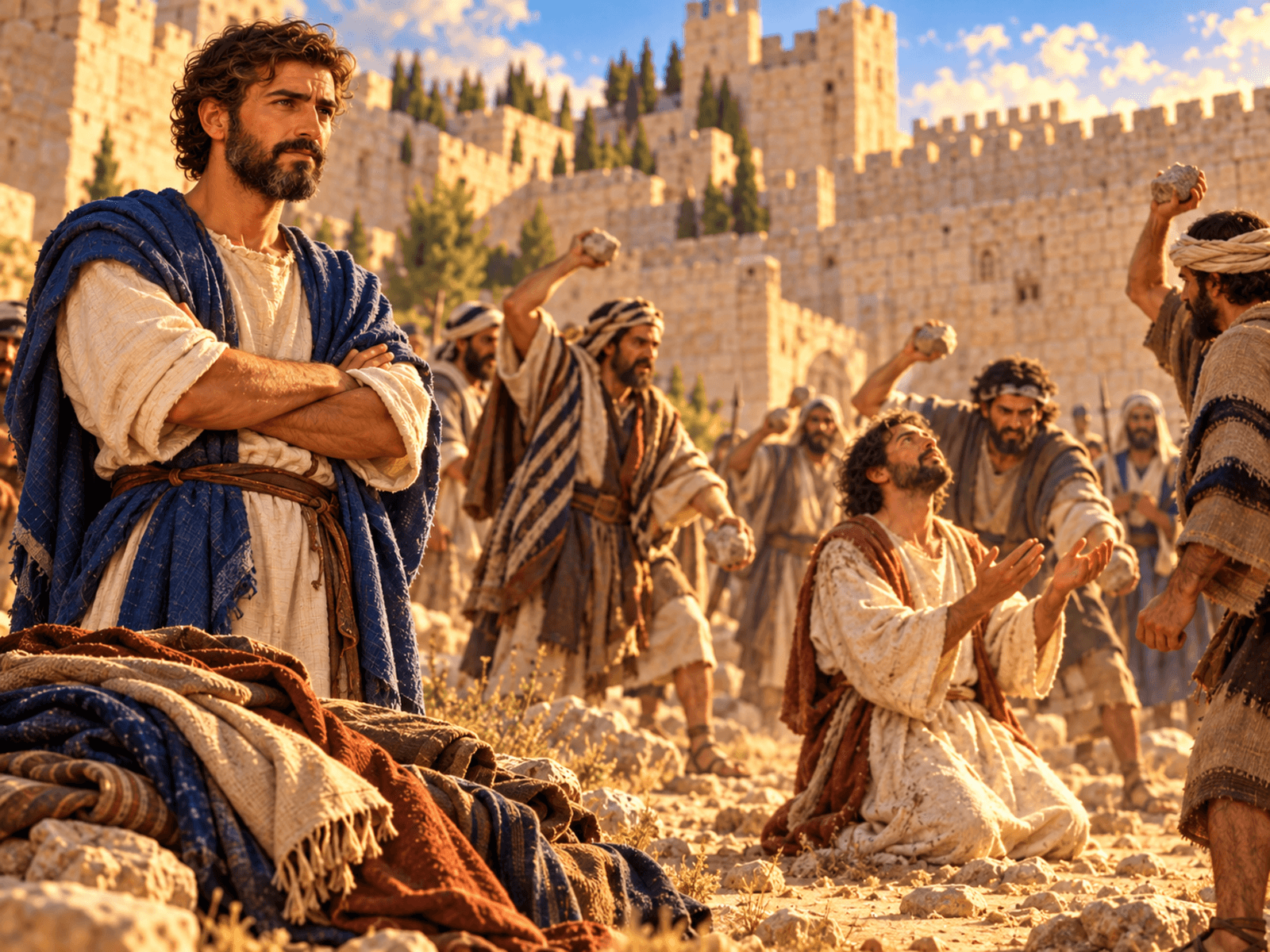
Illustrated scene from Paul's story: The Stoning of Stephen (Acts 7:57–8:2)
Meet the people of the Bible
Follow their lives in order, with illustrated scenes and Bible passages that tell their stories.
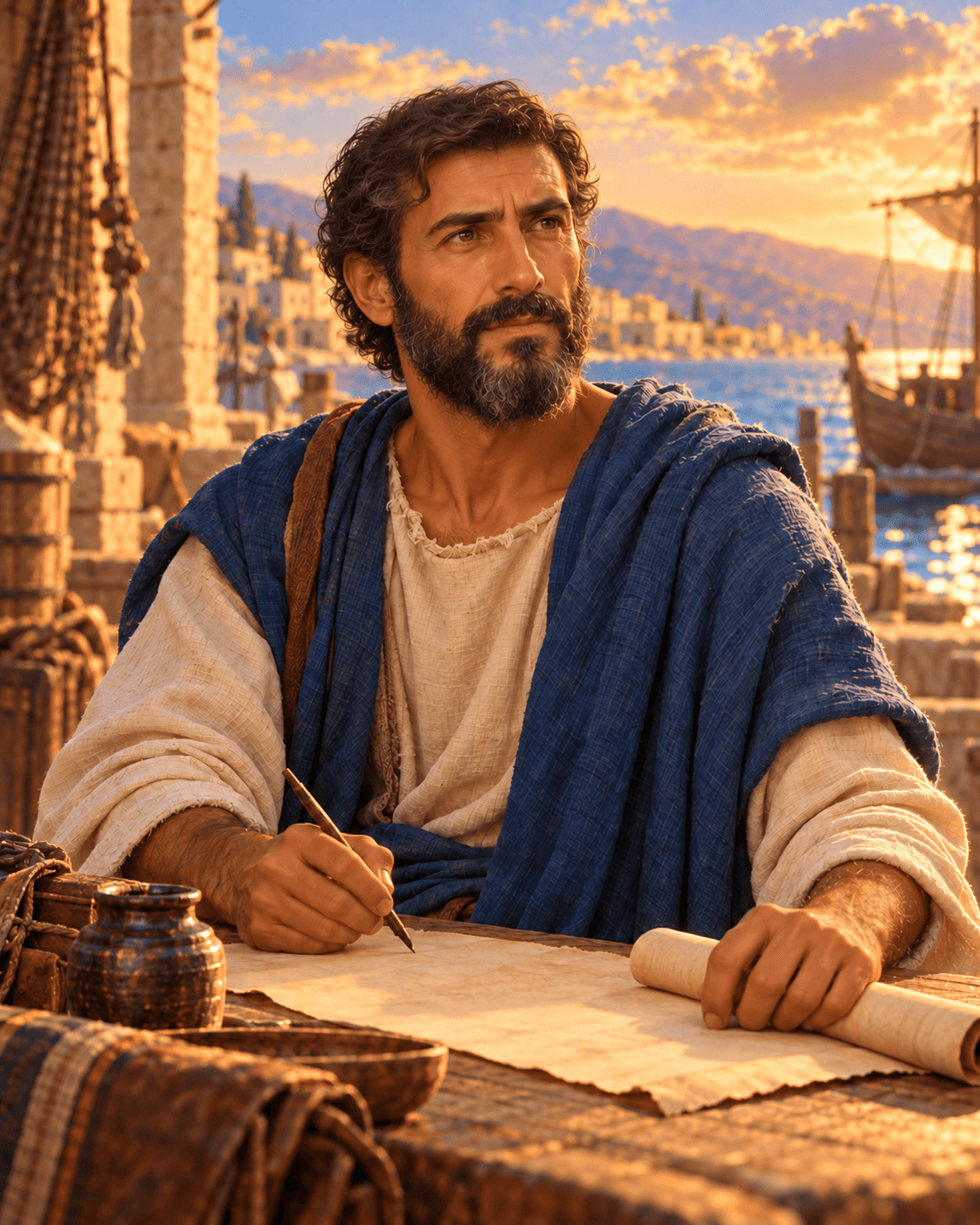 Paul

Photo: Photochrom print, Library of Congress Prints and Photographs Division (LCCN 2002724966). License: Public domain in the United States; Library of Congress states no known restrictions on publication. Source. Location: Bethlehem, West Bank; print preserved by the Library of Congress. Resized for the web.
Explore the places of the Bible
See where biblical events happened, why each place matters, and what archaeology helps us understand.
Bethlehem
David's hometown, and the town where Jesus was born.
Get full access with one subscription
Explore the people and places of the Bible. Read summaries of every book, with images and clear explanations covering every chapter. Access all these features and our Bible study tools with one subscription.
See PlansAsk AI about Ephesians 2:19
Ask a question about this verse and get a clear answer, with Bible references you can read for yourself.
Fuller verse explanations
Explore what a verse means, what was happening around it, and how it connects to other Bible passages.
Plain Meaning
Paul tells the Gentile believers that their old status is gone. Before, they were outsiders — cut off from God's people and His promises (verse 12). Now they are full members, standing on equal ground with Jewish believers. "Fellowcitizens with the saints" means they belong to the same community as God's people. "Household of God" means they are part of God's own family.
Read It in Context
Paul is addressing Gentiles — non-Jewish believers. In verse 12 he described their old condition: aliens, strangers, without hope, without God. Verses 13–18 explain what changed: Christ broke down the wall dividing Jews and Gentiles and gave both groups equal access to the Father. Verse 19 states the result of all that.
The full Clear view adds what to notice, common misreadings, and the passage that best explains this one — for Ephesians 2:19 and any verse in the Bible.
Every Bible book, explained chapter by chapter
Explore summaries of every book of the Bible, with images and easy-to-understand explanations covering every chapter.
Keep studying Ephesians 2:19
Related Bible verses
At a Glance — the Book of Ephesians
- Author
- Paul the apostle
- Written
- Around AD 60-62
- Genre
- Letter (epistle)
- Original Audience
- The church in Ephesus
Frequently Asked Questions
Quick, clear answers about this verse
What does Ephesians 2:19 mean?
Ephesians 2:19 means that believers are no longer outsiders but are now part of God's family. It emphasizes belonging to a community of faith where individuals share in the same rights and responsibilities.
What is the meaning of 'fellow citizens' in Ephesians 2:19?
'Fellow citizens' in Ephesians 2:19 refers to believers who are united with other saints in God's household. It signifies equality and shared identity within the community of faith.
How does Ephesians 2:19 relate to community?
Ephesians 2:19 relates to community by illustrating that believers are part of a larger family of faith. It encourages individuals to recognize their role and contribution within this supportive environment.
Daily Verse — straight to your inbox
A verse and a 2-sentence plain-English explanation, every morning. Free. Unsubscribe anytime.