Old Testament
Exodus 27:15
Read the Bible in clear, modern English—easy to understand, faithful to the meaning, and written for everyday readers.
On the other side of the entrance, hang another 15 cubits of curtains from 3 pillars set in 3 bases.
Compare translations
And on the other side shall be hangings fifteen cubits: their pillars three, and their sockets three.
What Exodus 27:15 means
Plain-English insight for readers
In this passage, we see instructions for setting up a specific part of the tabernacle, which was a sacred space for worship. The curtains are to be hung on the opposite side of the entrance, creating a boundary that signifies a transition into a holy area. The measurement of 15 cubits indicates the height or length of the curtains, emphasizing the importance of precise dimensions in sacred spaces. The three pillars and their bases provide the necessary support for these curtains, ensuring they stand firm. This setup not only serves a practical purpose but also symbolizes the separation between the ordinary and the divine. By following these instructions, the people are reminded of the significance of their worship and the presence of God among them. Each detail, from the curtains to the pillars, reflects a deeper meaning of reverence and order in their relationship with the divine. This careful arrangement invites worshippers to approach with respect and intention, highlighting the importance of creating a space for connection with God.
How to apply Exodus 27:15 to your life
Consider how you create spaces in your life for reflection and connection. Just as the curtains defined a sacred area, think about how you can set boundaries that help you focus on what matters most. Intentionality in your environment can enhance your spiritual experience and personal growth. Make time for moments of quiet and connection with the divine in your daily routine. This can lead to deeper understanding and fulfillment.
Curated for this public verse page. Exodus Summary
Explore more of the Bible
Learn the Bible through its people and places
Get to know the people in Scripture through illustrated stories, and explore the places where they lived and traveled.

Illustrated scene from Moses's story: Israel Enslaved in Egypt (Exodus 1:8–22)
Meet the people of the Bible
Follow their lives in order, with illustrated scenes and Bible passages that tell their stories.
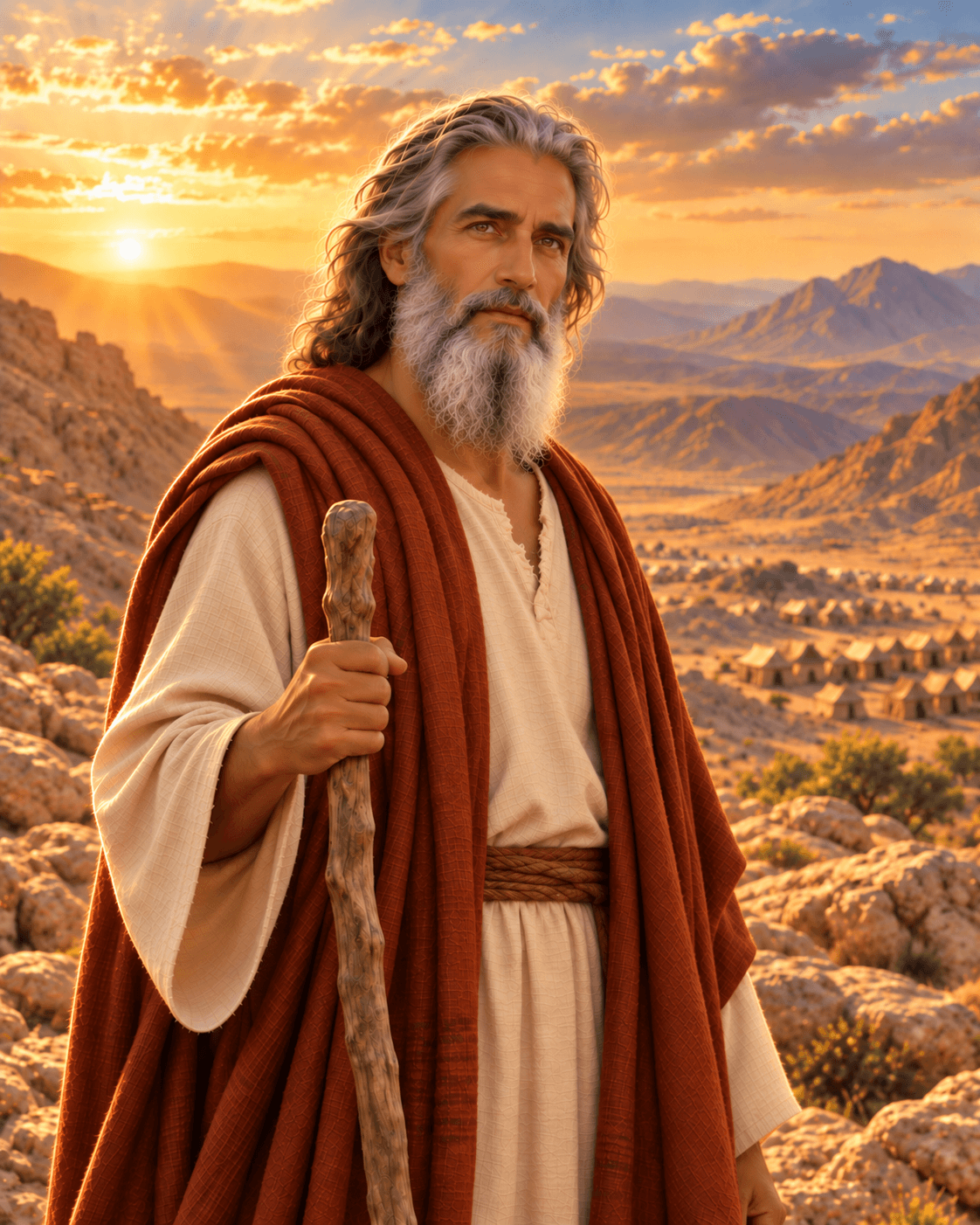 Moses
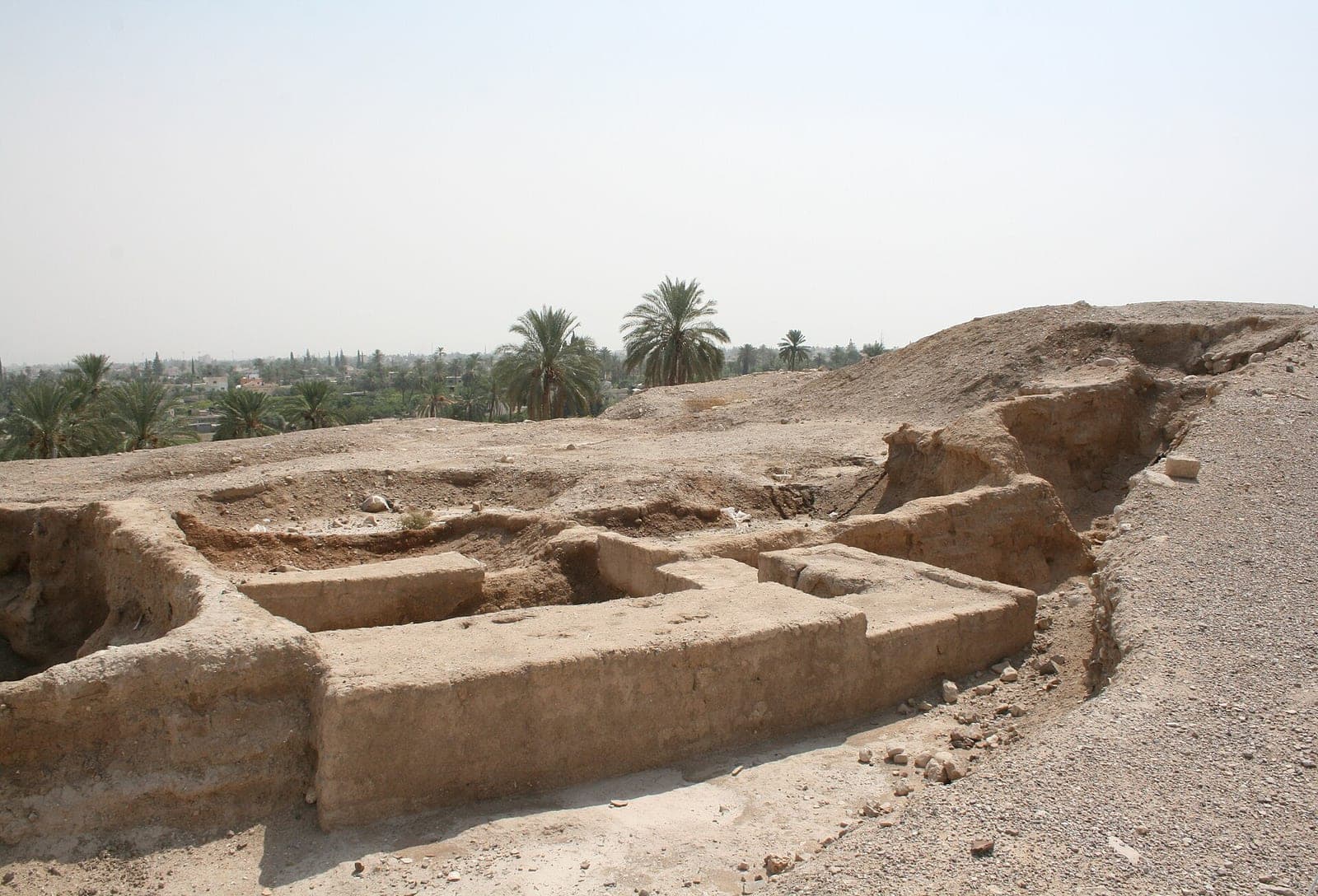
Photo: Diego Delso, via Wikimedia Commons. License: CC BY-SA 3.0. Source. Location: Tell es-Sultan, Jericho, West Bank. Resized for the web.
Explore the places of the Bible
See where biblical events happened, why each place matters, and what archaeology helps us understand.
Jericho
The city of palm trees, whose walls fell in Joshua's day.
Get full access with one subscription
Explore the people and places of the Bible. Read summaries of every book, with images and clear explanations covering every chapter. Access all these features and our Bible study tools with one subscription.
See PlansAsk AI about Exodus 27:15
Ask a question about this verse and get a clear answer, with Bible references you can read for yourself.
Every Bible book, explained chapter by chapter
Explore summaries of every book of the Bible, with images and easy-to-understand explanations covering every chapter.
Keep studying Exodus 27:15
Related Bible verses
Key themes
Related topics
At a Glance — the Book of Exodus
- Author
- Traditionally attributed to Moses
- Written
- Around 1400 BC
- Genre
- Law (Pentateuch)
- Original Audience
- The Israelites in the wilderness
Frequently Asked Questions
Quick, clear answers about this verse
What is the significance of the 15 cubits in Exodus 27:15?
The 15 cubits mentioned in Exodus 27:15 refer to the height or length of the curtains that were to be hung on the opposite side of the entrance to the tabernacle. This specific measurement emphasizes the importance of precision in creating sacred spaces, as it reflects God's order and design. The curtains serve to create a boundary that signifies a transition into a holy area, reminding worshippers of the sacredness of their surroundings.
Why were pillars and bases used for the curtains in the tabernacle?
The use of three pillars and their corresponding bases in Exodus 27:15 provides structural support for the curtains, ensuring they remain upright and functional. This design not only serves a practical purpose but also symbolizes stability and strength in the worship environment. The pillars represent a connection between the earthly and the divine, reinforcing the idea that worship requires a solid foundation.
How does Exodus 27:15 relate to modern worship practices?
Exodus 27:15 highlights the importance of creating intentional spaces for worship, which can be applied to modern practices. Just as the tabernacle had specific boundaries and structures, contemporary worship settings often include designated areas for prayer and reflection. This encourages individuals to focus on their spiritual connection and fosters an atmosphere of reverence, reminding us to approach worship with intention and respect.
What can we learn about boundaries from Exodus 27:15?
Exodus 27:15 teaches us about the importance of boundaries in our spiritual lives. The curtains create a defined space that separates the ordinary from the sacred, encouraging worshippers to enter with a sense of purpose. In our own lives, setting boundaries can help us prioritize our spiritual practices and create environments conducive to reflection and connection with God, ultimately enhancing our personal growth.
Daily Verse — straight to your inbox
A verse and a 2-sentence plain-English explanation, every morning. Free. Unsubscribe anytime.