Old Testament
Exodus 27:16
Read the Bible in clear, modern English—easy to understand, faithful to the meaning, and written for everyday readers.
For the entrance gate itself, make a screen 20 cubits wide out of blue, purple, and scarlet yarn and finely woven linen, decorated with embroidery. It will hang from 4 pillars set in 4 bases.
Compare translations
And for the gate of the court shall be an hanging of twenty cubits, of blue, and purple, and scarlet, and fine twined linen, wrought with needlework: and their pillars shall be four, and their sockets four.
What Exodus 27:16 means
Plain-English insight for readers
In this passage, God instructs the Israelites on how to create a beautiful entrance gate for the courtyard of the tabernacle. The gate is to be 20 cubits wide, made from vibrant blue, purple, and scarlet yarn, along with finely woven linen. This design is not just functional; it is also artistic, featuring intricate embroidery. The gate will hang from four sturdy pillars, each set in a solid base. This attention to detail reflects the importance of the tabernacle as a sacred space. The colors chosen symbolize royalty and divinity, inviting people to approach with reverence. The craftsmanship involved signifies the value of worship and the beauty of God's presence among His people. Overall, this gate serves as a reminder of the significance of entering into a holy space with respect and awe, highlighting the relationship between God and His people through the physical representation of the tabernacle's entrance. It sets the tone for the worship experience that follows.
How to apply Exodus 27:16 to your life
When we approach sacred moments in our lives, we should do so with intention and respect. Just as the Israelites created a beautiful entrance, we can cultivate our environments to reflect our values and beliefs. This can be through our actions, words, and the way we treat others, inviting a sense of reverence into our daily lives. Remember, beauty can enhance our connection to the divine and to each other, making our experiences more meaningful.
Curated for this public verse page. Exodus Summary
Explore more of the Bible
Learn the Bible through its people and places
Get to know the people in Scripture through illustrated stories, and explore the places where they lived and traveled.

Illustrated scene from Moses's story: Israel Enslaved in Egypt (Exodus 1:8–22)
Meet the people of the Bible
Follow their lives in order, with illustrated scenes and Bible passages that tell their stories.
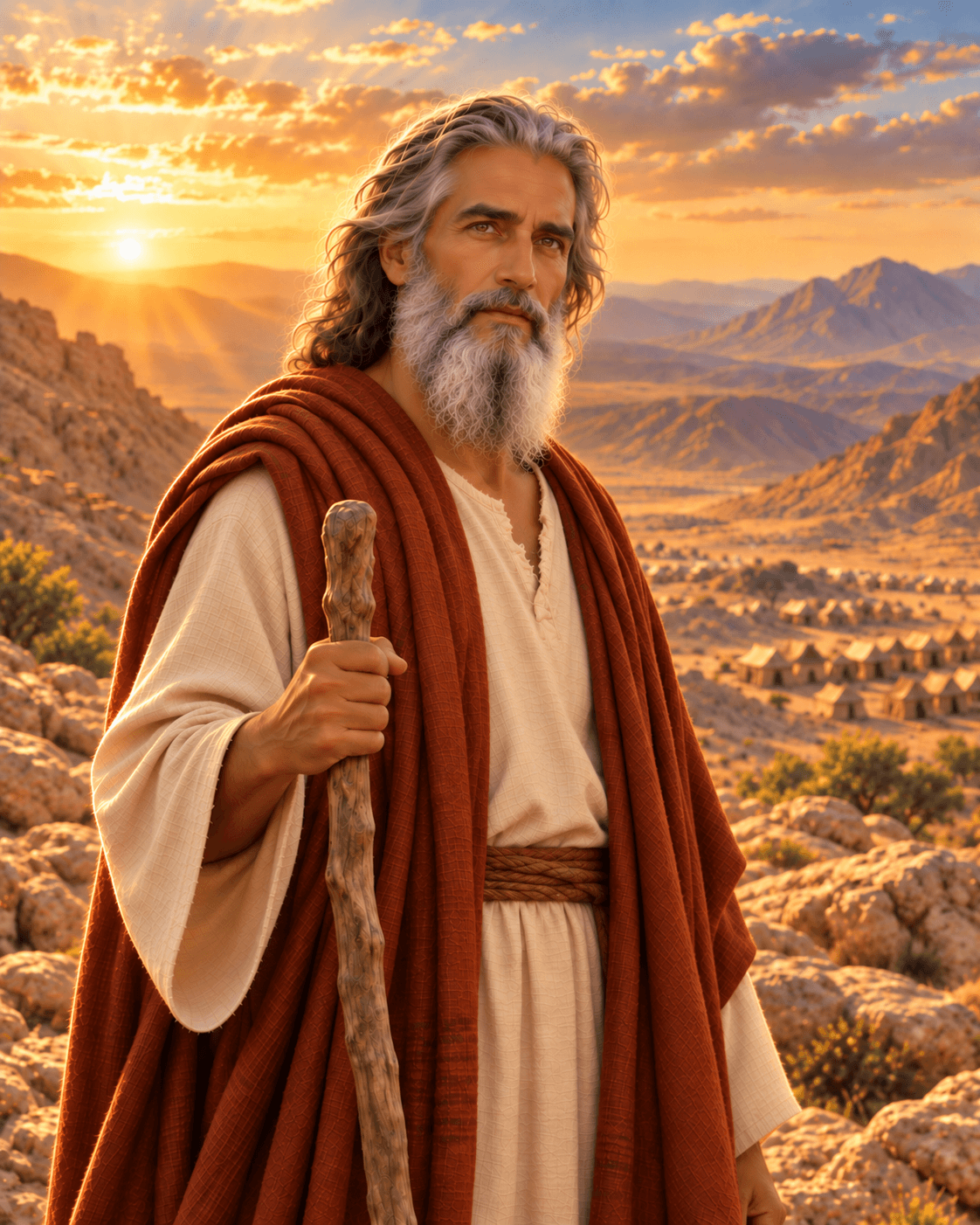 Moses
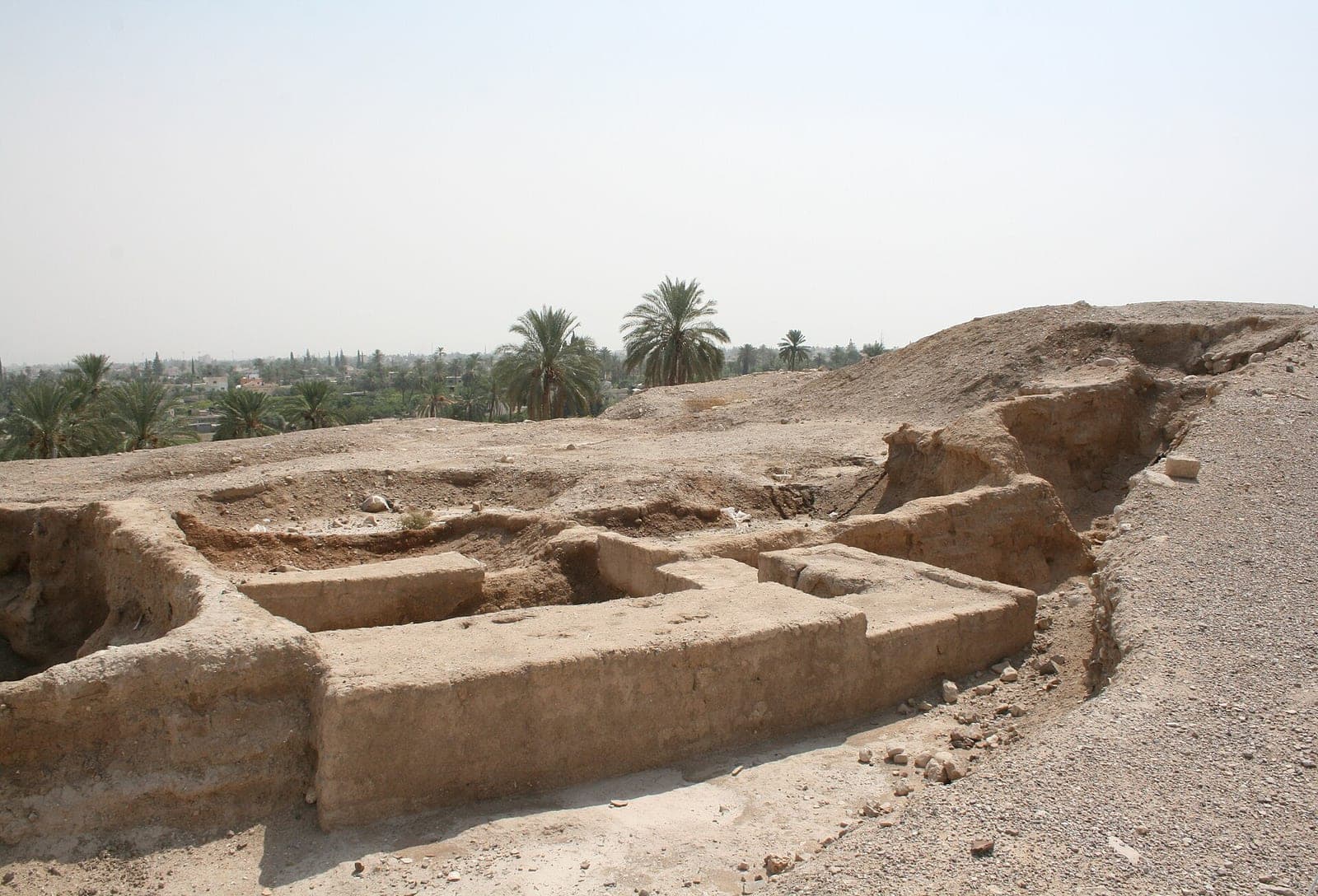
Photo: Diego Delso, via Wikimedia Commons. License: CC BY-SA 3.0. Source. Location: Tell es-Sultan, Jericho, West Bank. Resized for the web.
Explore the places of the Bible
See where biblical events happened, why each place matters, and what archaeology helps us understand.
Jericho
The city of palm trees, whose walls fell in Joshua's day.
Get full access with one subscription
Explore the people and places of the Bible. Read summaries of every book, with images and clear explanations covering every chapter. Access all these features and our Bible study tools with one subscription.
See PlansAsk AI about Exodus 27:16
Ask a question about this verse and get a clear answer, with Bible references you can read for yourself.
Every Bible book, explained chapter by chapter
Explore summaries of every book of the Bible, with images and easy-to-understand explanations covering every chapter.
Keep studying Exodus 27:16
Related Bible verses
Key themes
Related topics
At a Glance — the Book of Exodus
- Author
- Traditionally attributed to Moses
- Written
- Around 1400 BC
- Genre
- Law (Pentateuch)
- Original Audience
- The Israelites in the wilderness
Frequently Asked Questions
Quick, clear answers about this verse
What does Exodus 27:16 teach about the tabernacle's entrance?
Exodus 27:16 provides specific instructions for creating the entrance gate of the tabernacle, emphasizing its beauty and significance. The gate is to be 20 cubits wide and made from blue, purple, and scarlet yarn, along with finely woven linen, showcasing intricate embroidery. This design reflects the importance of the tabernacle as a sacred space and symbolizes God's presence among His people, inviting them to approach with reverence.
Why are specific colors used in the gate's design?
The colors blue, purple, and scarlet used in the gate's design hold significant meaning. Blue often represents heaven and divine revelation, purple symbolizes royalty and nobility, and scarlet can signify sacrifice and redemption. Together, these colors create a visual representation of God's majesty and the sacredness of the space, inviting worshippers to recognize the importance of approaching God with honor and respect.
How can we apply the principles of Exodus 27:16 in our lives?
The principles from Exodus 27:16 encourage us to approach sacred moments with intention and respect. Just as the Israelites crafted a beautiful entrance to the tabernacle, we can create environments in our lives that reflect our values and beliefs. This can be through our actions, words, and how we treat others, fostering a sense of reverence in our daily interactions and enhancing our connection to the divine.
What does the craftsmanship in Exodus 27:16 signify?
The craftsmanship described in Exodus 27:16 signifies the value of worship and the importance of beauty in our relationship with God. The detailed embroidery and quality materials used for the entrance gate highlight that worship is not just a routine but a meaningful experience. It reminds us that the effort we put into our worship and the environments we create can enhance our spiritual connection and reflect our reverence for God.
Daily Verse — straight to your inbox
A verse and a 2-sentence plain-English explanation, every morning. Free. Unsubscribe anytime.