New Testament
John 18:39
Read the Bible in clear, modern English—easy to understand, faithful to the meaning, and written for everyday readers.
"But you have a custom that I release one prisoner to you at the Passover. Do you want me to release the King of the Jews to you?"
Compare translations
But ye have a custom, that I should release unto you one at the passover: will ye therefore that I release unto you the King of the Jews?
What John 18:39 means
Plain-English insight for readers
In this verse, Jesus is presented before the crowd during the Passover festival, a time when it was customary for the Roman governor to release a prisoner. Pilate, the governor, is trying to gauge the crowd's desire regarding Jesus, whom he refers to as the 'King of the Jews.' He is essentially asking if they want him to release Jesus instead of another prisoner. This moment highlights the tension between the Jewish leaders and Jesus, as well as the political maneuvering of Pilate, who is caught between his duty to maintain order and his recognition of Jesus' innocence. The crowd's response will ultimately lead to Jesus' crucifixion, showcasing the irony of the situation where the true King is offered to them, yet they choose to reject him. This verse sets the stage for the events that follow, emphasizing the themes of choice, sacrifice, and the fulfillment of prophecy.
How to apply John 18:39 to your life
This verse encourages us to reflect on the choices we make, especially when faced with societal pressures. Just as the crowd had the opportunity to choose Jesus, we too must decide how we respond to Him in our lives. Are we willing to embrace Him or follow the crowd?
Curated for this public verse page. John Summary
Learn the Bible through its people and places
Get to know the people in Scripture through illustrated stories, and explore the places where they lived and traveled.
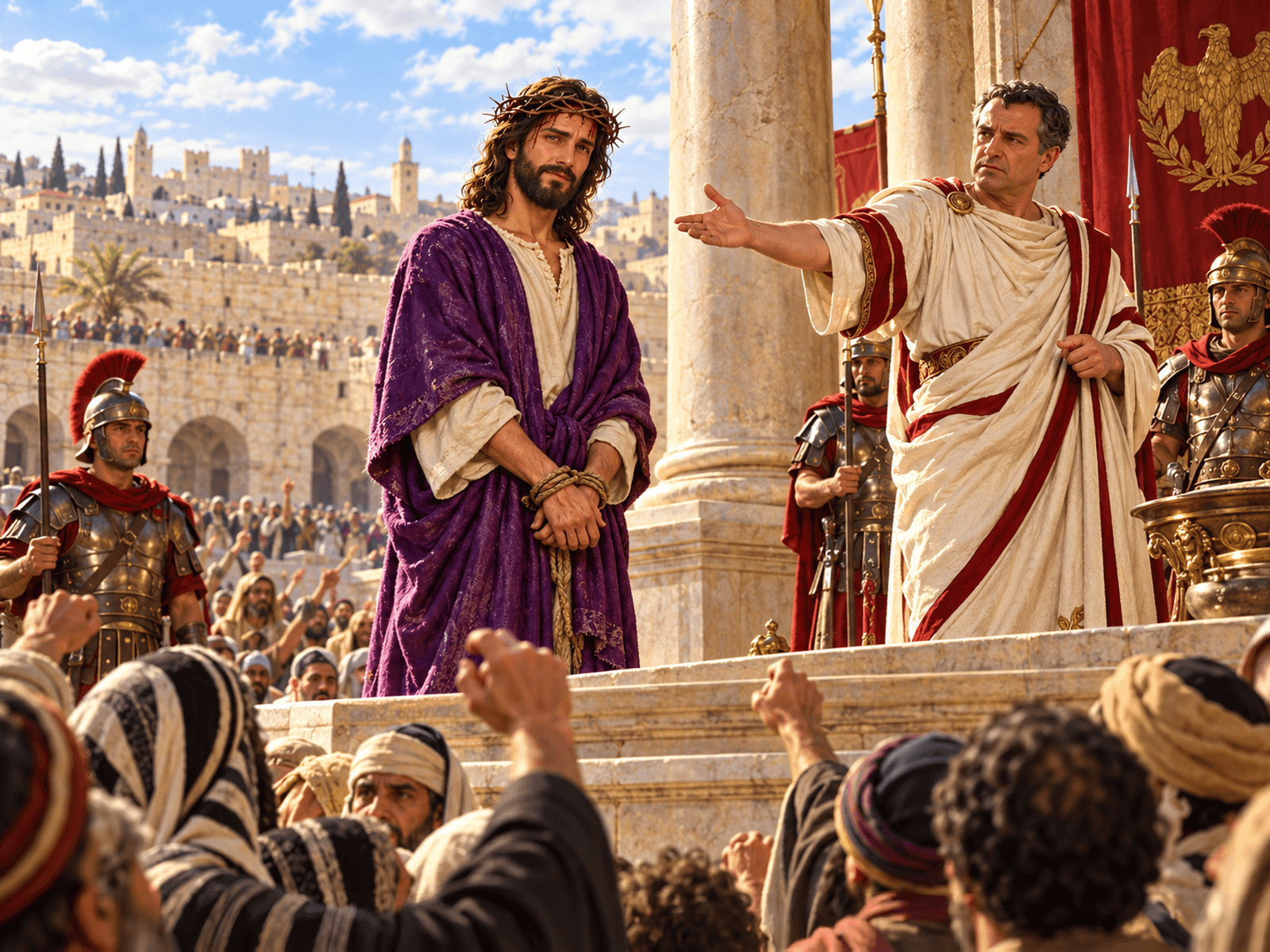
Illustrated scene from Jesus's story: On Trial Before Pilate (John 18:28–19:16)
Meet the people of the Bible
Follow their lives in order, with illustrated scenes and Bible passages that tell their stories.
 Jesus
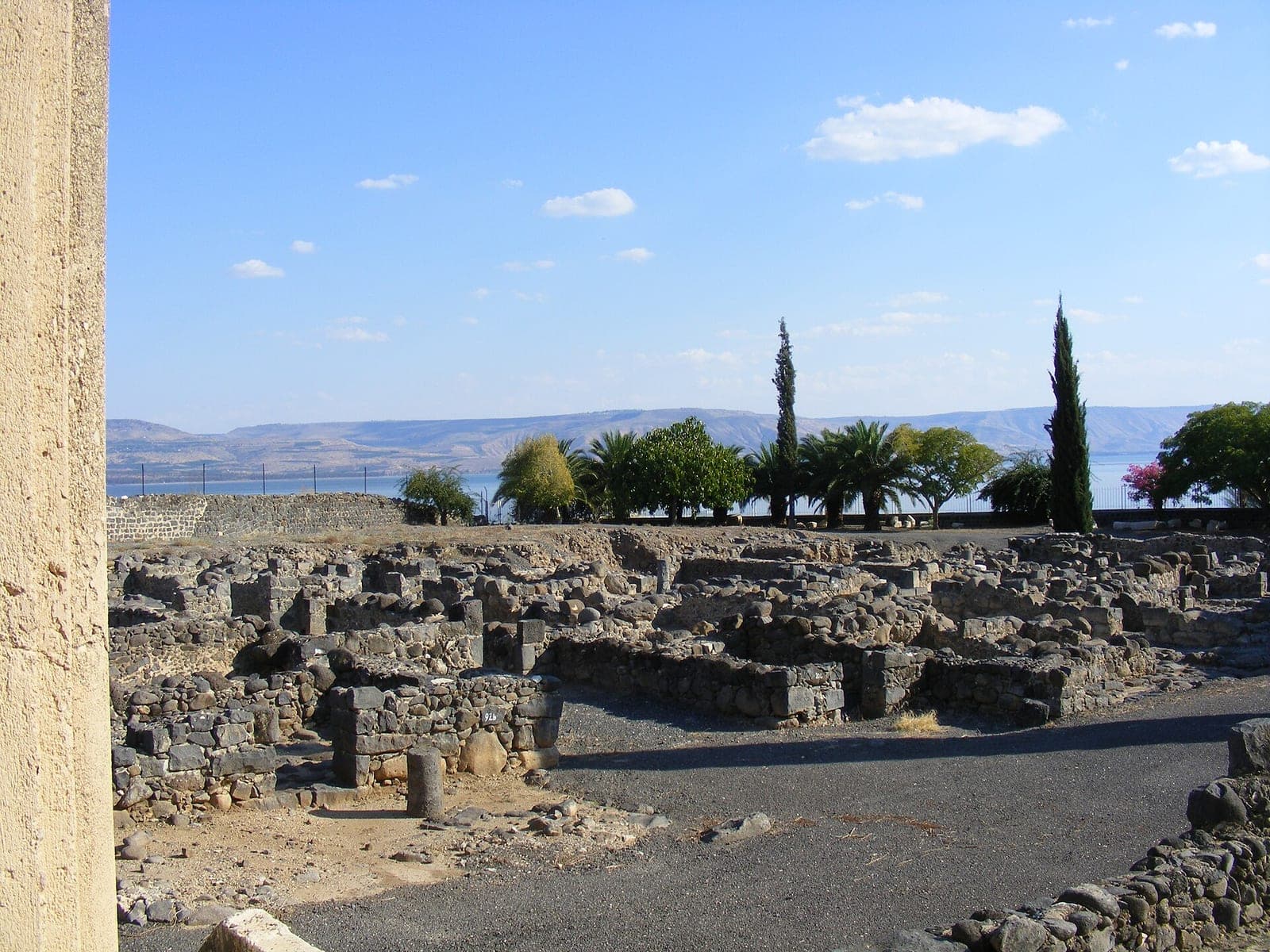
Photo: zeevveez, via Wikimedia Commons. License: CC BY 2.0. Source. Location: Capernaum, on the northern shore of the Sea of Galilee. Resized for the web.
Explore the places of the Bible
See where biblical events happened, why each place matters, and what archaeology helps us understand.
Capernaum
Jesus' home base by the Sea of Galilee, and the town where Peter lived.
Get full access with one subscription
Explore the people and places of the Bible. Read summaries of every book, with images and clear explanations covering every chapter. Access all these features and our Bible study tools with one subscription.
See PlansAsk AI about John 18:39
Ask a question about this verse and get a clear answer, with Bible references you can read for yourself.
Every Bible book, explained chapter by chapter
Explore summaries of every book of the Bible, with images and easy-to-understand explanations covering every chapter.
Keep studying John 18:39
Related Bible verses
At a Glance — the Book of John
- Author
- John the apostle
- Written
- Around AD 85-95
- Genre
- Gospel
- Original Audience
- All believers
Frequently Asked Questions
Quick, clear answers about this verse
What does John 18:39 mean?
John 18:39 refers to the custom during Passover when the Roman governor would release a prisoner. Pilate is asking the crowd if they want him to release Jesus, whom he calls the 'King of the Jews,' highlighting the choice they have to make.
What is the significance of the crowd's choice in John 18:39?
The crowd's choice in John 18:39 is significant because it illustrates the rejection of Jesus despite his innocence. This moment foreshadows the events leading to his crucifixion and emphasizes the theme of choice in the face of societal pressure.
What does Pilate mean by 'King of the Jews' in John 18:39?
In John 18:39, Pilate refers to Jesus as the 'King of the Jews' to highlight the political implications of Jesus' identity. This title reflects the tension between Jesus' claim to kingship and the Roman authority, as well as the expectations of the Jewish people.
How does John 18:39 relate to the theme of sacrifice?
John 18:39 relates to the theme of sacrifice by presenting Jesus as the one who is offered to the crowd for release. The choice they make not to release him ultimately leads to his sacrifice, which is central to the Christian faith.
Daily Verse — straight to your inbox
A verse and a 2-sentence plain-English explanation, every morning. Free. Unsubscribe anytime.