New Testament
Mark 16:13
Read the Bible in clear, modern English—easy to understand, faithful to the meaning, and written for everyday readers.
They went back and told the others, but no one believed them either.
Compare translations
And they went and told it unto the residue: neither believed they them.
What Mark 16:13 means
Plain-English insight for readers
In Mark 16:13, the verse describes a moment after Jesus' resurrection when two followers, who had encountered the risen Christ, returned to share their experience with the other disciples. However, their testimony was met with skepticism, as the others did not believe them. This highlights a theme of doubt and disbelief that often accompanies extraordinary claims. The disciples, despite having been with Jesus and hearing His predictions about His resurrection, struggled to accept the reality of what the two reported. This moment serves as a reminder of the human tendency to doubt even when faced with compelling evidence. It also sets the stage for the eventual transformation of the disciples as they come to fully understand and believe in the resurrection. The passage emphasizes the importance of faith and the challenges that can arise in believing the truth, especially when it contradicts personal expectations or experiences.
How to apply Mark 16:13 to your life
This verse encourages us to reflect on our own beliefs and the times we may doubt. It reminds us that faith can be a journey filled with challenges. We should be open to hearing others' experiences and testimonies, even when they seem unbelievable, as they may lead us to deeper understanding and faith.
Curated for this public verse page. Mark Summary
Explore more of the Bible
Learn the Bible through its people and places
Get to know the people in Scripture through illustrated stories, and explore the places where they lived and traveled.

Illustrated scene from Paul's story: The Stoning of Stephen (Acts 7:57–8:2)
Meet the people of the Bible
Follow their lives in order, with illustrated scenes and Bible passages that tell their stories.
 Paul
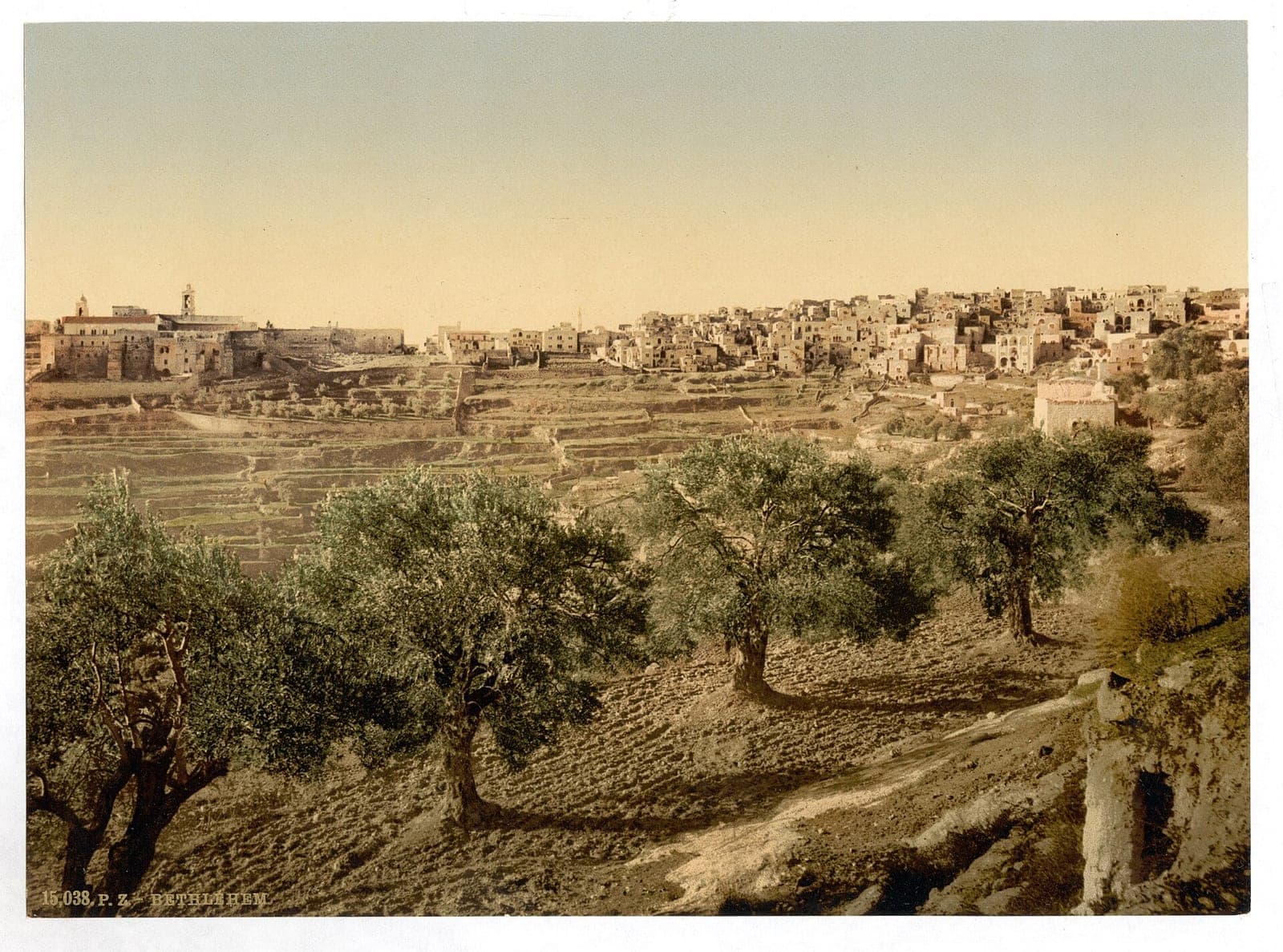
Photo: Photochrom print, Library of Congress Prints and Photographs Division (LCCN 2002724966). License: Public domain in the United States; Library of Congress states no known restrictions on publication. Source. Location: Bethlehem, West Bank; print preserved by the Library of Congress. Resized for the web.
Explore the places of the Bible
See where biblical events happened, why each place matters, and what archaeology helps us understand.
Bethlehem
David's hometown, and the town where Jesus was born.
Get full access with one subscription
Explore the people and places of the Bible. Read summaries of every book, with images and clear explanations covering every chapter. Access all these features and our Bible study tools with one subscription.
See PlansAsk AI about Mark 16:13
Ask a question about this verse and get a clear answer, with Bible references you can read for yourself.
Every Bible book, explained chapter by chapter
Explore summaries of every book of the Bible, with images and easy-to-understand explanations covering every chapter.
Keep studying Mark 16:13
Related Bible verses
Key themes
Related topics
At a Glance — the Book of Mark
- Author
- John Mark
- Written
- Around AD 55-65
- Genre
- Gospel
- Original Audience
- Roman and Gentile Christians
Frequently Asked Questions
Quick, clear answers about this verse
What does Mark 16:13 mean?
Mark 16:13 recounts how two followers of Jesus, after encountering the risen Christ, returned to share their experience with the other disciples. However, their testimony was met with disbelief, illustrating the struggle to accept extraordinary claims even among those closest to Jesus.
What is the significance of disbelief in Mark 16:13?
The disbelief shown by the disciples in Mark 16:13 highlights a common human reaction to extraordinary events. It emphasizes the theme of doubt that can accompany faith, even when faced with compelling evidence.
What does the term 'residue' mean in Mark 16:13?
In Mark 16:13, 'residue' refers to the remaining disciples who had not yet witnessed the risen Christ. This term underscores the idea that not all followers were present to believe the testimony of the two who encountered Jesus.
How does Mark 16:13 relate to the theme of faith?
Mark 16:13 relates to the theme of faith by showing that even those who had been with Jesus struggled to believe in His resurrection. This moment serves as a reminder that faith can be challenged and is often a journey.
Daily Verse — straight to your inbox
A verse and a 2-sentence plain-English explanation, every morning. Free. Unsubscribe anytime.